
Online Senior Communities: What They Are and Why They Matter
A clear look at what online senior communities are, how they function, and the social and wellbeing benefits they offer older adults.
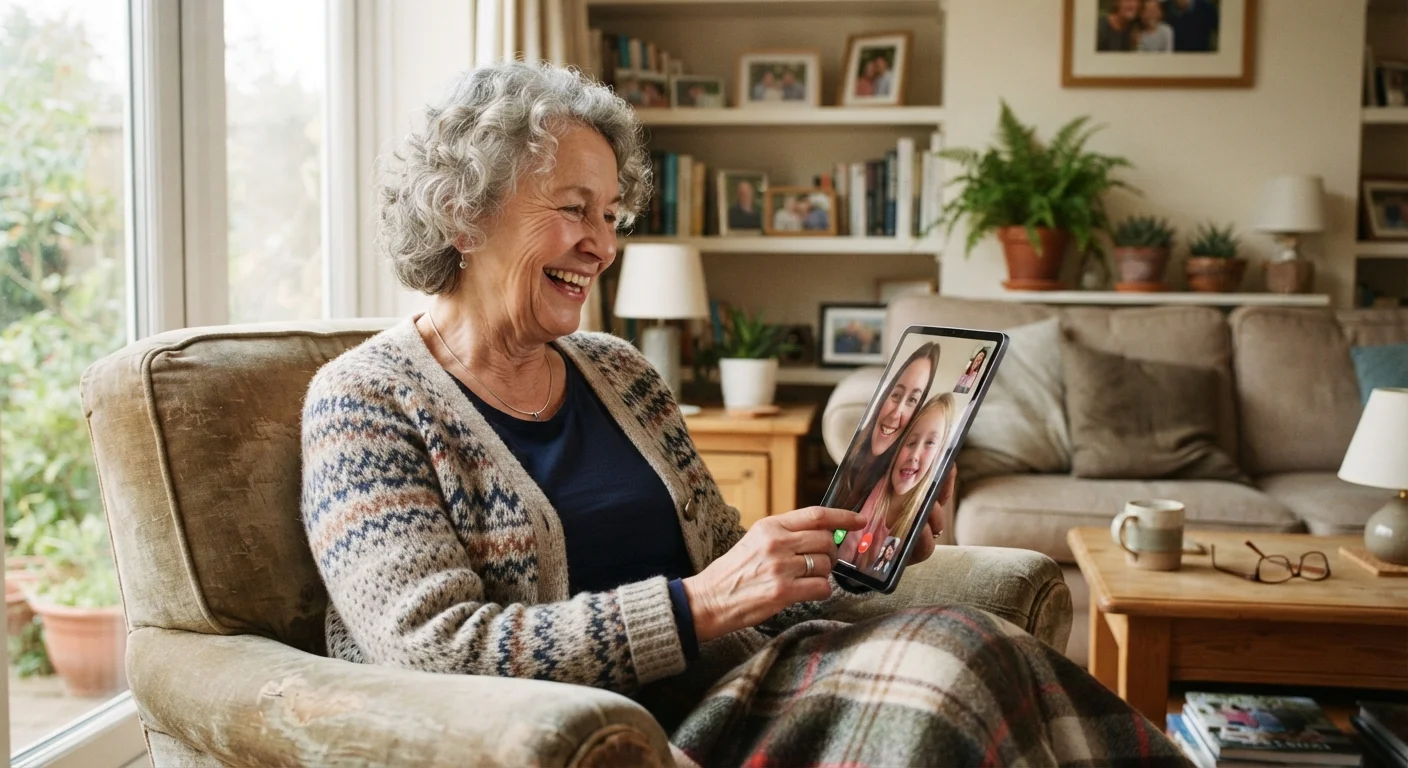
Photo: CoralScripts.com | Explore, Discover, Engage editorial
—— In This Article
Key Takeaways
- Online senior communities range from social media groups to purpose-built platforms designed for older adults.
- Regular social connection through these spaces can support mental wellbeing and reduce feelings of isolation.
- Participation does not require advanced technical skills - many platforms are designed with accessibility in mind.
- Both peer-led and professionally moderated communities exist, each offering different levels of structure and support.
- Online communities complement, rather than replace, in-person senior living and local social networks.
What Online Senior Communities Actually Look Like
The term "online senior community" covers a wide spectrum. At one end sit informal interest groups on mainstream social media - book clubs, gardening circles, travel memory-sharing threads - where older adults happen to be the majority voice. At the other end are purpose-built platforms designed from the ground up with older users in mind: larger fonts, simplified navigation, video call integration, and moderated discussion boards organized around health, hobbies, caregiving, and life transitions.
Between those poles, you'll find dedicated subreddits, email listservs that have run for decades, faith-based digital fellowship groups, and alumni networks that have migrated online. Some communities are entirely peer-led; others have professional facilitators or partner with nonprofit organizations. A broader overview of senior communities in the digital age covers how these formats fit into the wider landscape of belonging and connection for older adults.
75%
U.S. adults 65+ who use the internet
According to Pew Research Center surveys, internet adoption among adults 65 and older has risen substantially over the past decade, though gaps persist across income and education levels.
1 in 3
Adults 45+ reporting frequent loneliness
AARP research has found that a significant proportion of midlife and older adults experience loneliness, underscoring the potential value of accessible community spaces.
58%
Older adults using social media to connect with family or friends
Pew Research Center data indicates that a majority of older internet users engage with social platforms primarily for social connection rather than news or entertainment.
Why These Spaces Matter for Wellbeing
Social isolation among older adults is a serious public health concern. The U.S. Centers for Disease Control and Prevention and other bodies have noted that prolonged loneliness is associated with a range of adverse health outcomes. For adults who live alone, have limited mobility, or reside in areas with few nearby social resources, online communities can represent a meaningful bridge to regular human connection.
The benefits go beyond simply feeling less alone. Community participation - sharing expertise, offering encouragement, or just trading humor with peers - provides a sense of purpose and reciprocity. What the research says about community and healthy ageing explores the evidence base for these connections in depth. Online communities also offer a low-pressure environment to reconnect with identity and interests that may have taken a back seat during working years.
“Social connection is not a luxury for older adults - it is a health necessity. The communities we participate in, whether physical or digital, shape our sense of self and our resilience over time.”
— Dr. Julianne Holt-Lunstad, Professor of Psychology and Neuroscience, known for research on social connection and health outcomes
Formats, Features, and Finding the Right Fit
Different community formats serve different needs. Asynchronous forums - where you post and respond on your own schedule - suit people managing health appointments or caregiving responsibilities. Live video groups create a closer approximation of in-person gathering and work well for those who miss the spontaneity of conversation. Hybrid models blend both, allowing members to dip in and out as life allows.
Accessibility features matter enormously. Screen-reader compatibility, adjustable text sizes, and simple sign-in processes are not niceties - they are prerequisites for genuine inclusion. Digital inclusion for older adults examines the barriers that still prevent many seniors from participating fully, and what communities and policymakers can do to close that gap.
Start Small and Stay Curious
You don't need to commit to multiple communities at once. Try lurking in a forum or attending a single video session before deciding if the community is right for you. Most well-run online groups welcome newcomers gradually and don't expect immediate participation.
It's also worth noting that online communities are not a replacement for physical ones. For those weighing residential options, our article on senior living community types provides a grounded comparison of independent, assisted, and continuing care models.
Getting Started Without Feeling Overwhelmed
For many older adults, the idea of joining an online community feels more daunting than it needs to. A useful starting point is identifying one specific interest or need - a health condition you want peer support for, a hobby you'd like to share, or a life stage like retirement or widowhood - and searching for communities organized around that focus rather than trying to find a single all-purpose space.
Local resources are often underutilized. Public libraries, senior centers, and organizations like your local Area Agency on Aging frequently offer free digital literacy classes and can recommend vetted online groups. Finding your community after 60 offers a practical, step-by-step guide to navigating both online forums and local groups - a sensible companion read for anyone just beginning this search.
If you're interested in contributing beyond participation, volunteer and peer mentoring programmes within senior communities describe meaningful ways seniors give back - including through digital mentoring roles within the very communities they join.
Frequently Asked Questions

People & Communities Editorial Team
People & Communities Editorial Team is the collective byline for our editorial team and contributor network. Articles published under this byline or an editorial pen name are researched, written, and reviewed according to our editorial standards for clarity, consistency, and independence before publication.
View author profile