
Finding Your Community After 60: A Practical Starting Point
New to seeking out senior community spaces? This guide walks through online forums, local groups, and social clubs to help you find your footing.
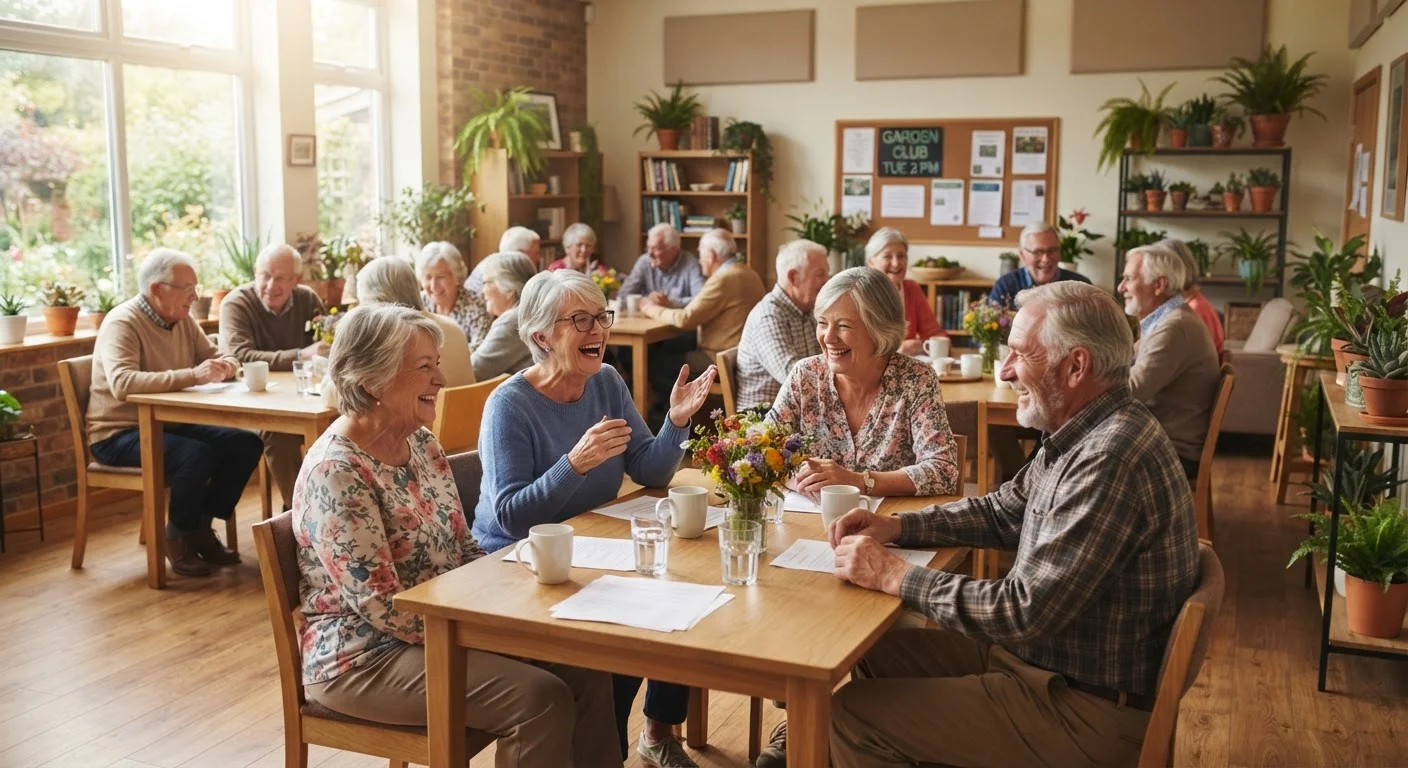
Photo: CoralScripts.com | Explore, Discover, Engage editorial
—— In This Article
Key Takeaways
- Social connection after 60 supports both emotional wellbeing and everyday quality of life.
- Both online forums and local in-person groups offer distinct, complementary benefits.
- Starting small - one group, one meeting - is a sustainable and effective approach.
- It's normal for a community to take time to feel genuinely welcoming and familiar.
- Volunteering and mentoring roles can deepen your sense of belonging significantly.
Why Community Matters More Than Ever After 60
The years after 60 bring genuine transitions - retirement, children leaving, the loss of longtime colleagues or friends, sometimes a move to a new place. These changes can quietly erode the social fabric that many of us took for granted during earlier decades. That erosion matters: sustained social isolation has been associated with poorer health outcomes in older adults, according to research cited by the National Institute on Aging, though individual circumstances always vary.
The good news is that finding meaningful connection is genuinely possible at any age - and many people find their social lives richer and more intentional in later decades than they ever were in their 40s or 50s. The difference is usually that it takes a little more deliberate effort. Community doesn't just happen anymore; you have to choose it.
Reframe What Community Can Look Like
Community doesn't have to mean a formal group with regular meetings. Consistent interaction with a handful of neighbors, a weekly online check-in with people who share your interests, or a standing commitment to a volunteer role can all provide the same core benefits - a sense of being known and mattering to others. Start with what feels sustainable rather than what looks impressive on paper.
Types of Communities Worth Exploring
The landscape of senior community options is broader than most people realize. Understanding the main categories helps you decide where to invest your time first.
Senior center
A community facility, often publicly funded, that offers social programs, classes, meals, and services specifically for older adults in a local area.
Online forum
A digital platform where people post messages, ask questions, and have conversations in organized topic threads - accessible from any device with internet access.
Lifelong learning institute
An educational program, often affiliated with a college or university, that offers non-credit courses and social events for older adults with no grades or academic pressure.
Area Agency on Aging
A federally designated local organization that connects older adults and caregivers to community services, programs, and support resources in their region.
Co-housing
A residential arrangement where individuals or families live in private homes within a shared community, intentionally collaborating on common spaces and activities.
Local In-Person Groups
These include senior centers, faith-based social groups, community education classes, hobby clubs, and volunteer organizations. Many public libraries run free programs specifically for older adults. In-person groups are particularly valuable for those who thrive on face-to-face interaction and want to build relationships with people in their immediate geographic area.
Online Forums and Social Platforms
Online senior communities have grown substantially, offering spaces where older adults discuss everything from health management to travel planning to creative hobbies. They remove geographic barriers entirely, which is especially meaningful for those in rural areas or with mobility limitations.
Hybrid and Structured Communities
Retirement communities, co-housing arrangements, and lifelong learning institutes (often affiliated with universities) offer built-in social infrastructure. These tend to require a larger commitment but also deliver deeper, ongoing connection. Our broader overview of senior communities in the digital age explores the full spectrum in more detail.
Getting Started: Your First Practical Steps
The most important thing to understand about finding community is that starting small works. One group, one visit, one post - that's enough for week one. Here's a straightforward way to begin:
- Identify what genuinely interests you. Community built around shared activity tends to feel more natural than community built around age alone. Think about hobbies, causes, or topics you care about.
- Search your local Area Agency on Aging. The federal Eldercare Locator (eldercare.acl.gov) can connect you to area agencies that list local programs and groups - a practical, vetted starting point.
- Try one online forum. If you're new to this, our guide on joining an online senior forum for the first time walks through the process step by step.
- Give it three tries before deciding. A first visit or first interaction rarely reflects what a group really feels like over time. Commit to showing up at least three times before drawing conclusions.
For those who find social situations stressful, the approaches described in building genuine connections without pressure translate well beyond professional settings.
What to Expect When You First Join
Newcomers to any community often feel like outsiders at first - this is normal, not a signal that you've chosen the wrong group. Existing members have shared history and inside references you haven't accumulated yet. That gap closes with time and consistent participation.
Give Yourself Permission to Lurk First
In online communities especially, there's no obligation to post immediately. Many people spend their first few weeks simply reading conversations to understand the tone, the norms, and the kinds of people involved. This 'lurking' phase is a legitimate and often wise way to assess whether a community is genuinely a good fit before investing more of yourself.
One practical way to accelerate your sense of belonging is to take on a small role: helping set up for a meeting, moderating a forum thread, or welcoming other new members. Volunteering and peer mentoring within senior communities are well-documented pathways to deeper connection, giving you purpose alongside companionship.
It's also worth noting that not every community will be the right fit - and that's fine. If after a sustained effort a group consistently feels unwelcoming or misaligned with your values, it's reasonable to look elsewhere. Fit matters.
Balancing Online and In-Person Connection
Many people find that a combination of online and in-person community serves them better than either alone. Online groups offer flexibility, breadth, and accessibility; in-person groups offer physical presence, spontaneity, and shared local experience. The two can reinforce each other rather than compete.
If you're unsure how to think about that balance for your own life, comparing online and in-person senior groups offers a more detailed look at the trade-offs. And if you're considering a more structured residential community down the line, evaluating a senior living community before committing provides a thorough checklist for that decision.
Social connection also intersects meaningfully with broader wellbeing. Building community is often one of the most impactful elements of a holistic wellness routine - one that sustains you physically, emotionally, and mentally.
The search for community after 60 isn't about replacing what you had - it's about building something new, on your own terms, with the clarity that comes from knowing yourself better than you ever did before.
Frequently Asked Questions

People & Communities Editorial Team
People & Communities Editorial Team is the collective byline for our editorial team and contributor network. Articles published under this byline or an editorial pen name are researched, written, and reviewed according to our editorial standards for clarity, consistency, and independence before publication.
View author profile