
The Landscape of Senior Living Communities: Independent, Assisted, and Beyond
Understand the key types of senior living arrangements—from independent living to continuing care—and what distinguishes each model.
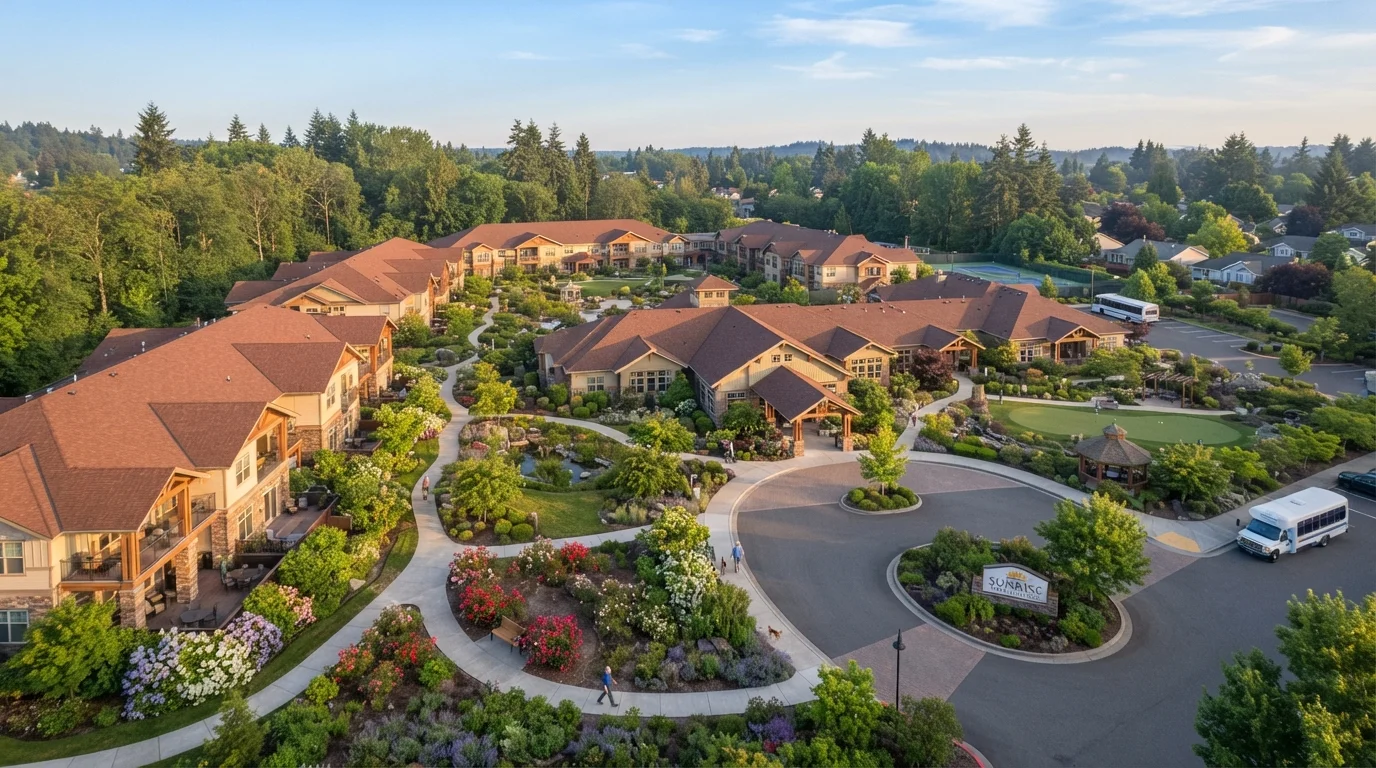
Photo: CoralScripts.com | Explore, Discover, Engage editorial
—— In This Article
A Spectrum, Not a Single Destination
When most people picture "senior living," they imagine a single type of facility. In reality, senior living encompasses a broad continuum of arrangements - each designed for a different stage of life, level of independence, and set of personal priorities. Understanding that spectrum is the first step toward making a well-informed decision, whether you're planning for yourself or supporting a loved one.
The major categories include Independent Living, Assisted Living, Memory Care, Skilled Nursing Facilities, and Continuing Care Retirement Communities (CCRCs). These aren't rigid boxes; they sit along a continuum of care and community. For many older adults, the question isn't just about health needs - it's also about belonging, purpose, and connection.
For those who prefer connection without relocation, online senior communities offer an increasingly meaningful complement or alternative to physical settings.
The Major Types Defined
Each model serves a distinct profile of residents. Here's what distinguishes them:
- Independent Living: Designed for adults - typically 55 or older - who are largely self-sufficient but want a maintenance-free lifestyle with social amenities. Think apartments or cottages with communal dining, fitness centers, and organized activities. Medical care is not provided on-site as a core service.
- Assisted Living: Bridges the gap between independent living and nursing home care. Residents have their own apartments but receive help with activities of daily living (ADLs) such as bathing, dressing, and medication management. Staff are available around the clock.
- Memory Care: A specialized environment - often a secure wing within a larger community - tailored to individuals living with Alzheimer's disease or other forms of dementia. Staffing ratios, physical design, and programming are all adapted to cognitive needs.
- Skilled Nursing Facilities (SNFs): Provide the highest level of residential care short of a hospital. Registered nurses and therapists deliver medically complex care, including post-surgical rehabilitation and management of chronic conditions.
- Continuing Care Retirement Communities (CCRCs): Offer multiple levels of care on one campus, allowing residents to transition between independent living, assisted living, and skilled nursing without relocating. Entry often requires a significant upfront fee alongside monthly costs.
Activities of Daily Living (ADLs)
Fundamental self-care tasks such as bathing, dressing, eating, and mobility. The degree to which a person needs help with ADLs is a primary factor in determining the appropriate level of care.
Continuing Care Retirement Community (CCRC)
A senior living campus that offers independent, assisted, and skilled nursing care in one location. Residents can move between care levels as their needs change without leaving the community.
Memory Care
A specialized residential setting for people living with dementia or Alzheimer's disease. These environments feature secure layouts, trained staff, and programming designed around cognitive support.
Skilled Nursing Facility (SNF)
A licensed residential care facility providing round-the-clock nursing and rehabilitative services. SNFs serve individuals recovering from surgery, illness, or those managing complex chronic conditions.
If you're weighing a community move against staying home, the comparison between retirement villages and aging in place is worth exploring carefully.
Choosing the Right Fit
Matching a person to the right setting involves more than a checklist of medical needs. Culture, location, social programming, and financial structure all matter deeply. A community might look ideal on paper but feel isolating in practice - or vice versa.
Understanding How Costs Are Covered
Senior living costs vary widely by community type, location, and care level. Independent living is typically self-funded, while assisted living and memory care may be partially offset by long-term care insurance policies. Medicare generally covers only short-term skilled nursing facility stays under specific qualifying conditions, and Medicaid coverage for long-term care depends heavily on individual state programs and financial eligibility. Consult a licensed financial adviser and an elder law attorney to understand your options.
Financial structures vary significantly across community types. Independent living is generally paid out-of-pocket or through retirement income. Assisted living and memory care may be partially covered by long-term care insurance. Medicare typically covers only short-term skilled nursing stays under specific conditions; Medicaid eligibility varies by state. Always consult a licensed financial adviser and an elder law attorney before committing to any arrangement.
For a structured approach to assessing any specific community, the practical evaluation guide for senior living communities offers a thorough framework. And for a broader view of how physical and digital communities intersect for older adults today, see the complete overview of senior communities in the digital age.
This article is intended for general informational purposes only and does not constitute financial, legal, or medical advice. Readers are encouraged to consult qualified professionals for guidance specific to their circumstances.

People & Communities Editorial Team
People & Communities Editorial Team is the collective byline for our editorial team and contributor network. Articles published under this byline or an editorial pen name are researched, written, and reviewed according to our editorial standards for clarity, consistency, and independence before publication.
View author profile