
Caring for a Car Battery: What Shortens Its Life and What Extends It
Short trips, extreme temperatures, and parasitic drain all affect battery health. Learn what genuinely protects your car's battery.
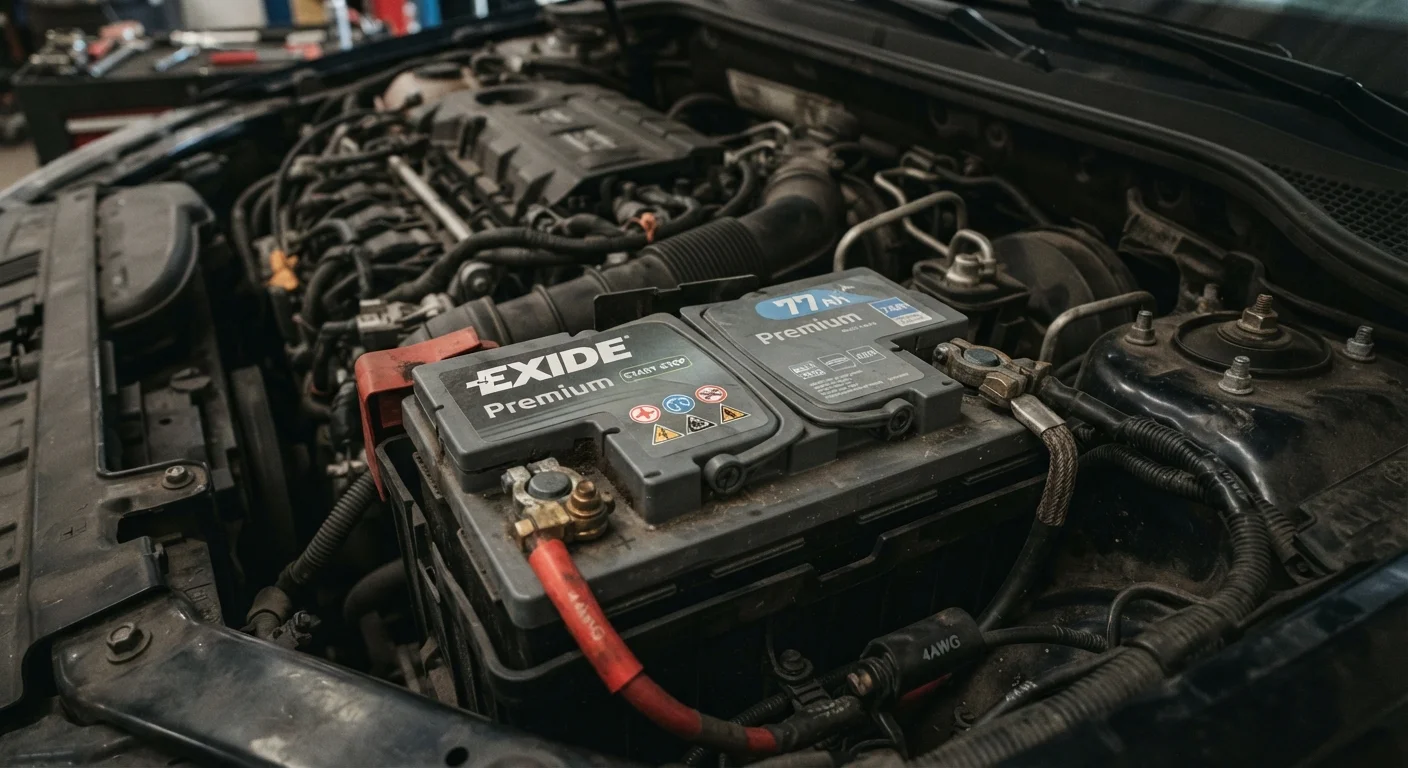
Photo: CoralScripts.com | Explore, Discover, Engage editorial
—— In This Article
Key Takeaways
- Short trips prevent the alternator from fully recharging the battery, accelerating sulfation over time.
- Extreme heat degrades battery chemistry faster than cold weather, though cold increases the load on the battery.
- Parasitic drain from always-on electronics can silently kill a battery that sits unused for days.
- A battery load test - not just a voltage check - reveals true health and remaining capacity.
- Most lead-acid car batteries have a realistic service life of three to five years under normal conditions.
Why Car Batteries Fail Sooner Than They Should
Most drivers replace their car battery reactively - stranded in a parking lot or facing a slow crank on a cold morning. Understanding why batteries degrade ahead of schedule turns that reactive pattern into a manageable maintenance task. It also connects directly to broader preventive maintenance thinking that reduces the cost of ownership over time.
The standard 12-volt lead-acid battery found in most passenger vehicles stores and releases energy through a chemical reaction between lead plates and sulfuric acid electrolyte. Several factors disrupt that chemistry long before the rated service life is reached.
3-5 years
Typical lead-acid battery service life
Industry service data consistently shows most conventional lead-acid batteries reach end-of-life between three and five years, with heat and discharge patterns as the primary variables.
~33%
Battery failures occurring in summer heat
Battery Council International data has historically shown that a significant share of battery failures are attributable to summer heat damage rather than winter cold, which is a common misconception.
The Practices That Shorten Battery Life
Before covering what to do right, it's worth naming the specific habits and conditions that inflict the most damage. Awareness is the first correction.
- Frequent short trips: Trips under five miles rarely give the alternator enough running time to return the energy used during engine start. Over weeks and months, this repeated partial discharge causes lead sulfate crystals to harden on the battery plates - a process called sulfation - which permanently reduces capacity.
- Prolonged vehicle storage: A battery left in a parked car loses charge through self-discharge and any small parasitic loads (clocks, alarm systems, onboard computers). A deeply discharged battery sulfates quickly and may not recover fully even after recharging.
- Heat exposure: Underhood temperatures in summer can exceed 200°F in some configurations. Sustained heat accelerates electrolyte evaporation and internal corrosion, which is why batteries often fail in late summer or early fall rather than mid-winter.
- Vibration: Loose battery hold-downs allow the battery to vibrate against the tray, eventually cracking internal plates and causing short circuits within the cells.
Best Practices That Genuinely Extend Battery Life
Use a maintenance charger (trickle charger) on any vehicle stored for more than two weeks.
Even small parasitic loads drain a stationary battery below the threshold where sulfation begins. A maintenance charger holds the battery at full charge without overcharging, preserving plate condition and electrolyte level.
Periodically drive the vehicle for at least 20-30 continuous minutes to allow full alternator recharge.
Short urban trips accumulate charge deficits that the alternator cannot recover in stop-and-go driving. An uninterrupted highway run gives the charging system sufficient time to restore capacity and reverse minor early-stage sulfation.
Secure the battery firmly in its tray and inspect the hold-down hardware at each oil change.
Vibration fractures internal plate grids, creating microscopic short circuits between cells that reduce capacity and generate excess heat. A properly torqued hold-down bracket is a two-minute check that prevents irreversible mechanical damage.
Have the battery load-tested annually after the third year of service.
Battery degradation is not linear and is not visible externally. A load test catches capacity loss before it results in a no-start event, giving drivers time to plan a replacement rather than scrambling in an emergency.
Park in a garage or shaded area during extreme heat when possible.
Heat is the leading cause of battery failure in warm climates. Reducing underhood thermal soak by even 20-30°F during peak summer heat extends the electrolyte's useful life and slows internal corrosion of lead components.
For vehicles that sit for extended periods, consider how battery condition fits into a seasonal maintenance routine - particularly before and after winter storage.
Testing, Monitoring, and Knowing When to Replace
A multimeter showing 12.6 volts at rest tells you the battery is charged - it does not tell you whether it can deliver the cold cranking amps (CCA) needed to start the engine under load. A proper load test, available at most service centers, applies a controlled current draw and measures how well voltage holds up. This is the meaningful diagnostic.
Schedule Load Tests After Year Three
Most batteries give no visible warning before failure. Scheduling an annual load test starting in the third year of service catches deterioration early. Many auto parts retailers and service shops offer this test at no cost. Combine it with a visual inspection of terminal condition and electrolyte level if the battery has removable caps.
Terminals showing white or blue-green corrosion should be cleaned with a baking soda and water solution and a wire brush before corrosion migrates to cable ends or the battery tray. Terminal corrosion increases resistance and reduces charge transfer efficiency. For a fuller picture of how battery condition affects your vehicle's electronics, see our article on battery health and the electrical systems that depend on it.
The Bigger Maintenance Picture
A battery doesn't operate in isolation. The alternator must be producing voltage in the correct range (typically 13.5-14.7 volts at idle) to charge it properly. An overcharging alternator boils electrolyte; an undercharging one leaves the battery in a chronic partial state of charge. Either condition shortens battery life regardless of how well you follow other practices.
Ignoring battery health is one of the smaller neglected issues that compound - as explored in our piece on the hidden costs of deferred car maintenance. A failed battery can strand a vehicle, stress the starter motor, and in some cases affect sensitive onboard modules that require stable voltage during operation. For a complete view of how maintenance needs shift as a vehicle ages, maintenance priorities evolve with mileage in ways that include the charging system. Treating the battery as part of a system - rather than a standalone consumable - is the mindset that delivers the most reliable results.

Cars & Driving Editorial Team
Cars & Driving Editorial Team is the collective byline for our editorial team and contributor network. Articles published under this byline or an editorial pen name are researched, written, and reviewed according to our editorial standards for clarity, consistency, and independence before publication.
View author profile