
The Hidden Costs of Deferred Car Maintenance
Putting off minor repairs rarely saves money. A clear look at how small neglected issues compound into expensive failures over time.
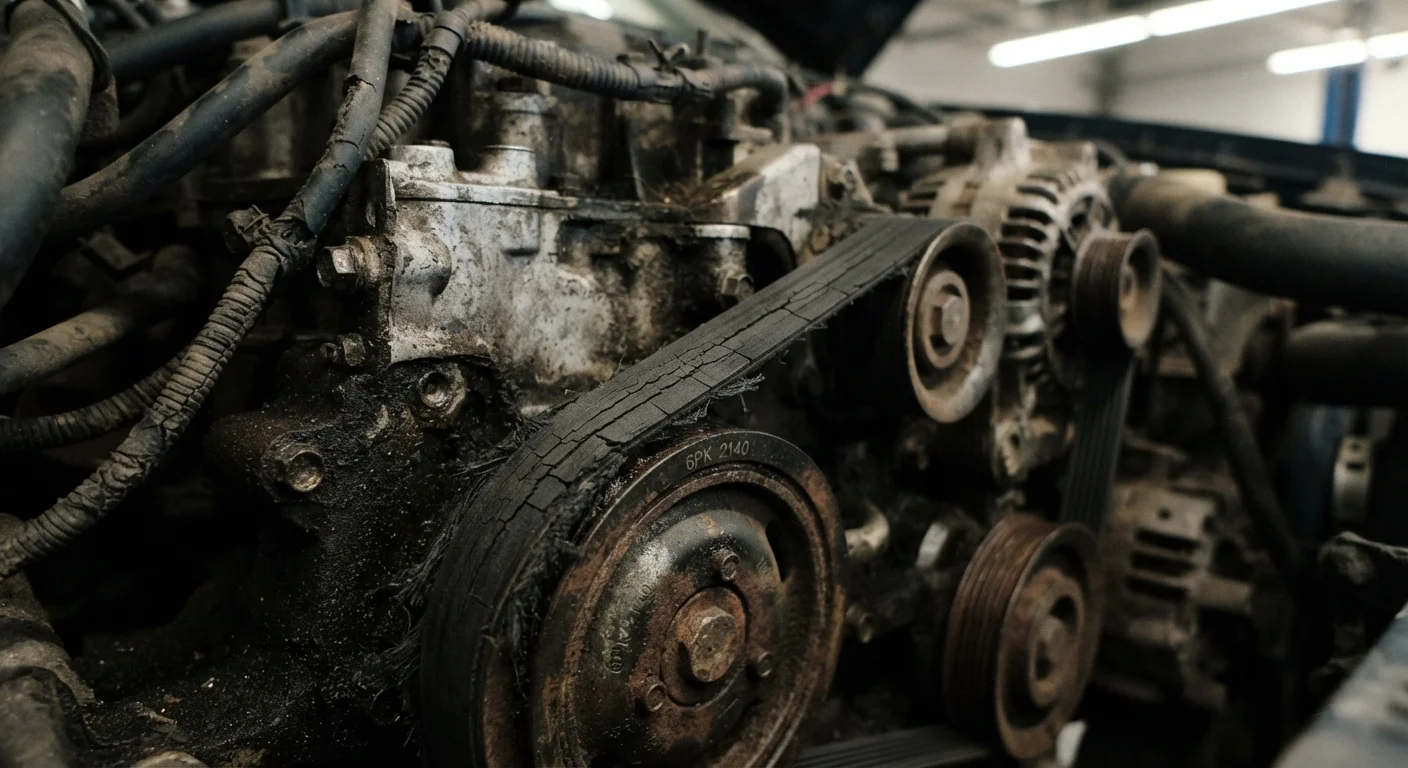
Photo: CoralScripts.com | Explore, Discover, Engage editorial
—— In This Article
Key Takeaways
- Deferred maintenance rarely saves money - minor issues compound into major repairs over time.
- Skipping routine service can void manufacturer warranties and reduce resale value significantly.
- Some short-term deferrals are defensible, but they require informed judgment, not avoidance.
- Tracking service history helps mechanics diagnose problems faster and more accurately.
- Safety-critical systems like brakes and tires should never be deferred regardless of cost.
Why Deferred Maintenance Feels Reasonable - Until It Isn't
Every owner has faced the same mental calculation: the car feels fine, the repair isn't urgent, and the bill can wait until next month. Deferred maintenance - intentionally postponing scheduled or recommended service - is one of the most common financial miscalculations in vehicle ownership. The reasoning is understandable. The consequences, however, are predictable.
Modern vehicles mask deterioration well. Worn coolant, degraded transmission fluid, and a fraying drive belt rarely produce dramatic symptoms before they cause failures. By the time a warning light illuminates or a noise becomes undeniable, underlying damage has often already occurred. Preventive maintenance works precisely because it addresses wear before it becomes failure - deferral inverts that logic.
The Real Costs That Accumulate in the Background
The most damaging costs of deferred maintenance are the ones that don't appear on any single repair invoice. They build silently across several categories:
- Cascading component failure: A neglected timing belt doesn't just fail on its own - in interference engines, it can destroy pistons and valves in the same event. A $400 belt service becomes a $4,000+ engine repair.
- Accelerated wear on adjacent parts: Dirty oil increases friction across bearings, rings, and cylinder walls. Low coolant allows localized overheating that warps cylinder heads. One deferred service accelerates the wear clock on several surrounding systems.
- Resale value erosion: Buyers and dealerships assess a vehicle's service history carefully. An incomplete record signals risk, which lowers offers. Complete service documentation is a tangible asset, not just administrative tidiness.
- Warranty exposure: Many manufacturer and extended warranties contain clauses requiring adherence to specified maintenance intervals. Documented deferrals can void coverage on otherwise covered repairs.
Pros and Cons of Deferring Maintenance
Deferral is not always reckless - context matters. The framework below distinguishes between situations where short-term delay carries manageable risk and those where it doesn't.
It's worth acknowledging that some maintenance items carry more flexible windows than others. Cabin air filters, for example, affect interior air quality and HVAC efficiency but pose no immediate mechanical risk if replaced a few weeks late. The same cannot be said of brake pads, tires below minimum tread depth, or a coolant system running low - these are safety-critical and should be treated differently. For a clearer picture of which maintenance timelines are genuinely rigid versus which have been exaggerated, see common maintenance myths that still circulate among owners.
Making Smarter Decisions Under Budget Pressure
Budget constraints are real, and dismissing them isn't useful. A practical approach is to triage maintenance items by risk category rather than treating all deferrals equally.
Never defer: Brakes, tires, steering/suspension components, and any item flagged as safety-critical by your mechanic or manufacturer. These directly govern vehicle control.
Defer with caution and a firm deadline: Fluid exchanges (coolant, transmission, brake fluid), timing belt/chain service, and spark plugs. These have tolerance windows but deteriorate exponentially past them.
Lowest immediate risk: Cabin filters, wiper blades, cosmetic items. These affect comfort and convenience, not mechanical integrity.
Maintaining a written log of what has been deferred - and when - keeps you accountable and gives any mechanic accurate diagnostic context. The compounding nature of maintenance neglect closely mirrors how deferred costs erode value in other financial contexts; the principle that small, ignored charges accumulate into significant losses applies whether you're managing a portfolio or a vehicle.

Cars & Driving Editorial Team
Cars & Driving Editorial Team is the collective byline for our editorial team and contributor network. Articles published under this byline or an editorial pen name are researched, written, and reviewed according to our editorial standards for clarity, consistency, and independence before publication.
View author profile