
Urban Hiking in American Cities: Parks, Trails, and Green Corridors Inside City Limits
You don't need to leave the city to find serious trails. Discover how major US metros integrate natural landscapes into their urban fabric.
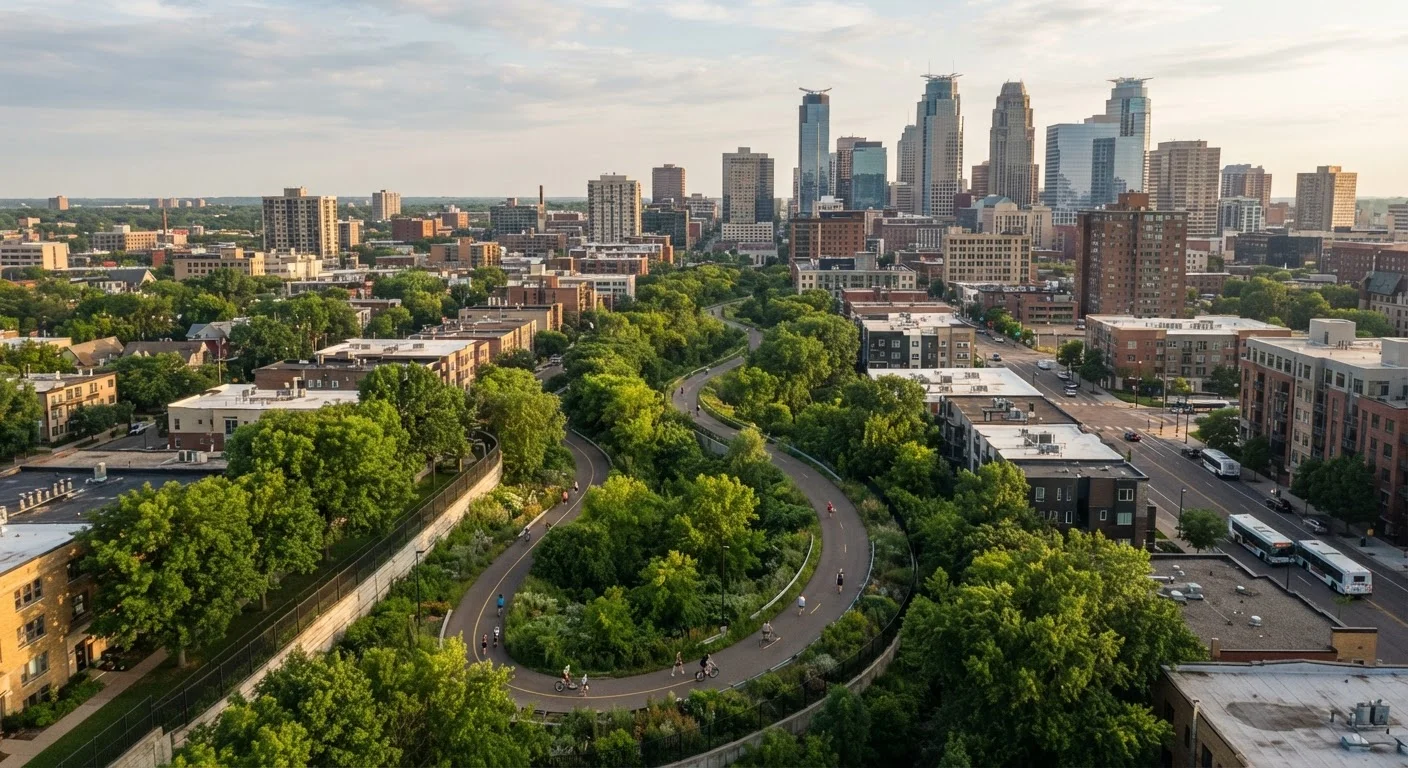
Photo: CoralScripts.com | Explore, Discover, Engage editorial
—— In This Article
Key Takeaways
- Many major US cities contain substantial trail networks accessible without leaving city limits.
- Urban green corridors vary widely in terrain, from flat riverside paths to steep forested ridges.
- No special permits are required for most urban trails, though some preserves have timed-entry systems.
- Urban hiking pairs well with broader city travel itineraries, maximizing time in a destination.
- Trail conditions, wildlife activity, and seasonal access vary significantly by region and city.
Why Cities Are Richer in Trails Than Most Travelers Realize
The instinct to escape the city for nature is deeply ingrained in American travel culture — but it misses a substantial category of experience. Dozens of major US metros contain trail systems that would be noteworthy anywhere, not merely for urban environments. San Francisco's Lands End trail delivers dramatic Pacific Ocean views and cypress forest inside city limits. Pittsburgh's Frick Park — the largest municipal park in any US city — offers more than 150 acres of ravines and forested trails five minutes from residential neighborhoods. Portland, Oregon, maintains Forest Park, one of the largest urban forests in the country, with over 80 miles of trails on the city's west hills.
These aren't compromise hikes — they're genuine wilderness pockets shaped by geography that cities happened to grow around. The result is an underutilized travel resource that rewards travelers willing to look beyond the conventional city-to-trailhead road trip. For curious domestic explorers, urban trails offer a way to layer nature into city itineraries without losing a full day to logistics. Compare this with what each national park region actually offers to understand where urban hiking fits in the broader landscape of American outdoor travel.
80+
Miles of trails in Portland's Forest Park
Forest Park is consistently cited as one of the largest urban forest reserves in the contiguous United States, entirely within Portland city limits.
4,000+
Acres in Griffith Park, Los Angeles
Griffith Park's acreage makes it among the largest municipally operated urban parks in the US, according to City of Los Angeles park data.
~1,800
Acres managed by Rock Creek Park, D.C.
Rock Creek Park is administered by the National Park Service and covers terrain stretching from the Potomac River to the Maryland border.
What Shapes an Urban Trail System
Not all city trail networks are created equal. Several factors determine what a given metro actually offers hikers:
- Topography: Cities built on hills, ridgelines, or coastal bluffs — Seattle, San Francisco, Honolulu — tend to have more dramatic trail terrain. Flat cities like Chicago or Houston compensate with extensive greenway corridors along rivers and lakefronts.
- Land preservation history: Cities that acquired large park parcels in the late 19th and early 20th centuries (often influenced by the City Beautiful movement or the work of landscape architects like Frederick Law Olmsted) tend to have the most substantial trail acreage today.
- Regional ecology: The ecosystem surrounding a city defines trail character. Denver's urban open space edges against shortgrass prairie and Front Range foothills. Miami's urban green corridors pass through subtropical hammock forest and coastal mangroves.
- Transit connectivity: Some of the most usable urban trail systems are those reachable by subway, light rail, or bus — reducing car dependency and making spontaneous hiking feasible within a broader travel itinerary.
Understanding these factors helps travelers set realistic expectations and find the right fit for their itinerary. Travel planning resources can help structure city visits around outdoor access alongside other priorities.
Check the Managing Agency, Not Just the City
Urban parks are managed by a patchwork of agencies — city park departments, regional open space authorities, state parks divisions, and in some cases the National Park Service. Each has different rules around fees, dogs, bikes, and fire. Confirming the managing agency before your visit saves confusion at the trailhead.
Notable Urban Trail Experiences Across the Country
A few standout examples illustrate the range of what US cities offer:
- Griffith Park, Los Angeles
- At over 4,000 acres, this is one of the largest urban parks in the country. Trails range from gentle fire roads to the challenging summit push to Mount Hollywood, with panoramic basin views as reward.
- Rock Creek Park, Washington D.C.
- A federally managed park slicing through the capital, offering forested creek-side trails that feel genuinely removed from the surrounding urban density. Managed by the National Park Service, it has distinct rules and maintenance standards compared to city parks.
- The Emerald Necklace, Boston
- An Olmsted-designed chain of parks and parkways connecting multiple Boston neighborhoods, integrating wetlands, meadows, and arboretum landscapes into a walkable green network.
- Frenchman's Bar and Columbia River trails, Portland, Oregon
- Beyond the famous Forest Park, Portland's metro area includes riverside and wetland trails along the Columbia — distinct in character from the forested west hills but equally accessible.
Each city rewards a different kind of curiosity. Northeast road trippers will find that Boston, New York's Inwood Hill Park, and Philadelphia's Wissahickon Valley all offer serious trail access woven into dense urban environments.
Planning an Urban Hike: Practical Considerations
Urban trails are generally more accessible than backcountry routes, but they still require preparation. A few practical points worth noting:
- Trail apps and offline maps: Cell coverage is usually reliable in urban parks, but signal can drop in valleys and dense tree canopy. Downloading trail maps before departure is standard practice.
- Timed entry and reservation systems: Some high-demand urban preserves — Muir Woods National Monument near San Francisco being a well-known example — now require advance reservations. Check the managing agency's website before assuming walk-up access.
- Wildlife awareness: Urban trails are not wildlife-free. Mountain lions are present in Los Angeles's urban park system. Alligators are a real consideration in some Florida urban wetlands. Coyotes are common in most major metros. Standard wildlife awareness protocols apply.
- Seasonality: Urban trails are affected by the same seasonal dynamics as any natural landscape. Summer heat in Phoenix or Dallas can make midday hiking genuinely hazardous. Winter ice can make elevated trails treacherous in northern cities. Reviewing seasonal landscape planning guidance helps travelers time visits intelligently.
The overlap between urban hiking and broader well-being research is worth noting too. Research on nature exposure and well-being offers a balanced look at what science actually supports regarding time spent in green spaces — a useful complement to the experiential appeal of urban trails.
Urban Trails Aren't Always Well-Signed
Unlike many national park systems, urban trail networks can have inconsistent wayfinding — especially in older municipal parks or informal greenway connections. Downloading a dedicated trail app with GPS functionality before your hike is strongly recommended, even in familiar-feeling city environments.
Frequently Asked Questions

Travel & Places Editorial Team
Travel & Places Editorial Team is the collective byline for our editorial team and contributor network. Articles published under this byline or an editorial pen name are researched, written, and reviewed according to our editorial standards for clarity, consistency, and independence before publication.
View author profile