
Planning a Trip Around US Seasonal Landscapes
Wildflower blooms, fall foliage, desert monsoon season—how to time domestic travel around America's most dramatic natural events.
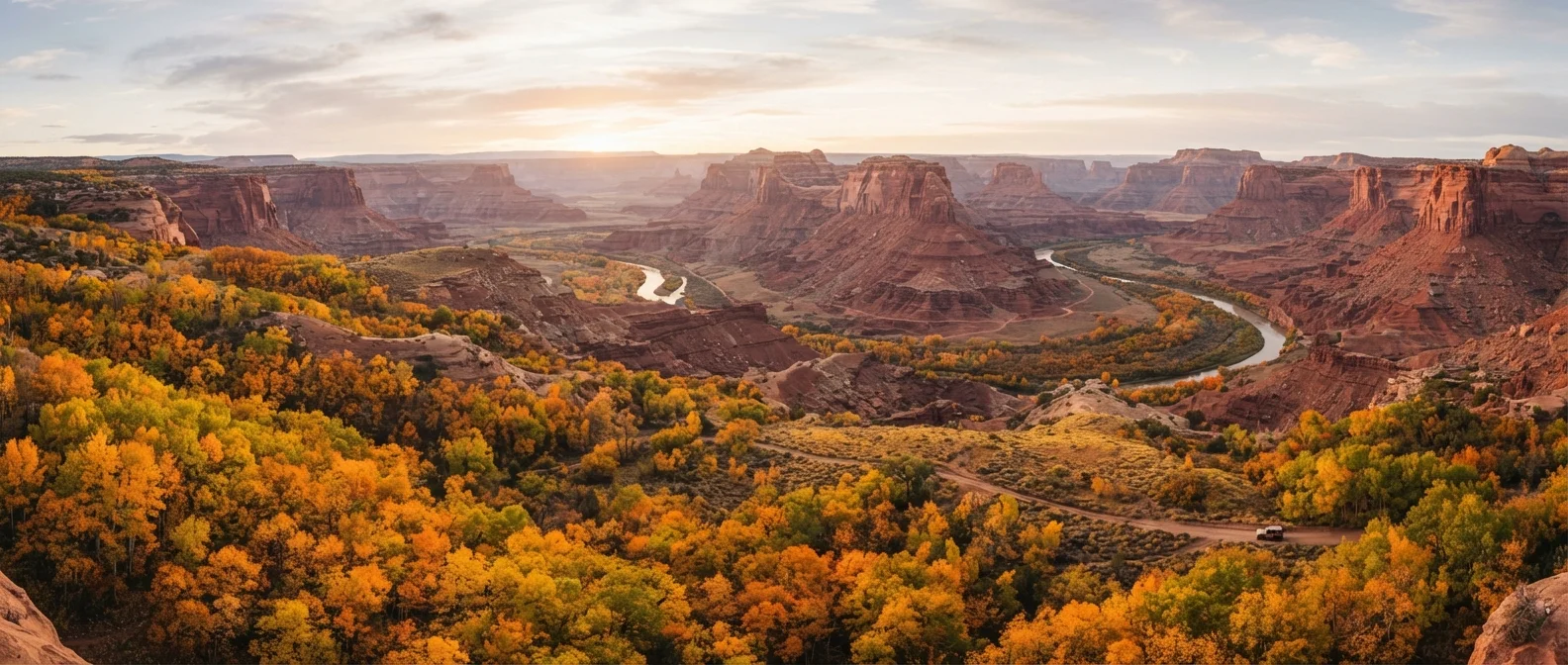
Photo: CoralScripts.com | Explore, Discover, Engage editorial
—— In This Article
Key Takeaways
- Seasonal timing determines the quality of many US natural landscapes more than any other single factor.
- Peak windows for wildflowers, foliage, and wildlife events often last only two to four weeks.
- Weather variability means building flexibility into your itinerary is essential, not optional.
- Official land-management agency websites are the most reliable source for real-time conditions.
- Shoulder-season travel around natural events can reduce crowds while preserving the experience.
Why Seasonal Timing Changes Everything
The US contains more distinct ecological zones than most travelers account for, and many of its most dramatic landscapes are fundamentally time-dependent. The same meadow in Colorado's San Juan Mountains looks entirely different in mid-July — carpeted with wildflowers at peak alpine bloom — than it does in late August, when most color has faded and early frost has already arrived above treeline. The same principle applies across regions: fall foliage in the Southern Appalachians peaks roughly two to three weeks later than in Vermont; the Great Plains offer remarkable prairie wildflower displays in early summer that most visitors miss entirely by targeting only the coasts. For a deeper look at what specific US regions offer, America's national park regions is a useful companion resource.
Timing travel around natural phenomena also tends to align well with shoulder-season travel strategies. Events like early spring desert blooms or late-October foliage in the mid-Atlantic states often occur just outside peak visitation windows, delivering the landscape at or near its most striking while visitor pressure remains more manageable.
Layer Your Trip Around a Natural Anchor
Choose one seasonal anchor event — a foliage peak, a wildflower corridor, a bird migration — and build logistics around it rather than trying to hit multiple peak events simultaneously. This approach allows genuine depth at each stop. See our itinerary-building guide for practical scheduling frameworks.
What You'll Need Before You Start
Seasonal landscape travel rewards preparation but punishes rigid over-scheduling. Gather your resources before committing to dates.
What you will need
NPS.gov (National Park Service website)
Check current conditions, access alerts, and permit requirements for any national park or monument.
USDA Forest Service recreation portal
Access trail status, fire restrictions, and seasonal closure information for national forests.
State tourism board websites
Locate regional foliage trackers, wildflower hotline resources, and event-specific travel advisories.
iNaturalist or similar citizen-science apps
Track real-time community observations of bloom cycles, wildlife sightings, and migration events.
With these tools in hand, you are positioned to make decisions based on actual site conditions rather than promotional content or outdated travel blog posts.
Always Verify Conditions Before You Go
Seasonal events — wildflower blooms, fall foliage peaks, and wildlife migrations — shift year to year based on precipitation, temperature, and local ecosystem conditions. No travel guide, including this one, can predict exact peak dates. Always check with the relevant national park, national forest, or land management agency directly before finalizing your plans.
Step-by-Step: Planning Your Seasonal Landscape Trip
The following steps move from event selection through logistics confirmation. Work through them sequentially — skipping permit research until after you've booked accommodation is one of the most common and costly mistakes in nature-focused travel planning.
Identify your target seasonal event
Start by narrowing to a specific natural phenomenon rather than a general season. US seasonal travel divides broadly into several categories: spring wildflower blooms (Mojave Desert, Texas Hill Country, Pacific Northwest), summer monsoon and alpine wildflower season (Southwest, Rockies), fall foliage (New England, Appalachians, Ozarks, Rockies), and winter wildlife events (raptor migrations in the Great Plains, elk rut in Yellowstone country). Each has distinct geographic anchors and timing windows. Choosing a specific event — rather than, say, "autumn in New England" — gives you a concrete planning framework.
Research historical timing windows for your chosen region
Most seasonal events follow a predictable multi-week range, even if the exact peak shifts annually. New England foliage, for example, typically moves from northern Maine southward through October, while California's superbloom events in the Antelope Valley or Anza-Borrego generally cluster between late February and April in wetter years. The Southwest's monsoon season transforms desert landscapes each July through mid-September. Cross-reference historical data from land management agencies, university extension programs, and naturalist organizations — not promotional travel content, which tends to overstate peak consistency.
Check permit, reservation, and access requirements
Land access rules have expanded significantly at high-demand natural sites. Timed-entry reservations, day-use permits, and vehicle quotas now apply at dozens of popular locations. Consult NPS.gov, Recreation.gov, and individual forest or monument websites at least three to four months before travel. For national park regional planning, cross-check which parks require timed-entry tickets during peak season versus open-access shoulder periods. This step frequently determines whether a trip is viable on your preferred dates.
Build weather and condition variability into your schedule
Seasonal landscapes are not guaranteed performances. Build at least one or two flex days into any nature-focused itinerary to absorb weather delays, poor air quality from wildfire smoke, or unseasonably early or late conditions. Refer to our guide to building itineraries with breathing room for structural approaches. If you are road-tripping — say, along the Blue Ridge Parkway during peak fall — plan for the possibility that your target corridor is a week behind or ahead of your arrival window.
Confirm logistics, safety, and site-specific rules
Before departure, verify current fire restrictions, road closures, wildlife safety guidelines, and any Leave No Trace rules specific to your destination. The pre-visit wilderness checklist covers permits, water sources, cell coverage, and ranger contact information in detail. For travelers new to public lands, first-time national park guidance fills in the logistics most introductory guides skip.
Permits Fill Fast for Peak Season
High-demand sites like Antelope Canyon, the Wave in Arizona, and popular Appalachian trailheads require advance permits that often sell out months ahead of seasonal peaks. Check the relevant agency's permit system well before your intended travel dates. Arriving without a required permit can mean turning back at the trailhead.
Once your core planning is complete, consider whether your trip structure gives you genuine time to experience the landscape rather than simply document it. For a broader look at different planning philosophies, trip planning approaches worth knowing about covers the full spectrum from pre-booked itineraries to open-ended travel and helps identify which style fits your goals.

Travel & Places Editorial Team
Travel & Places Editorial Team is the collective byline for our editorial team and contributor network. Articles published under this byline or an editorial pen name are researched, written, and reviewed according to our editorial standards for clarity, consistency, and independence before publication.
View author profile