
The Great Plains: What Travelers Miss by Driving Straight Through
Vast skies, Native American heritage sites, prairie ecosystems, and grassland towns that reward travelers willing to stop and look closer.
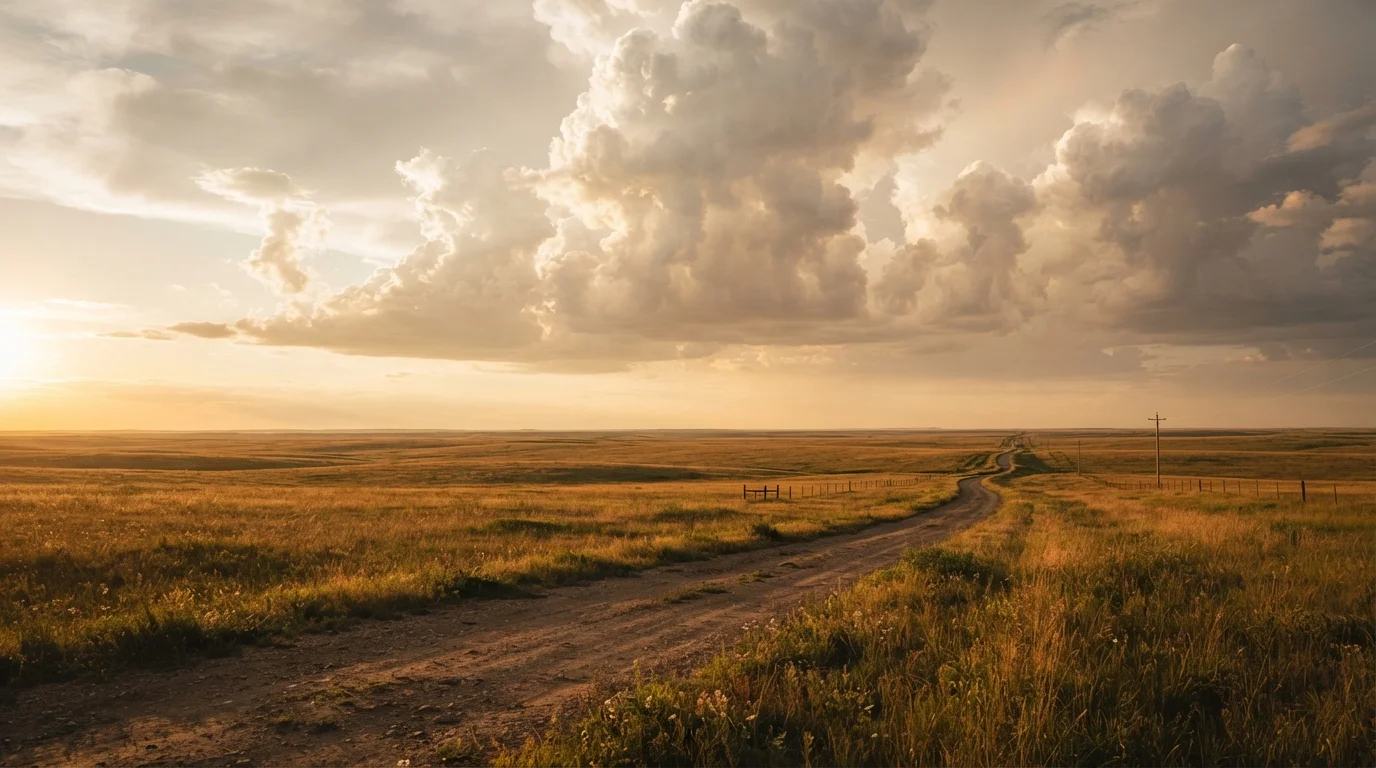
Photo: CoralScripts.com | Explore, Discover, Engage editorial
—— In This Article
Key Takeaways
- The Great Plains contain significant Native American heritage sites, working ranches, and rare prairie ecosystems most travelers never see.
- Treating the region as a corridor rather than a destination means missing landscapes and communities with genuine depth.
- Timing a visit around spring wildflowers or fall migration dramatically changes the Plains experience.
- Small cities like Rapid City, SD, and Amarillo, TX, serve as logical base camps for exploring surrounding public lands.
- The region's emptiness is a feature, not a flaw — solitude and dark skies are among its most compelling draws.
Why the Plains Get a Bad Reputation They Don't Deserve
Somewhere between St. Louis and Denver, millions of American road-trippers enter cruise-control mode. The logic is intuitive: the landscape flattens, landmarks seem to thin out, and the destination — the Rockies, the Southwest, a coast — feels like the real reward. But this mental posture causes travelers to miss one of the country's most ecologically and culturally layered regions.
The Great Plains span roughly 500 million acres across ten states, from the Dakotas and Montana down through Kansas, Oklahoma, and into Texas. Within that expanse sit tallgrass and shortgrass prairies that once sustained enormous bison herds, Lakota and Comanche homelands with living cultural traditions, and small cities quietly punching above their weight in museums, local food scenes, and outdoor access. The problem isn't that the Plains lack substance — it's that most travelers never slow down enough to find it.
For a broader perspective on why deliberate pacing transforms travel, see our piece on slow travel and the case for fewer destinations.
Treating the Plains as a gap between destinations rather than a destination in its own right.
Why it happens: Road-trip culture and navigation apps optimize for speed, routing travelers through the region without highlighting stops. The perceived flatness reinforces a belief that there is nothing worth pausing for.
Skipping Native American heritage sites and living cultural institutions.
Why it happens: These sites are rarely featured in mainstream travel media, and travelers often don't know where to begin. Without prior research, roadside signs can be the only prompt — and many travelers don't stop for them.
Underestimating distances and arriving at parks or towns after they've closed.
Why it happens: The scale of the Plains fools drivers accustomed to the Northeast or Pacific Coast, where towns and services are closely spaced. Assuming a quick detour is possible often leaves travelers short of fuel, food, or daylight.
Assuming dark-sky experiences require a trip to a remote desert or mountain destination.
Why it happens: The Southwest's reputation for stargazing, reinforced by travel media, overshadows the Plains' equally dark — and often more accessible — night skies.
Ignoring small cities as meaningful stops because they don't appear on marquee travel lists.
Why it happens: Travel recommendations cluster around coasts and mountain-west destinations. Plains cities like Rapid City, SD; Amarillo, TX; and Wichita, KS rarely appear in aspirational travel content despite housing strong regional museums, local dining scenes, and access to surrounding landscapes.
What You Actually Gain by Stopping
The Flint Hills of eastern Kansas preserve one of the largest remaining tallgrass prairie ecosystems in North America. Konza Prairie Biological Station and the Tallgrass Prairie National Preserve together protect land that looks, at the right season, almost nothing like the brown monotony drivers assume covers the whole region. Spring brings waves of bluestem and Indian paintbrush; fall migration sends thousands of raptors and shorebirds along ancient flyways.
~4%
Original tallgrass prairie remaining in North America
The Nature Conservancy estimates that less than 4% of the original tallgrass prairie ecosystem survives, making intact remnants like the Flint Hills ecologically significant.
500M+
Acres spanning the Great Plains region
The Great Plains cover an estimated 500 million acres across ten US states, making it one of the largest grassland ecosystems in the world.
In South Dakota, Badlands National Park and Wind Cave National Park sit within a day's reach of each other — and neither requires the crowds or advance-permit logistics of more famous western parks. The basics of visiting US national parks apply here too, though shoulder-season crowds at Plains parks are a fraction of those at Yellowstone or Zion.
Timing matters considerably. The right season shapes any Plains visit — late April through early June offers wildflower blooms and bison calving, while September and October bring cooler temperatures and dramatic skies without summer's heat.
Weather on the Plains Changes Quickly
Severe thunderstorms, flash floods, and — in spring — tornado activity are real considerations across the Great Plains, particularly from April through June. Before and during any Plains road trip, monitor NOAA weather forecasts regularly and know the difference between a watch and a warning. Heed official guidance about shelter and road closures; open terrain offers little natural protection from high winds or lightning.

Travel & Places Editorial Team
Travel & Places Editorial Team is the collective byline for our editorial team and contributor network. Articles published under this byline or an editorial pen name are researched, written, and reviewed according to our editorial standards for clarity, consistency, and independence before publication.
View author profile