
Slow Travel: The Case for Spending More Time in Fewer Places
Examine the genuine benefits and real drawbacks of slow travel so you can judge whether a deeper, longer stay suits your style and circumstances.
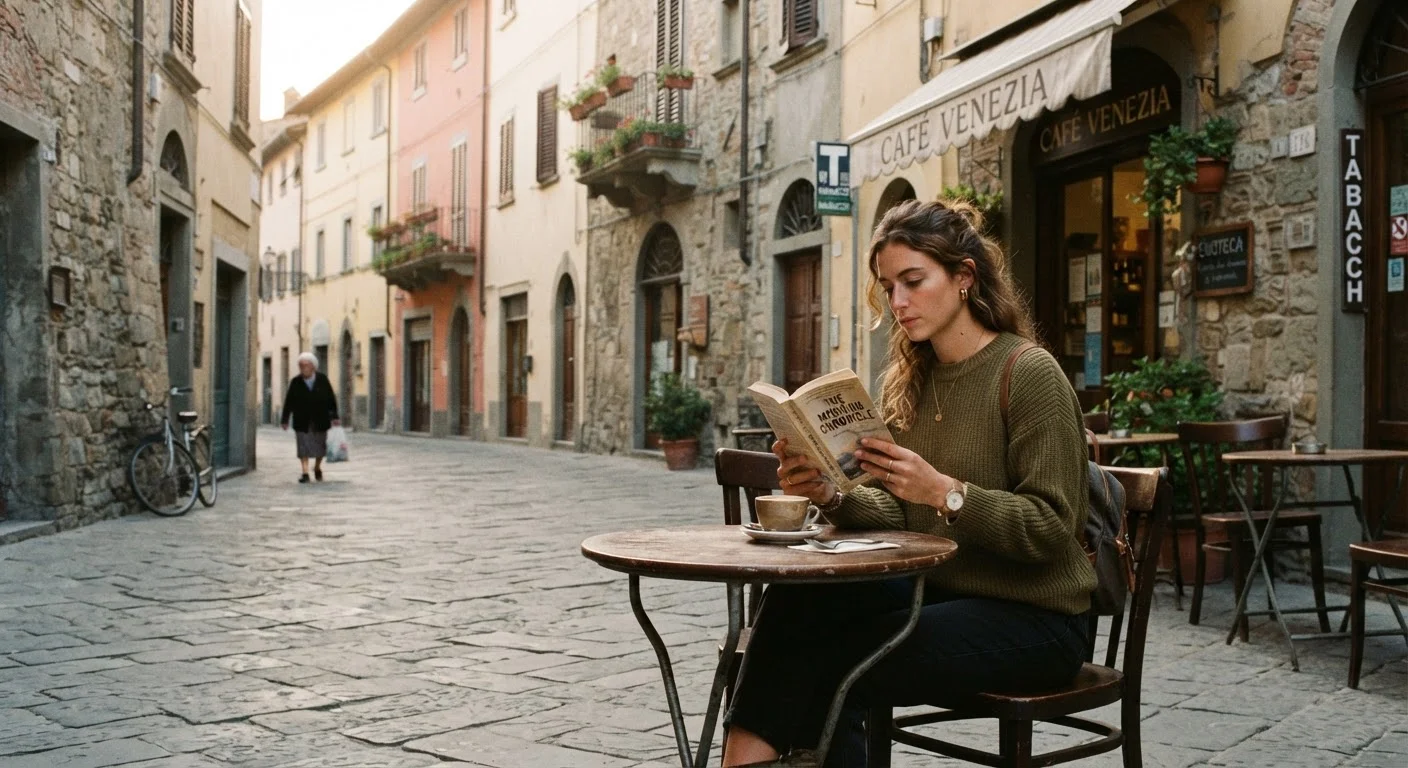
Photo: CoralScripts.com | Explore, Discover, Engage editorial
—— In This Article
Key Takeaways
- Slow travel means spending extended time in one or two places rather than rushing between many destinations.
- Longer stays can reduce per-day costs but require significant blocks of free time most travelers don't have.
- Cultural immersion and lower stress are the most commonly cited genuine benefits.
- Missed destinations and logistical challenges like visas and remote work rules are real trade-offs.
- Whether slow travel suits you depends heavily on your schedule, budget structure, and travel goals.
Lower daily costs through weekly or monthly rates
Long-term accommodation typically runs at a substantial discount compared to nightly hotel pricing. Cooking in a rented apartment rather than eating out every meal further reduces daily spend.
Deeper cultural understanding and local connection
Recurring visits to the same bakery, market, or park create familiarity and context that a three-day stop cannot replicate. Travelers often describe slow stays as the trips they remember most vividly.
Significantly reduced transit stress and fatigue
Fewer flights and transfers mean less time in airports, fewer opportunities for delays to cascade, and less physical exhaustion from constant movement.
Easier to manage for travelers with health considerations
A stable base with consistent access to routines, medication management, and familiar surroundings is meaningfully easier to sustain than a multi-city sprint.
Lower environmental footprint per trip
Aviation accounts for a disproportionate share of travel's carbon impact; reducing the number of flights per trip — even by one or two segments — measurably reduces that footprint.
Requires large blocks of free time most lack
American workers average among the fewest paid vacation days in the developed world, making month-long stays structurally inaccessible for most full-time employees.
Significant opportunity cost on destination coverage
Three weeks in one city is three weeks not spent in five others. For travelers with long wish lists and short travel windows, this trade-off can feel acutely limiting.
Visa rules complicate extended stays
Many popular regions impose strict day-count limits on tourist entry. Exceeding them carries real legal and immigration consequences that require advance research.
Slower pace can feel isolating without social structure
Unlike a tour or a resort, slow travel provides no built-in social framework. Solo slow travelers in particular may find extended stays lonely without deliberate effort to build local connections.
Income and work arrangements must align
Remote work appears to make slow travel simple, but local tax obligations, time-zone mismatches, and employer policies can create complications that short-trip travelers never encounter.
What Slow Travel Actually Means
Slow travel has no single official definition, but the core idea is consistent: spend a meaningful amount of time — typically one to four weeks — in a single place rather than moving through five cities in ten days. The emphasis shifts from ticking off landmarks to inhabiting a destination, shopping at its markets, navigating its transit system, and building even casual familiarity with neighbors or local regulars.
It is worth distinguishing slow travel from simply having a long vacation. A two-week beach resort stay is not slow travel by most practitioners' standards. The defining element is engagement — using extended time to understand a place rather than to rest from it. For a fuller picture of how this fits alongside other planning frameworks, see trip planning approaches worth knowing about.
The Genuine Advantages
The case for slow travel is strongest when evaluated against specific, concrete benefits rather than vague appeals to authenticity.
Lower daily costs through weekly or monthly rates
Long-term accommodation typically runs at a substantial discount compared to nightly hotel pricing. Cooking in a rented apartment rather than eating out every meal further reduces daily spend.
Deeper cultural understanding and local connection
Recurring visits to the same bakery, market, or park create familiarity and context that a three-day stop cannot replicate. Travelers often describe slow stays as the trips they remember most vividly.
Significantly reduced transit stress and fatigue
Fewer flights and transfers mean less time in airports, fewer opportunities for delays to cascade, and less physical exhaustion from constant movement.
Easier to manage for travelers with health considerations
A stable base with consistent access to routines, medication management, and familiar surroundings is meaningfully easier to sustain than a multi-city sprint.
Lower environmental footprint per trip
Aviation accounts for a disproportionate share of travel's carbon impact; reducing the number of flights per trip — even by one or two segments — measurably reduces that footprint.
10–15
Average US paid vacation days annually
According to the Bureau of Labor Statistics, most private-sector US workers with one year of tenure receive between ten and fourteen days of paid vacation — a structural constraint on extended travel.
90 days
Schengen Area limit for US passport holders
US citizens may stay within the Schengen Area for a maximum of 90 days within any rolling 180-day window, a rule that applies across all 27 member states combined.
Extended stays often unlock accommodation rates unavailable to short-term visitors — weekly and monthly rentals through apartment platforms typically carry meaningful discounts over per-night pricing. Fewer transit legs also mean fewer flights, trains, and transfers, which reduces both cost and carbon footprint. For destinations that reward deeper exploration — think the regions travelers miss by moving too fast — the savings in transport alone can be significant.
Psychologically, the slower pace tends to reduce the decision fatigue and exhaustion common to high-density itineraries. Travelers report feeling rested rather than depleted at a trip's end. This connects to broader evidence on how environment affects well-being — for context, see what research says about nature and well-being.
The Real Drawbacks
Slow travel's disadvantages are often understated in enthusiastic accounts of the lifestyle. They deserve honest examination.
Requires large blocks of free time most lack
American workers average among the fewest paid vacation days in the developed world, making month-long stays structurally inaccessible for most full-time employees.
Significant opportunity cost on destination coverage
Three weeks in one city is three weeks not spent in five others. For travelers with long wish lists and short travel windows, this trade-off can feel acutely limiting.
Visa rules complicate extended stays
Many popular regions impose strict day-count limits on tourist entry. Exceeding them carries real legal and immigration consequences that require advance research.
Slower pace can feel isolating without social structure
Unlike a tour or a resort, slow travel provides no built-in social framework. Solo slow travelers in particular may find extended stays lonely without deliberate effort to build local connections.
Income and work arrangements must align
Remote work appears to make slow travel simple, but local tax obligations, time-zone mismatches, and employer policies can create complications that short-trip travelers never encounter.
The most fundamental constraint is time. Most American workers receive between ten and fifteen paid vacation days annually, making a four-week stay in one location a genuine luxury rather than a realistic option for the majority. Slow travel is structurally more accessible to remote workers, retirees, sabbatical-takers, and students — populations that represent a minority of travelers.
There is also an opportunity cost rarely acknowledged: spending three weeks in Lisbon means not visiting the Azores, southern Spain, or Morocco on that same trip. For travelers with expansive destination wish lists and limited travel windows, concentration can feel like sacrifice. The trade-offs between slow and packed itineraries are real and worth weighing honestly before committing.
Slow Travel Is Not One-Size-Fits-All
The appeal of slow travel is often framed as universal, but its benefits depend heavily on individual circumstances. Travelers with chronic health conditions may find a stable base genuinely advantageous, while those motivated primarily by variety may find a slow trip unfulfilling. Consider honestly what you most want from time away before committing to a format. A useful middle ground is building an itinerary with intentional breathing room — capturing some of slow travel's benefits without abandoning multiple destinations entirely.
Practical Considerations Before You Commit
Slow travel introduces logistical questions that a standard one-week trip rarely raises. Visa rules are the most consequential: the Schengen Area, for instance, limits most US passport holders to 90 days within any 180-day period across 27 countries combined — not per country. A four-week stay in France consumes roughly a third of that allowance. Always verify current entry and visa conditions with official government sources before planning a long stay, as rules change and individual circumstances vary.
For remote workers, local tax and employment law can also become relevant. Many countries have introduced specific digital nomad visa categories, but compliance with both home-country and destination-country obligations is a legal matter worth consulting a qualified professional about rather than relying on travel blogs.
On the packing front, longer trips introduce their own challenges — the temptation to overpack increases with duration. The mindset shifts that make lighter packing possible are worth thinking through before you go; why overpacking is harder to fix than it seems is a useful companion read. And if you are weighing whether to travel alone or with others on a slow trip, the dynamics shift considerably — solo vs. group travel considerations covers what each format actually demands.

Travel & Places Editorial Team
Travel & Places Editorial Team is the collective byline for our editorial team and contributor network. Articles published under this byline or an editorial pen name are researched, written, and reviewed according to our editorial standards for clarity, consistency, and independence before publication.
View author profile