
A Country-by-Country Look at Tipping Culture: What Travelers Often Get Wrong
Tipping expectations range from mandatory to actively discouraged depending on where you are. This regional breakdown helps you navigate the differences.
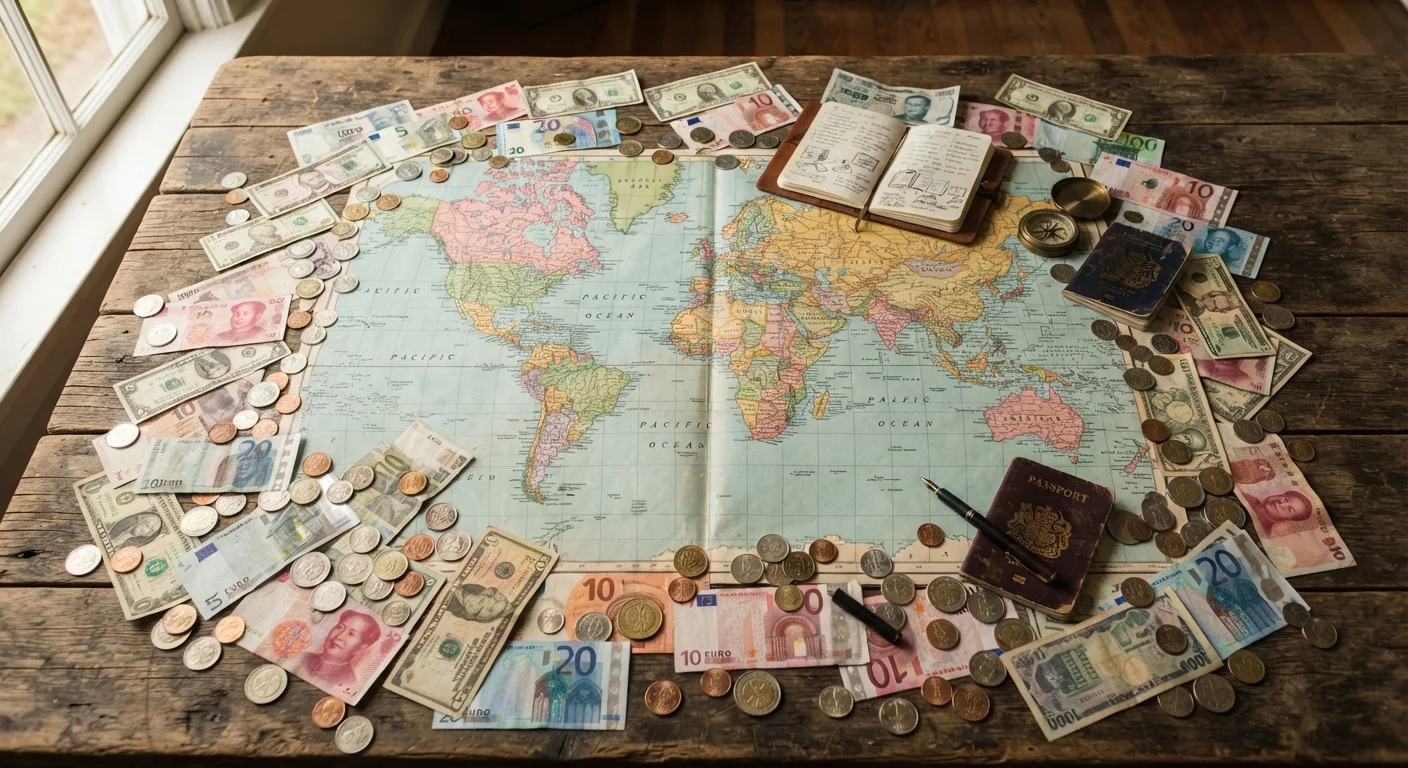
Photo: CoralScripts.com | Explore, Discover, Engage editorial
—— In This Article
Why American Tipping Instincts Often Backfire Abroad
American travelers carry some of the strongest tipping reflexes in the world — a habit shaped by a domestic service economy where gratuities can make up the majority of a server's income. Export that instinct internationally without adjustment, and you can inadvertently cause offense, create uncomfortable power dynamics, or simply waste money where no tip is expected.
The core misunderstanding is structural. In the United States, service workers frequently earn a tipped minimum wage below the standard minimum wage, making gratuities economically essential. In many other countries, service staff earn a living wage by law, and tipping culture either doesn't exist or operates on far more modest terms. See our practical groundwork guide for first-time international travelers for how this fits into a broader set of cultural adjustments.
Region-by-Region Breakdown
Europe
Western Europe presents one of the most nuanced tipping landscapes. In France and Spain, a service charge (service compris or servicio incluido) is legally embedded in restaurant bills, so a tip is entirely optional — rounding up or leaving a euro or two for table service is appreciated but not expected. In Germany and Austria, the local custom is to round up the bill to the nearest convenient number and tell the server the total you're paying; you don't leave cash on the table. In Scandinavia (Norway, Sweden, Denmark), tipping has historically been uncommon; it's more prevalent now in tourist-heavy settings but still rarely obligatory.
One firm exception: Italy. Many restaurants add a coperto (cover charge) per diner. This is not a tip — it covers bread and table service — and adding an additional tip on top is optional.
East Asia
Japan is the most frequently cited example of a no-tip culture, and the reasoning goes beyond preference: accepting a tip can be perceived as a suggestion that the worker's salary is inadequate or that you view the interaction as transactional rather than professional. The same generally holds in South Korea and, to a considerable extent, China, although tipping is more common in luxury hotel contexts in major Chinese cities catering to international visitors.
Southeast Asia
Tipping is welcomed but not as standardized as in the US. In Thailand, Vietnam, and Indonesia, leaving small tips for restaurant servers, guides, and spa workers is appreciated and increasingly expected in tourist areas. A service charge is often added at upscale establishments, so check your bill before tipping additionally.
Latin America
In Mexico, a 10–15% tip in restaurants is conventional; service staff wages are often structured with gratuities in mind. Brazil typically adds a 10% service charge (taxa de serviço) to restaurant bills — this usually goes to staff, but asking is reasonable. Argentina follows similar restaurant tipping norms, though the country's economic volatility means practices shift; a modest cash tip is generally well-received.
Middle East and Africa
In many parts of the Middle East — including UAE, Jordan, and Egypt — tipping (called baksheesh in Arabic) is customary and expected, particularly for guides, drivers, and hotel staff. In Sub-Saharan Africa, practices vary considerably by country and setting; guided safari experiences typically carry clear tipping conventions that operators will communicate.
Practical Rules for Getting It Right
A few consistent habits will serve you well regardless of destination. First, always check your bill for a service charge before calculating any additional gratuity. Second, carry small-denomination local currency — many tipping situations are cash-only even in card-friendly destinations (see our guide on managing money across borders for how to handle this efficiently). Third, when in doubt, observe how locals behave in the same setting.
Tour guides represent a category where tipping is broadly accepted across regions, including places where restaurant tipping isn't the norm. For private or small-group day tours, a cash tip at the end of the experience is standard global practice.
Tipping is just one dimension of financial preparation. For a fuller picture of where your travel money actually goes — from accommodation to incidentals — see The Anatomy of a Travel Budget. And for the broader etiquette context in which tipping decisions sit, cultural etiquette principles that transfer across many countries offers a strong foundation.

Travel & Places Editorial Team
Travel & Places Editorial Team is the collective byline for our editorial team and contributor network. Articles published under this byline or an editorial pen name are researched, written, and reviewed according to our editorial standards for clarity, consistency, and independence before publication.
View author profile