
Wildlife Photography Ethics: Principles for Observing Animals Without Causing Harm
Capturing nature on camera requires restraint. These evidence-based principles help observers minimise disturbance to wild animals.
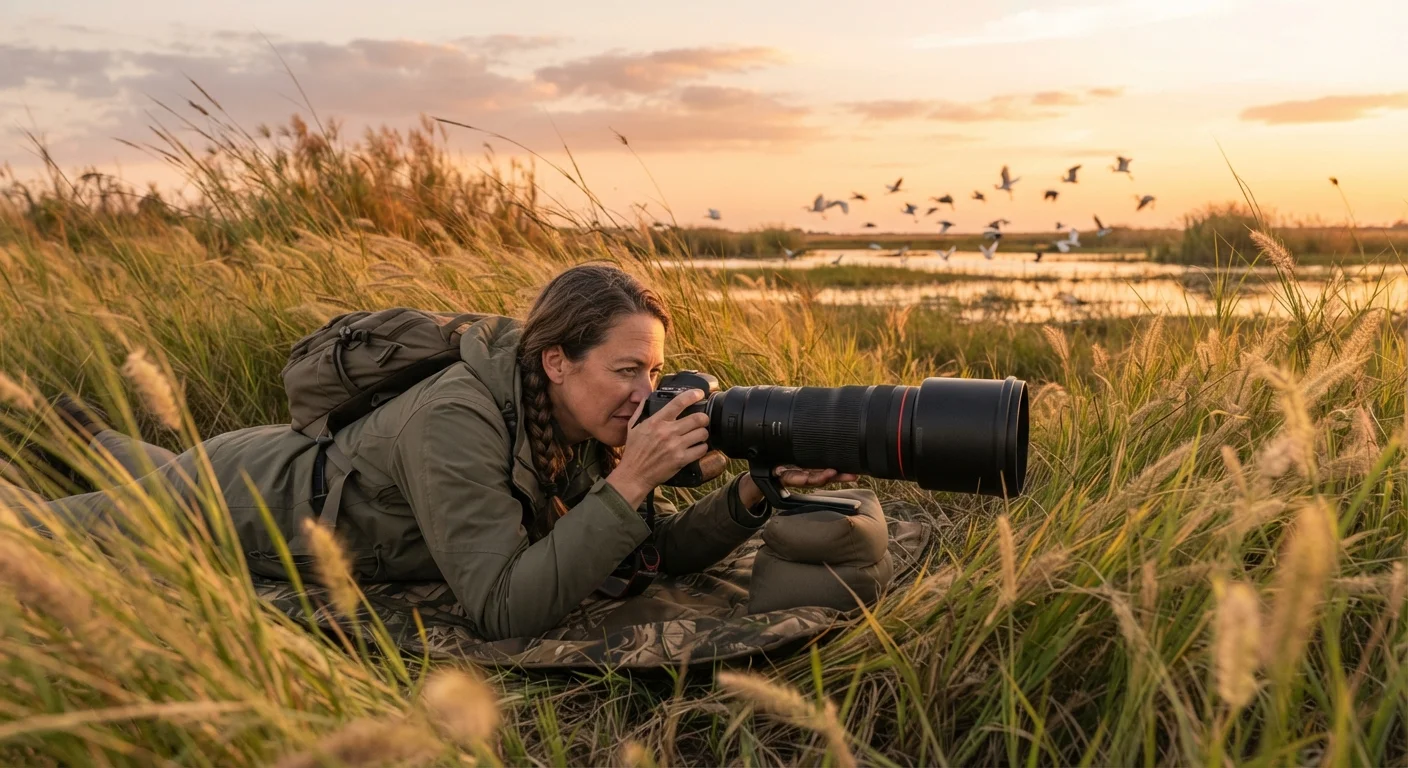
Photo: CoralScripts.com | Explore, Discover, Engage editorial
—— In This Article
Key Takeaways
- Maintaining respectful distance is the single most protective action a wildlife observer can take.
- Behavioural disruption — not just physical contact — can harm animals, particularly during nesting and breeding seasons.
- Long telephoto lenses and patience eliminate the need to approach subjects closely.
- Feeding, calling, or baiting wild animals to improve a photograph is widely considered unethical and can be illegal.
- Leave-no-trace principles apply as much to photographers as to hikers and campers.
Why Ethics Matter in Wildlife Photography
Wildlife photography sits at a paradox: the desire to document and celebrate wild animals can itself become a source of harm. Stress responses triggered by a poorly timed approach, nests abandoned after repeated human intrusion, and predators attracted to artificially baited sites are all documented consequences of well-intentioned but careless observation.
Understanding how animal behaviour is easily misread is a prerequisite for ethical fieldwork. What looks like an indifferent bird may be exhibiting a freeze response; what appears to be a tolerant bear may be habituating to humans in ways that eventually cost it its life. The ethical photographer studies species behaviour before entering the field, not after.
“The best wildlife photographs are taken by people who understand animals well enough to predict their behaviour — and respect them enough not to change it.”
— Rolf Peterson, Wildlife biologist and long-term Isle Royale wolf-moose study researcher
Core Principles for Minimising Disturbance
The following practices reflect consensus across wildlife conservation organisations and field biologists. They apply whether you are photographing sparrows in a local marsh or large mammals in a national park.
Determine and respect species-specific buffer distances before approaching any subject.
Different species have different flight-initiation distances — the range at which they flee a perceived threat. Closing inside that boundary triggers a stress response that expends energy the animal may need for survival, and can cause nest or den abandonment in breeding animals.
Never use food, calls, or artificial lures to attract wildlife for a better shot.
Baiting habituates animals to human presence, alters natural foraging behaviour, and can attract predators to a site. Playback of recorded bird calls during breeding season has been shown to suppress singing and disrupt territory establishment in some species.
Approach subjects slowly, indirectly, and from downwind where relevant.
Direct, fast approaches signal predator behaviour to most species. An oblique, unhurried path significantly reduces perceived threat and keeps the animal in a calm, natural state — producing more authentic images.
Spend more time observing and less time shooting.
Rushing to capture an image before understanding the animal's behavioural state leads to poor decisions about distance and timing. Observation first allows a photographer to anticipate natural behaviour cycles and position without repeatedly disturbing the subject.
Leave habitat exactly as found — replace moved vegetation, avoid trampling cover plants.
Nest concealment and microhabitat structure are critical to species survival. A single photographer crushing reed stems around a nest to clear a shot line can expose eggs to predators or sun exposure.
Quick-Start Actions for Your Next Outing
Even experienced naturalists benefit from a pre-field checklist. These immediately actionable steps close the gap between intention and impact.
For those interested in how researchers observe animals systematically — and how those methods translate to responsible citizen science — see how animal populations are counted in the wild. Many of the same distance and non-disturbance protocols used by field scientists apply directly to photographers.
Legal Protections Vary by Species and Location
Many jurisdictions impose legal minimum distances for protected or endangered species — particularly marine mammals, nesting raptors, and listed shorebirds. In the United States, the Marine Mammal Protection Act and Migratory Bird Treaty Act both carry enforcement provisions that can apply to photographers. Always verify applicable regulations with the relevant land management agency before entering the field.
The Bigger Picture: Photography as Conservation
Ethical wildlife images serve a purpose beyond personal satisfaction. They contribute to public awareness of species that may be cryptic or nearly invisible to untrained eyes, building the kind of broad public interest that underpins conservation funding and policy.
30%
Nest abandonment risk from human intrusion
Research published in ornithological journals has documented abandonment rates of up to 30% in some ground-nesting bird species following repeated human disturbance during incubation.
100m+
Recommended buffer for sensitive nesting raptors
Wildlife management guidelines from agencies including the US Fish & Wildlife Service commonly recommend minimum 100-metre no-approach zones around active raptor nests during breeding season.
The same disciplined observation skills that protect wild animals in the field translate naturally to domestic contexts. The framework for patient, non-interventionist watching described in observing animal behavior at home shares deep roots with wildlife fieldwork — in both cases, the observer's restraint is the primary tool.
Ultimately, ethical photography is not a constraint on creativity — it is a discipline that produces better images, because an undisturbed animal behaving naturally is always a more compelling subject than a stressed or habituated one.

Pets & Animal Life Editorial Team
Pets & Animal Life Editorial Team is the collective byline for our editorial team and contributor network. Articles published under this byline or an editorial pen name are researched, written, and reviewed according to our editorial standards for clarity, consistency, and independence before publication.
View author profile