
Veterinary Care From Puppyhood to Senior Years
A pet's health needs shift dramatically over a lifetime. This guide covers what to expect at each life stage and how preventive care changes with age.
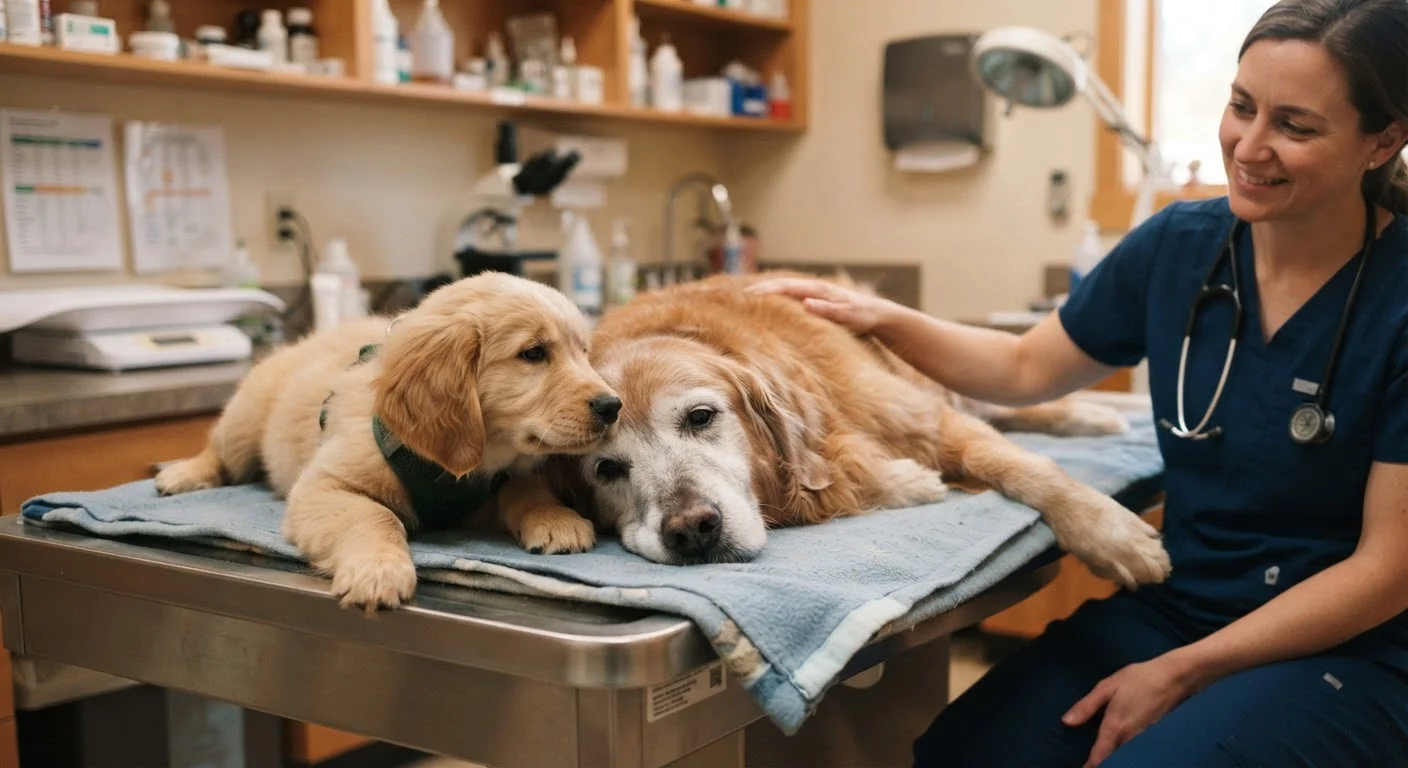
Photo: CoralScripts.com | Explore, Discover, Engage editorial
—— In This Article
- Why Life-Stage Veterinary Care Matters
- Puppyhood and Kittenhood: Building a Health Foundation
- The Adult Years: Maintaining What You've Built
- The Senior Transition: When Preventive Care Intensifies
- Wellness Visits vs. Sick Visits: Understanding the Difference
- Building Your Veterinary Partnership Over a Lifetime
Key Takeaways
- Puppies and kittens need frequent vet visits in their first year to complete vaccine series and establish baseline health.
- Adult pets benefit from annual wellness exams even when they appear healthy, catching silent issues early.
- Senior pets - generally dogs over 7 and cats over 10 - typically need twice-yearly checkups and expanded bloodwork.
- Preventive care is substantially less costly than treating advanced disease caught too late.
- Your vet's recommendations should adapt to your individual pet's species, breed, lifestyle, and medical history.
Why Life-Stage Veterinary Care Matters
A pet's body is not static. Immune systems mature, organ function shifts, disease risk profiles change, and nutritional demands fluctuate - all in ways that vary by species, breed, and individual health history. A one-size-fits-all approach to veterinary care misses these shifts entirely.
The concept of life-stage medicine - tailoring preventive and diagnostic care to where an animal is in its lifespan - is now a cornerstone of modern veterinary practice. Just as nutritional requirements shift across a human lifespan, a pet's medical needs are a moving target. Understanding what to expect at each stage helps owners make informed decisions and avoid gaps in care.
~70%
Dogs showing dental disease by age 3
According to the American Veterinary Medical Association, most dogs show signs of periodontal disease by age three - making early dental exams critical.
2×/year
Recommended vet visits for senior pets
Veterinary professional organizations broadly recommend semi-annual wellness exams for pets classified as senior, to catch age-related conditions earlier.
1 in 3
Cats developing chronic kidney disease
Research published in veterinary nephrology literature estimates that chronic kidney disease affects roughly one in three cats over their lifetime, often detected through routine bloodwork.
Puppyhood and Kittenhood: Building a Health Foundation
The first year of life is the most visit-intensive period a pet owner will experience. Young animals undergo rapid development while their immune systems are still maturing, making early veterinary care both frequent and consequential.
Core Components of Early-Life Care
- Vaccine series: Core vaccines for dogs include distemper, parvovirus, adenovirus, and rabies. For cats, FVRCP (feline viral rhinotracheitis, calicivirus, panleukopenia) and rabies are standard. These are given in a series - typically every 3-4 weeks - because maternal antibodies can interfere with early doses.
- Parasite screening and prevention: Intestinal parasites are common in young animals. Fecal testing, deworming, and starting monthly heartworm or flea/tick prevention are priorities in the first months.
- Spay or neuter counseling: Timing varies by species, breed, and size. Your veterinarian can advise on the evidence around optimal timing for your individual pet.
- Microchipping: Permanent identification significantly improves the odds of reuniting a lost pet with its owner.
At your puppy's first visit, ask your vet to document a 'baseline normal' - weight, heart rate, and body condition score - in writing. This reference point becomes invaluable for detecting subtle changes years later.
Individual variation is wide in animals; what matters clinically is change from an individual's own baseline, not comparison to population averages.
When a senior pet's labs come back 'within normal limits,' ask to see the trend over the past two to three years, not just today's snapshot. A kidney value moving steadily toward the upper boundary warrants monitoring even before it crosses a threshold.
Directional trends in bloodwork often signal developing disease earlier than single-point results, giving owners and vets more time to intervene.
Behavioral development also begins in earnest during this period. Understanding why young animals behave the way they do can help owners support healthy socialization alongside their vet visits.
The Adult Years: Maintaining What You've Built
Once a pet clears its first birthday - or around 18 months for large-breed dogs still finishing development - the visit cadence typically shifts to annual wellness exams. These appointments are not merely routine formalities.
Annual exams allow veterinarians to detect gradual changes in weight, dental health, coat condition, organ function, and mobility that owners may not notice day to day. Blood panels during adult years establish individual baselines that become invaluable when comparing against future results.
Make Dental Checks a Year-Round Habit
Dental disease is the most frequently diagnosed condition in adult dogs and cats, yet it is often invisible until advanced. Ask your vet to demonstrate a home tooth-brushing technique at your next annual visit. Consistent at-home care between professional cleanings significantly slows disease progression.
What an Adult Wellness Exam Typically Includes
- Physical examination from nose to tail
- Weight and body condition scoring
- Dental health assessment
- Review and update of vaccine boosters per current guidelines
- Parasite prevention review
- Targeted bloodwork if clinically indicated
Good coat and skin maintenance between visits also helps owners spot lumps, parasites, or skin changes early, reinforcing the value of hands-on daily attention.
The Senior Transition: When Preventive Care Intensifies
Veterinary consensus generally classifies dogs as seniors around age 7 - with giant breeds entering this phase earlier - and cats around age 10. At this stage, twice-yearly wellness visits become the standard of care rather than the exception.
The rationale is straightforward: disease progression is faster in older animals, and conditions like chronic kidney disease, diabetes, hyperthyroidism (common in cats), and arthritis can develop or worsen in the span of six months. Early detection through regular bloodwork, urinalysis, and blood pressure monitoring meaningfully improves management options.
Behavior Changes in Senior Pets Deserve Attention
Increased thirst, altered sleep patterns, reduced play, reluctance to climb stairs, or changes in litter box habits in older pets are not simply 'signs of aging' to be accepted. They are potential clinical indicators of treatable conditions including hyperthyroidism, diabetes, arthritis, and cognitive dysfunction. Report any behavioral shift promptly to your veterinarian rather than waiting for the next scheduled visit.
Senior-Specific Diagnostics
- Comprehensive blood panels: Including kidney and liver function markers, thyroid levels, and blood glucose
- Urinalysis: Detects early kidney disease and urinary tract infections before symptoms appear
- Blood pressure measurement: Hypertension is underdiagnosed in senior cats and dogs
- Dental evaluation: Periodontal disease is nearly universal in older pets and has systemic health implications
- Mobility and pain assessment: Arthritis is often underreported because animals mask discomfort
Being prepared for a health emergency becomes especially important as pets age, since senior animals can decline more quickly when acute illness strikes.
Wellness Visits vs. Sick Visits: Understanding the Difference
A common misconception is that veterinary visits are only necessary when something is visibly wrong. In fact, wellness visits and sick visits serve fundamentally different purposes.
Wellness visits are proactive - they follow a scheduled schedule regardless of symptoms, enabling early detection and relationship-building with your veterinary team. Sick visits are reactive, addressing specific complaints. Relying solely on the latter means many conditions are caught later, when treatment is more complex and outcomes less predictable.
Vaccine Schedules Are Not Universal
Core vaccine guidelines have evolved. Many adult pets no longer need annual boosters for every vaccine - intervals for some core vaccines have been extended to every three years based on duration-of-immunity research. Your veterinarian will tailor a schedule based on your pet's lifestyle, risk exposure, and regional disease prevalence, which may differ from what you've read elsewhere.
The economic argument for preventive care is also well-supported: early-stage disease management is consistently less costly than advanced-disease intervention, though individual circumstances vary widely.
Building Your Veterinary Partnership Over a Lifetime
Continuity of care has measurable value. A veterinarian who has seen a pet since puppyhood holds a mental and physical record - trend data, behavioral baseline, historical responses to treatment - that cannot be reconstructed quickly in an urgent situation.
To make the most of that relationship, owners can:
- Keep a running health log noting changes in appetite, thirst, elimination, energy, and behavior
- Bring a list of any supplements, medications, or dietary changes to each visit
- Ask what life-stage changes to anticipate before the next scheduled exam
- Discuss breed-specific risks, since certain breeds carry elevated predispositions to cardiac disease, joint problems, or cancer
Veterinary care across a lifetime is not a series of isolated appointments - it is a longitudinal health story. The more informed and consistent an owner's participation, the more effectively that story can be written in the pet's favor.
This article is for general informational and educational purposes only and does not constitute veterinary medical advice. Always consult a licensed veterinarian for guidance specific to your pet's health, species, breed, and individual circumstances.

Pets & Animal Life Editorial Team
Pets & Animal Life Editorial Team is the collective byline for our editorial team and contributor network. Articles published under this byline or an editorial pen name are researched, written, and reviewed according to our editorial standards for clarity, consistency, and independence before publication.
View author profile