
The Difference Between a Wellness Visit and a Sick Visit at the Vet
Routine checkups and illness appointments serve different purposes. Here's what each visit involves and why both are essential to your pet's care.
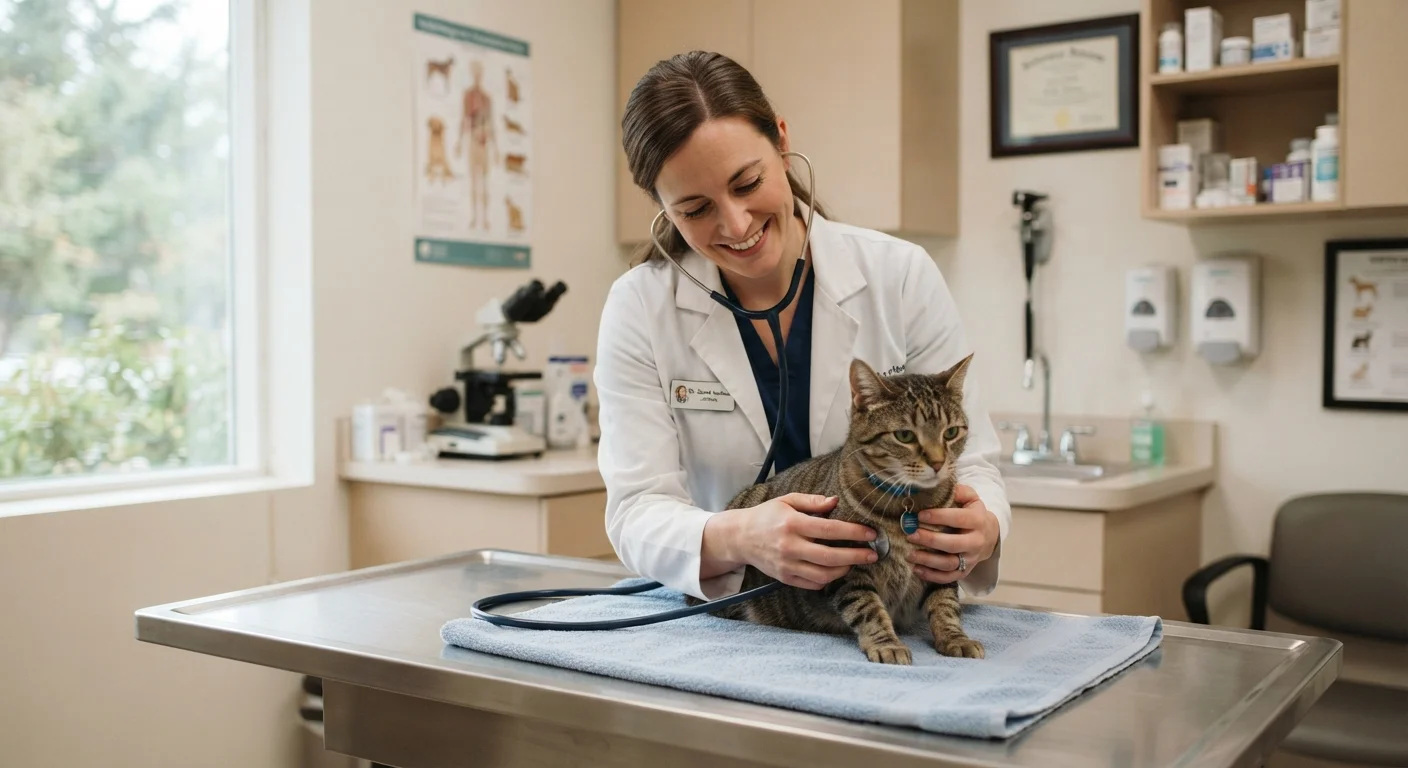
Photo: CoralScripts.com | Explore, Discover, Engage editorial
—— In This Article
Key Takeaways
- Wellness visits are scheduled preventive appointments; sick visits are unplanned responses to symptoms or injury.
- Each type has a different structure, cost profile, and focus - knowing the difference helps you prepare.
- Regular wellness visits can catch problems early, sometimes before a sick visit ever becomes necessary.
- Even pets that appear healthy benefit from annual or life-stage-appropriate wellness exams.
- If your pet shows sudden behavioral changes, that alone may warrant a sick visit - not just physical symptoms.
What Actually Happens at Each Appointment
At a wellness visit, the veterinarian conducts a comprehensive physical exam from nose to tail - checking weight, coat condition, eyes, ears, teeth, heart, lungs, and abdomen. Vaccines are reviewed and administered if due. The vet may recommend fecal testing for intestinal parasites, heartworm screening, or bloodwork as part of baseline health monitoring. The appointment also creates space for you to ask questions about nutrition, behavior, or life-stage transitions. Think of it as an annual audit of your pet's overall health.
A sick visit is structured differently. The veterinarian focuses on the presenting problem - a specific symptom, injury, or concern you've brought in. After a targeted physical exam, diagnostic tools like blood panels, urinalysis, imaging, or cultures may be ordered to pinpoint the cause. Treatment planning, prescriptions, or referrals to a specialist can all happen within a single sick visit. These appointments are typically shorter in scope but often more intensive in the moment.
Understanding how to recognize signs of pain or distress in your pet will help you identify when a sick visit is warranted rather than waiting for a scheduled wellness exam.
| Criterion | Wellness Visit | Sick Visit |
|---|---|---|
| Purpose | Preventive, routine health monitoring | Diagnose and treat a specific problem |
| Scheduling | Planned in advance | Same-day or urgent booking |
| Exam Focus | Head-to-tail comprehensive review | Targeted to presenting symptom |
| Typical Duration | 30-60 minutes | 15-45 minutes (varies by complexity) |
| Vaccines / Preventives | Reviewed and administered if due | Generally deferred unless stable |
| Diagnostics | Routine screening (bloodwork, fecal) | Problem-driven (imaging, cultures, labs) |
| Cost Range | Predictable; typically lower | Variable; often higher due to diagnostics |
Frequency, Scheduling, and Cost Considerations
Wellness visits follow a predictable schedule tied to your pet's age and species. Puppies and kittens typically require visits every three to four weeks during early development, while healthy adult pets generally need annual exams. Senior pets - usually those seven years and older for dogs, and ten or older for cats - often benefit from biannual checkups due to the accelerated pace at which age-related conditions can develop. The full arc of a pet's veterinary needs from puppyhood to senior years provides helpful context for planning ahead.
Sick visits, by nature, are unplanned. Many clinics reserve same-day slots for urgent cases, though availability varies. Emergency animal hospitals handle cases outside regular clinic hours. Because sick visits involve diagnostics and treatment, the cost can be significantly higher than a routine exam - particularly if imaging, hospitalization, or specialist referral is involved.
~50%
Pets with undetected disease at routine exams
According to the American Veterinary Medical Association, routine wellness screenings frequently identify previously undetected health issues in pets that appeared outwardly healthy.
1 in 3
Pets requiring emergency vet care annually
Industry estimates from pet health organizations suggest roughly one in three pets will need emergency or unplanned veterinary attention in any given year.
It's worth noting that not every symptom escalates to emergency status. Some sick visits can be scheduled within a day or two if the concern is non-urgent. Your vet's front desk staff are often trained to triage calls and help you determine appropriate urgency.
Why Both Types of Visit Matter for Long-Term Health
A common misconception is that a wellness visit is only necessary when a pet seems unwell. In reality, the two visit types work together. Wellness exams can identify subclinical issues - conditions that haven't yet produced obvious symptoms - before they become costly emergencies. Catching early dental disease, weight changes, or heart murmurs during a routine visit may prevent a more serious sick visit down the road.
Conversely, a sick visit addresses what's happening right now. It shouldn't replace the broader picture that only a wellness exam provides. A pet that was treated for an infection last spring still needs its annual exam in the fall.
Behavioral shifts can be early indicators of illness just as much as physical symptoms. Sudden withdrawal, appetite changes, or increased aggression may all warrant a sick visit even in the absence of visible injury. Pairing behavioral awareness with a consistent wellness schedule gives your pet the most complete coverage. You may also want to review what to have ready before a pet health emergency so you're prepared if a sick visit becomes urgent.
When You're Unsure Which Visit Type You Need
If your pet's symptoms aren't clearly urgent but something feels off, calling your veterinary clinic and describing the situation is always appropriate. Most practices have staff trained to help triage over the phone and can advise whether a same-day sick visit, a scheduled appointment, or watchful waiting is the right next step. Never feel that a concern is too minor to mention - early communication often leads to better outcomes.
This article is for general informational and educational purposes only and is not a substitute for professional veterinary advice. Always consult a licensed veterinarian for guidance specific to your pet's health needs.

Pets & Animal Life Editorial Team
Pets & Animal Life Editorial Team is the collective byline for our editorial team and contributor network. Articles published under this byline or an editorial pen name are researched, written, and reviewed according to our editorial standards for clarity, consistency, and independence before publication.
View author profile