
What Every Pet Owner Should Have Ready Before an Emergency
From first-aid supplies to vet contact details, this checklist helps you prepare for pet health emergencies before they happen.
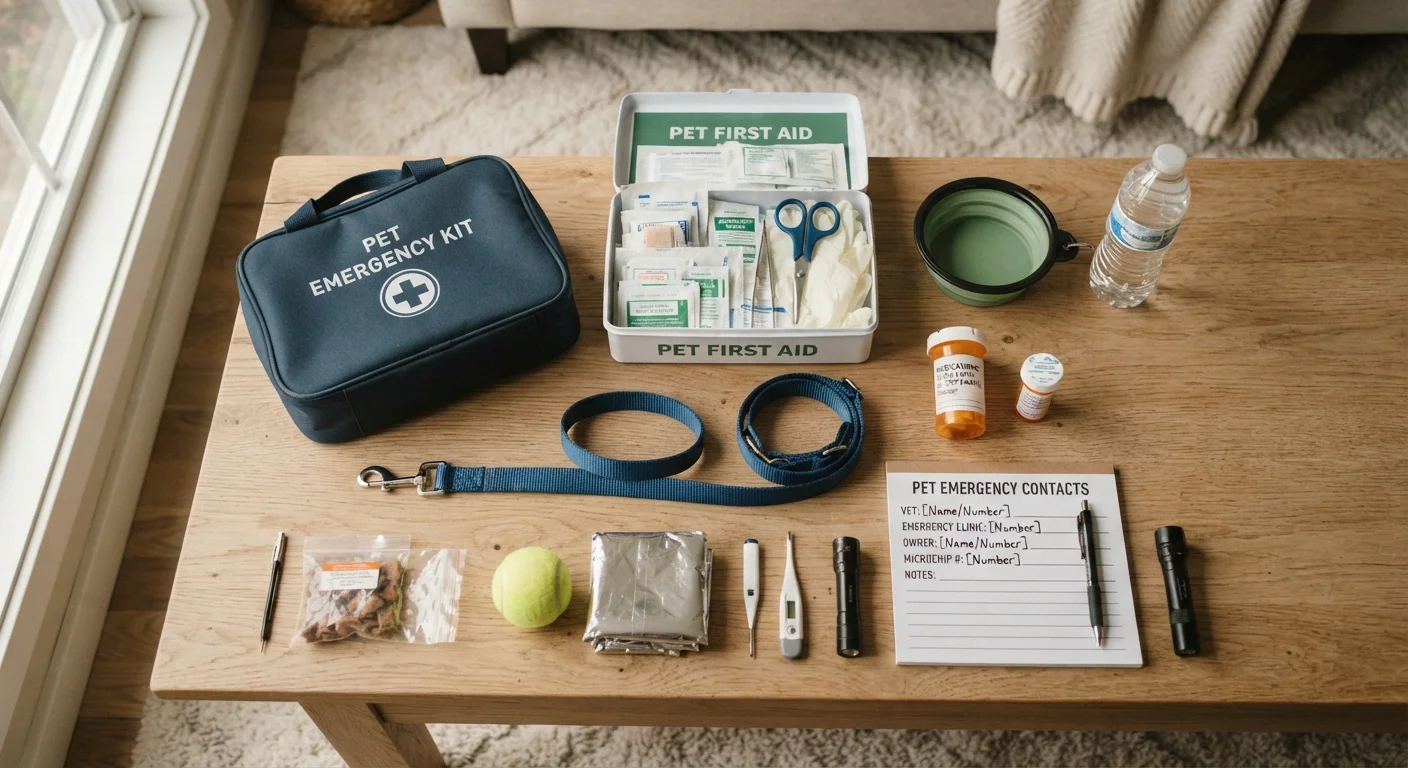
Photo: CoralScripts.com | Explore, Discover, Engage editorial
—— In This Article
Key Takeaways
- A dedicated pet first-aid kit with species-appropriate supplies is the foundation of emergency preparedness.
- Keeping your vet's number, an emergency animal hospital address, and poison control contact always accessible saves critical time.
- Your pet's medical records - including vaccination history and current medications - should be stored in a portable, waterproof format.
- Evacuation planning for pets must be done before a crisis, not during one.
- Regularly reviewing and restocking your emergency supplies ensures nothing is expired or missing when it matters most.
Why Preparation Matters Before the Emergency Arrives
Emergencies rarely announce themselves. A dog can swallow something toxic on a quiet Tuesday afternoon; a cat can suffer a sudden injury while you're cooking dinner. The gap between a good outcome and a dangerous one often comes down to how quickly an owner can act - and acting quickly requires having already thought through what you'll need.
This checklist is designed to help pet owners audit their current level of readiness and fill in the gaps before they face a real crisis. Whether you've just brought a new animal home - see our guide on bringing a pet home for the first time - or you've had pets for years, it's worth running through these items methodically. Think of it the same way you'd approach a pre-travel audit: systematic, specific, and done in advance. International travelers run through checklists before departure for exactly this reason - preparation under pressure is harder than preparation at leisure.
First-Aid Supplies
Contact Information
Medical Records and Documentation
Evacuation and Containment Readiness
What to Keep in Your Pet First-Aid Kit
A dedicated pet first-aid kit should be kept somewhere accessible - not buried in a garage. Commercial kits exist, but assembling your own gives you control over what's included and lets you tailor it to your specific animal. A rabbit's needs differ from a large dog's, and a kit built around your pet's species, size, and known health conditions is more useful than a generic one.
Never Give Human Medications Without Vet Guidance
Many over-the-counter medications safe for humans - including ibuprofen, acetaminophen, and certain antacids - are toxic or potentially fatal to dogs, cats, and other pets. Do not administer any human medication to your animal without first confirming with a veterinarian or a poison control specialist that it is appropriate and safe for your specific pet's species, weight, and health status.
Stock the kit, then learn how to use it. Knowing where the gauze is counts for little if you don't know how to apply pressure correctly or recognize the signs that warrant immediate veterinary care rather than home management. Our companion article on signs your pet may be in pain is a useful companion to this checklist.
Waterproof document sleeve
Protects printed medical records, contact sheets, and vaccination certificates from moisture during evacuations or outdoor emergencies.
Digital rectal thermometer
Measures your pet's core body temperature accurately - a key indicator of fever, heatstroke, or hypothermia.
Self-adhesive bandage wrap (vet wrap)
Secures dressings without sticking to fur, making it safer and less painful to apply than standard adhesive tape.
Sturdy pet carrier or crate
Provides safe, contained transport for an injured or panicked pet to the veterinary clinic or emergency hospital.
Slip lead
Offers quick, adjustable restraint for a dog that has slipped its collar or is behaving unpredictably due to pain or fear.
Secure cloud storage (phone-accessible)
Keeps a digital backup of your pet's records available even if your physical kit is lost or inaccessible.
Records, Contacts, and Ongoing Readiness
Physical preparedness matters, but so does information. In a fast-moving situation, you don't want to be searching your email for your pet's vaccination history or struggling to recall whether your pet is on any medications that interact with common sedatives. Veterinary staff need this information quickly, and being able to hand over a clear summary can materially improve care.
Emergency preparedness also overlaps with routine preventive care. Staying current on parasite prevention, vaccinations, and annual wellness checks means fewer underlying vulnerabilities if an emergency does occur. For a broader picture of how your pet's health needs evolve, our guide on veterinary care from puppyhood to senior years covers what to expect at each stage. And if you're uncertain whether your parasite prevention protocol is actually adequate, parasite prevention: what owners often get wrong is worth a read.
Know Your Pet's Baseline Before Any Crisis
One of the most overlooked aspects of emergency preparedness is knowing what 'normal' looks like for your individual animal. Record your pet's resting heart rate, respiratory rate, and typical body temperature during a calm moment at home. When a potential emergency occurs, this baseline helps you - and emergency veterinary staff - assess how much the animal has deviated from its normal state, which directly informs the urgency and type of care required.
Set a reminder to review your emergency kit and contact list every six months. Medications expire, phone numbers change, and your pet's health profile shifts over time. Readiness isn't a one-time task - it's a habit.
This article is for general informational purposes only and does not constitute veterinary or medical advice. Always consult a licensed veterinarian for guidance specific to your pet's health and situation.

Pets & Animal Life Editorial Team
Pets & Animal Life Editorial Team is the collective byline for our editorial team and contributor network. Articles published under this byline or an editorial pen name are researched, written, and reviewed according to our editorial standards for clarity, consistency, and independence before publication.
View author profile