
Reading Animal Distress: Behavioral Signs That Warrant Veterinary Attention
Sudden changes in behavior can be early signs of illness or pain in animals. Learn which behavioral shifts should prompt a conversation with a vet.
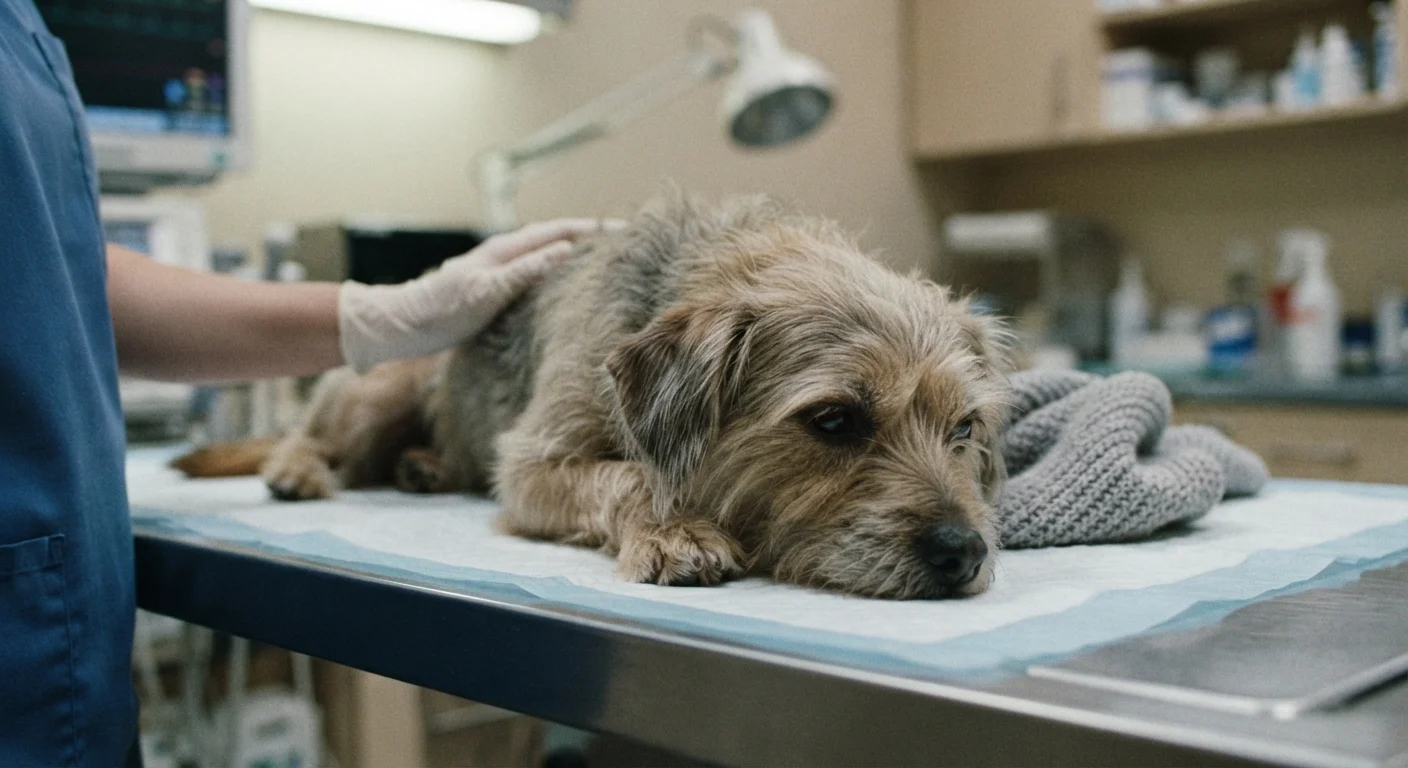
Photo: CoralScripts.com | Explore, Discover, Engage editorial
—— In This Article
Key Takeaways
- Animals instinctively mask pain and illness, making behavioral changes an early and critical diagnostic signal.
- Sudden shifts in appetite, activity, vocalization, or social engagement are among the most reliable warning signs.
- A single behavior change may be unremarkable, but clusters of changes across multiple categories warrant prompt veterinary contact.
- This checklist applies broadly to dogs, cats, and many other companion animals, though species-specific nuance matters.
- Observing and documenting behavior at home helps veterinarians make faster, more accurate assessments.
Why Behavior Is the Body's First Language
Animals evolved to conceal weakness. In prey species especially, showing vulnerability invites predation, which means that by the time an animal displays overt distress, the underlying condition may already be well advanced. Even domesticated dogs and cats retain these masking instincts to varying degrees, as documented in veterinary behavioral research.
This makes behavioral observation one of the most powerful diagnostic tools available to pet owners. Unlike blood panels or imaging, you can perform it daily at no cost - and because you know your individual animal's baseline, you can detect deviations that a veterinarian seeing the pet for the first time may not immediately recognize.
The framework for home-based behavioral observation is grounded in ethology - the scientific study of animal behavior in natural settings. Applying even a basic version of that framework positions you to catch problems earlier and give your vet clinically useful information when it matters most.
Masking Is Instinct, Not Deception
Animals do not hide pain or illness deliberately. This behavior is an evolutionary adaptation that has persisted in domesticated species. Recognizing that your pet may be experiencing significant distress while showing minimal outward signs is essential to acting before a condition becomes critical. Never wait for an animal to cry out or collapse before seeking veterinary input.
What to Look For: The Distress Behavior Checklist
The following checklist organizes the behavioral signs most consistently linked to pain, illness, or significant psychological stress in companion animals. Use it as a regular audit tool - not just when something seems obviously wrong. Many of the most actionable warning signs are subtle.
Appetite and Thirst
Activity and Mobility
Social Behavior and Interaction
Vocalization and Breathing
Grooming and Self-Care
Elimination Habits
For a deeper look at pain-specific signals - including physical cues like guarding a limb or changes in gait - see the companion guide on signs your pet may be in pain.
Tools That Support Better Observation
Having the right resources in place before a concern arises helps you act quickly and communicate precisely with your veterinary team.
Behavior log or journal
Record dated observations of changes in eating, activity, elimination, and social behavior to share accurate timelines with your veterinarian.
Smartphone with video capability
Capture brief video clips of abnormal postures, gait irregularities, or episodic behaviors that may not be reproducible in a clinical setting.
Baseline weight record
Track body weight monthly using a home scale so that gradual weight loss or gain - a key clinical indicator - doesn't go unnoticed.
Veterinarian contact list
Keep your primary vet's number and a local emergency veterinary clinic's number readily accessible for rapid consultation.
Context, Clusters, and When to Act
A single behavioral change rarely tells the whole story. A cat that skips one meal during a household disruption is behaving adaptively. A cat that stops eating for more than 24-48 hours, withdraws from interaction, and begins vocalizing at unusual times is presenting a cluster of changes that warrants same-day contact with a veterinarian.
Context matters too. Stress, boredom, and anxiety can produce many of the same behavioral signatures as physical illness - excessive vocalization, withdrawal, changes in elimination habits. Distinguishing between psychological and medical causes is a clinical task; your job as an owner is to notice the pattern and report it accurately.
Species-specific body language is also worth studying. For cat owners in particular, understanding what tail position, ears, and slow blinks signal provides an additional interpretive layer that the checklist above complements rather than replaces.
Do Not Self-Diagnose or Self-Treat
Behavioral changes that overlap between psychological and physical causes can be deceptive - what appears to be anxiety may be early organ disease, and vice versa. Administering over-the-counter pain medications intended for humans to pets can be life-threatening; many common analgesics are toxic to dogs and cats. Always consult a licensed veterinarian before introducing any treatment in response to behavioral changes.
Finally, note that behavioral baselines shift across a pet's life. A senior animal may naturally sleep more or play less - but that same gradual change in a young adult dog could signal hypothyroidism or another systemic condition. The full arc of veterinary care from puppyhood to senior years offers context for how age-appropriate behavior should inform your expectations at each stage.
This article is for general educational and informational purposes only and does not constitute veterinary or medical advice. If you are concerned about your animal's health or behavior, consult a licensed veterinarian for guidance specific to your pet's situation.

Pets & Animal Life Editorial Team
Pets & Animal Life Editorial Team is the collective byline for our editorial team and contributor network. Articles published under this byline or an editorial pen name are researched, written, and reviewed according to our editorial standards for clarity, consistency, and independence before publication.
View author profile