
How Animals Form Attachments - and What Disrupts Them
Attachment isn't unique to humans. Explore the science of bonding in animals, from early imprinting to adult pair bonds and human-pet relationships.
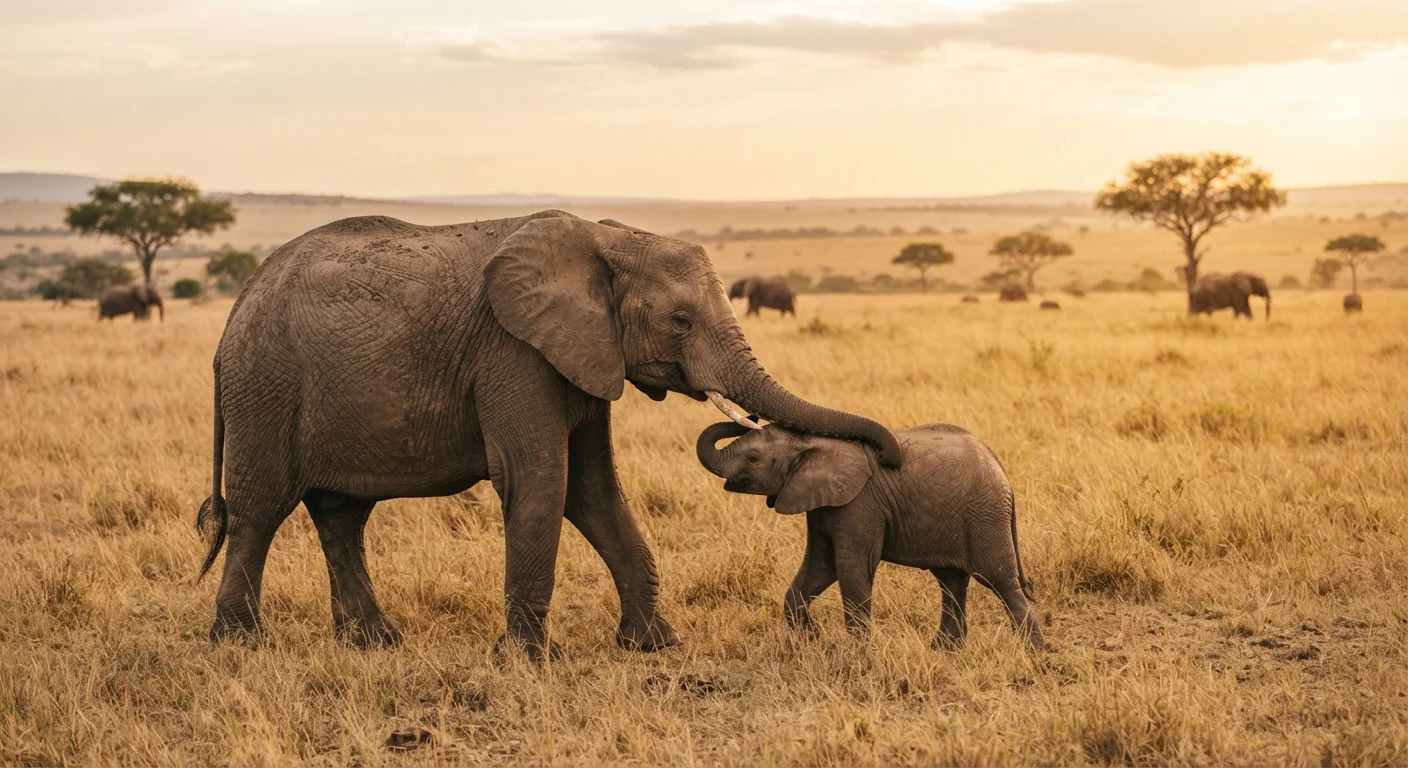
Photo: CoralScripts.com | Explore, Discover, Engage editorial
—— In This Article
Key Takeaways
- Attachment in animals is a neurologically grounded system, not simply social preference or habit.
- Critical periods - windows of heightened neurological sensitivity - shape how and with whom animals bond.
- Imprinting is an extreme and largely irreversible form of early attachment found in birds and some mammals.
- Human-pet bonds activate similar oxytocin pathways as bonds between conspecifics (members of the same species).
- Disruption through separation, trauma, or deprivation can alter attachment behavior long-term.
The Biology Behind Bonding
Attachment is not a soft concept - it has a hard biological foundation. In mammals, the neuropeptides oxytocin and vasopressin are central to forming and maintaining social bonds. Oxytocin is released during physical contact, nursing, and social grooming, reinforcing the neural circuits that associate specific individuals with safety and reward.
This system is ancient. Prairie voles, which form lifelong monogamous pair bonds, show dramatically different vasopressin receptor distribution in the brain compared to their polygamous cousins, the meadow vole. This single neurochemical difference helps explain why one species bonds for life and the other does not - a finding that reshaped how researchers think about the biological basis of attachment across species.
Birds show analogous bonding systems through dopamine and opioid pathways, and even some fish demonstrate partner preference behaviors associated with specific neurochemical signatures. The machinery of attachment is not uniquely mammalian; it is an evolutionarily conserved solution to the problem of cooperation and care.
~90%
Bird species that are socially monogamous
Social monogamy in birds is among the highest rates in any vertebrate class, reflecting the adaptive value of pair bonding for shared parental investment.
2-7 weeks
Kitten socialization critical window
Behavioral researchers identify this as the period during which positive human contact has the most lasting impact on a cat's adult tolerance and affiliation toward people.
Both species
Experience oxytocin rise during mutual gaze
Peer-reviewed research has documented oxytocin increases in both dogs and their owners following sustained eye contact, paralleling the mother-infant bonding loop in humans.
Critical Periods and Imprinting
The timing of early experience is not neutral. Many species have critical periods - windows of heightened neurological plasticity during which specific learning occurs with unusual ease and lasting effect. Outside these windows, the same experiences have far less impact.
Imprinting is the most dramatic example. Konrad Lorenz famously documented how newly hatched greylag geese would follow the first moving object they encountered, treating it as their mother - even if that object was a human researcher. This process occurs within hours of hatching and produces lasting social and sexual preferences in the adult animal.
Mammals show analogous sensitive periods. Kittens not adequately socialized to humans between two and seven weeks of age are significantly more likely to remain fearful of people as adults. Puppies have a comparable socialization window. These are not merely behavioral habits - they reflect structural changes in developing neural circuits. Play during these windows also contributes to social bond formation, helping young animals learn the behavioral grammar of their species.
Adult Pair Bonds and Social Attachment
Beyond early development, many animals form strong adult attachments. These pair bonds serve clear adaptive purposes: coordinated parenting, territory defense, and increased offspring survival. Roughly 90% of bird species are socially monogamous, though genetic fidelity varies considerably. In wolves, strong affiliative bonds among pack members underpin cooperative hunting and pup-rearing - though modern research has revised earlier ideas about rigid dominance hierarchies. What we now understand about wolf social structure is considerably more nuanced than the popular "alpha" model suggests.
Elephants provide one of the most compelling cases of adult attachment. Females maintain decades-long bonds with mothers, sisters, and close associates. When a bonded individual dies, surviving elephants display behaviors - prolonged investigation of the body, reduced foraging, altered group movement - that researchers interpret as indicators of grief, though precise subjective experience remains an open scientific question.
“The question is not whether animals have emotions, but why emotions evolved and how they function in social life - and the evidence increasingly points to rich emotional lives in many species.”
— Frans de Waal, Primatologist and author of research on animal empathy and social behavior
Human-Pet Bonds: A Special Case
Domestication has produced something remarkable: species capable of forming strong cross-species attachments to humans. Dogs in particular display behaviors that parallel infant-caregiver attachment - seeking proximity under stress, using their human as a secure base for exploration, and showing distress upon separation.
Research published in peer-reviewed journals has documented that mutual gaze between dogs and their owners triggers oxytocin release in both species - the same hormonal feedback loop that operates between human mothers and infants. This suggests the dog-human bond is not simply a learned dependency but an adapted emotional system shaped by thousands of years of co-evolution.
Cats, horses, and birds also show measurable attachment behaviors, though the expression varies. Understanding these bonds has practical implications. Observing your pet's behavior systematically can reveal attachment patterns - and potential disruptions - that might otherwise go unnoticed.
Recognizing Attachment in Your Pet
Signs of secure attachment in a pet include calm exploration in a new environment when you are present, a clear preference for your company under stress, and rapid settling after a mild fright when you offer reassurance. Persistent anxiety, destructive behavior during absences, or difficulty settling may suggest disrupted or insecure attachment - and consulting a veterinary behaviorist can help identify the cause.
What Disrupts Attachment - and What Follows
Attachment disruption is not a minor inconvenience. Early separation from a caregiver - before a species-typical weaning or socialization period ends - is associated with elevated baseline cortisol, heightened reactivity to stress, and altered social behavior in adulthood. Studies in rodents, primates, and dogs all point toward similar consequences: early deprivation produces lasting changes in the hypothalamic-pituitary-adrenal (HPA) axis, the system governing stress response.
In primates, Harry Harlow's mid-20th century research - though ethically troubling by modern standards - documented that infant rhesus monkeys deprived of social contact developed profound and lasting behavioral abnormalities. Later research confirmed these effects reflect genuine neurological change, not simply learned behavior.
In domesticated animals, disruptors include rehoming during sensitive periods, isolation, chronic unpredictability from caregivers, and trauma. These experiences do not inevitably produce permanent damage - social animals demonstrate resilience and capacity for recovery, particularly with stable, responsive relationships afterward. However, the disruption is real and should not be underestimated. The science of animal cognition more broadly - including how animals process social information - is explored in depth in our overview of animal intelligence and cognition.
Frequently Asked Questions

Pets & Animal Life Editorial Team
Pets & Animal Life Editorial Team is the collective byline for our editorial team and contributor network. Articles published under this byline or an editorial pen name are researched, written, and reviewed according to our editorial standards for clarity, consistency, and independence before publication.
View author profile