
Social Isolation vs. Loneliness in Older Adults: Understanding the Difference
Social isolation and loneliness are often used interchangeably, but they mean different things and call for different responses. Here's what to know.
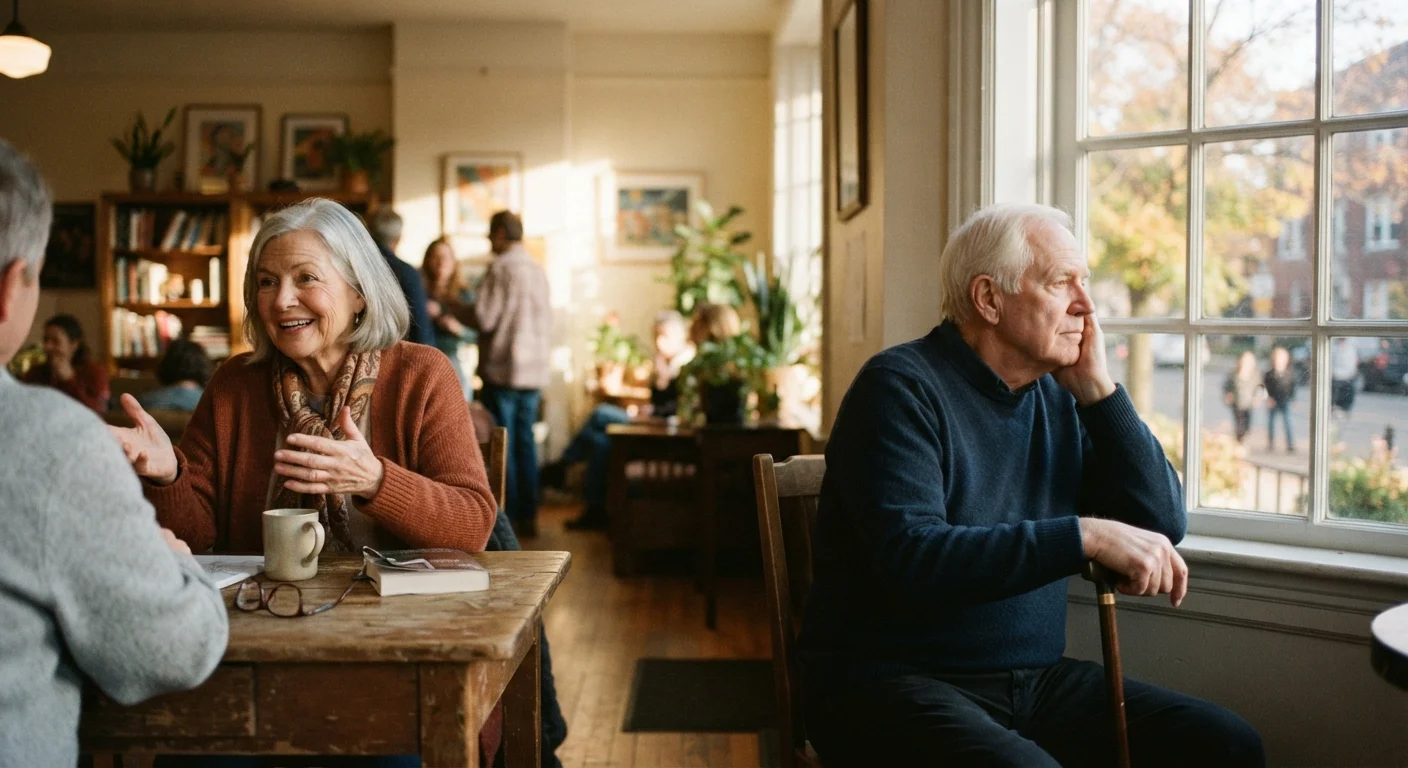
Photo: CoralScripts.com | Explore, Discover, Engage editorial
—— In This Article
Key Takeaways
- Social isolation is measurable and objective; loneliness is subjective and emotional - they are not the same thing.
- A person can be socially isolated without feeling lonely, and deeply lonely despite being surrounded by people.
- Both conditions carry real health implications, but they call for different kinds of support and intervention.
- Older adults are at elevated risk for both, often due to retirement, bereavement, mobility changes, or caregiver loss.
- Recognising which condition is present is the first step toward finding meaningful, effective help.
Two Different Problems, Often Mistaken for One
When we talk about older adults feeling cut off from the world around them, the words "isolated" and "lonely" tend to get used as if they mean the same thing. They don't - and conflating them can lead families, caregivers, and communities to offer the wrong kind of help.
Social isolation is a measurable, objective state: it refers to having few social contacts, infrequent interactions, or limited participation in community life. Researchers can quantify it by counting the number of people someone regularly speaks with, how often they leave home, or whether they belong to any groups or organizations.
Loneliness, by contrast, is entirely internal. It's the distressing feeling that arises when there's a gap between the social connection a person wants and the connection they actually have. It can't be measured from the outside. Someone can appear socially active and still feel profoundly alone. Someone living in genuine isolation may feel at peace with their solitude.
This distinction matters enormously for how we respond. The research on social connection and health draws on both concepts, but the interventions they call for are quite different.
How Each Condition Develops in Later Life
Older adults face an accumulation of life changes that can trigger either condition - or both at once. Retirement removes a major source of daily contact. The death of a spouse or close friends narrows the social circle. Mobility challenges make leaving home harder. Adult children may live far away. Sensory changes like hearing loss can make conversation frustrating rather than rewarding.
These circumstances can drive social isolation in a very direct, structural way. But whether an isolated person also feels lonely depends on factors like personality, the quality of remaining relationships, a sense of purpose, and their own expectations about togetherness.
| Criterion | Social Isolation | Loneliness |
|---|---|---|
| Nature | Objective, measurable condition | Subjective, internal experience |
| How it's identified | Counted contacts, interactions, memberships | Self-reported feeling of disconnection |
| Can occur without the other? | Yes - isolated but not lonely | Yes - lonely but not isolated |
| Primary driver in older adults | Structural: retirement, bereavement, mobility | Relational: lack of meaningful connection |
| Typical response | Increase access and opportunities for contact | Improve quality and depth of relationships |
| Measured by | Researchers, caregivers, social workers | The individual themselves |
Conversely, loneliness can intensify in highly social environments - for instance, in a residential facility where interactions feel superficial or where a person has little in common with their peers. The painful irony of feeling invisible in a crowd is not uncommon among older adults navigating new living arrangements.
Understanding which dynamic is at play matters practically. Senior communities in various forms - from in-person groups to digital forums - can address isolation by increasing contact. But loneliness may also need deeper attention to the nature of those connections.
Why the Distinction Shapes the Response
If you recognise social isolation in someone you care about, the path forward tends to involve creating more opportunities for contact: connecting them with local programs, exploring online senior communities, arranging regular check-ins, or improving transportation access. These are structural changes that lower the barriers between a person and other people.
Addressing loneliness requires a different emphasis. More contact alone isn't always the answer. What tends to matter is whether relationships feel reciprocal, meaningful, and chosen. A person who feels lonely may benefit from finding communities built around shared interests or values - the kind of belonging that comes not from proximity but from genuine connection.
Quality Over Quantity in Social Connection
Research in social gerontology consistently suggests that the number of social contacts matters less than how meaningful those contacts feel to the individual. An older adult with two close, trusted friendships may experience far less loneliness than one with a wide but superficial social network. When evaluating someone's wellbeing, it's worth asking not just "how many people do they see?" but "do those interactions feel fulfilling and reciprocal?"
This is also why some interventions disappoint: scheduling weekly social activities for an isolated older adult may improve isolation metrics without touching the loneliness underneath. Finding the right mix of online and in-person engagement often works better than defaulting to either approach alone.
It's worth noting too that both conditions carry documented associations with health outcomes - from cognitive decline to cardiovascular risk. This is general information, not a diagnosis of any individual's situation; anyone concerned about an older adult's wellbeing should speak with a qualified healthcare professional. Not every community solution works well, and quality of support matters as much as availability.
This article is for general informational purposes only and does not constitute medical, psychological, or professional advice. Please consult a qualified healthcare provider regarding any individual health or wellbeing concerns.

People & Communities Editorial Team
People & Communities Editorial Team is the collective byline for our editorial team and contributor network. Articles published under this byline or an editorial pen name are researched, written, and reviewed according to our editorial standards for clarity, consistency, and independence before publication.
View author profile