
Iron Absorption: The Hidden Factors That Strengthen or Undermine It
Iron intake is only part of the picture. Discover how vitamin C, tannins, calcium, and cooking methods can dramatically affect how much iron your body actually absorbs.
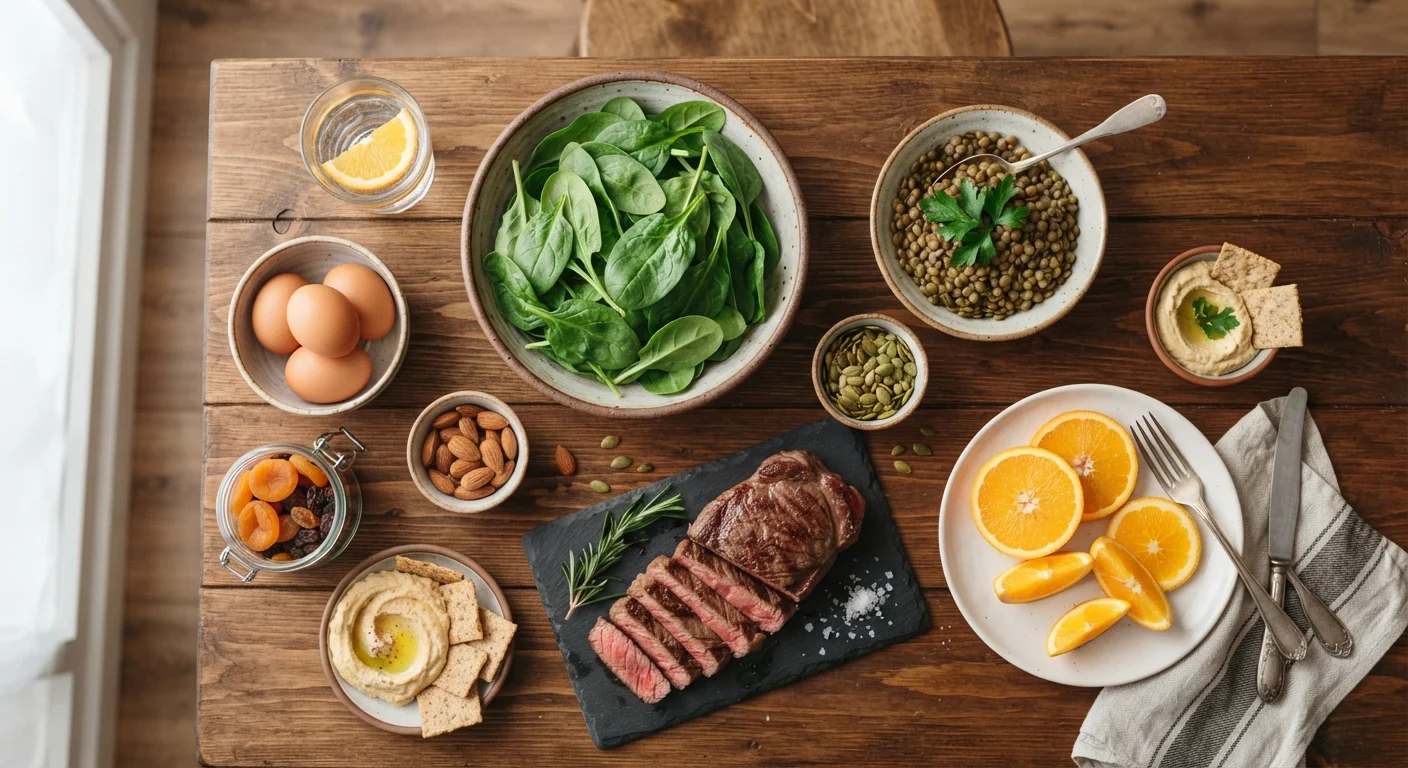
Photo: CoralScripts.com | Explore, Discover, Engage editorial
—— In This Article
Key Takeaways
- Iron from animal sources (heme iron) is absorbed more efficiently than iron from plant sources (non-heme iron).
- Vitamin C consumed in the same meal can significantly enhance non-heme iron absorption.
- Tannins in tea and coffee, and calcium from dairy, can inhibit iron absorption when consumed together.
- Cooking methods and food preparation techniques can meaningfully change iron availability.
- People with higher physiological iron needs - including those who are pregnant or menstruating - may benefit most from understanding these interactions.
- Consult a qualified healthcare professional before making major dietary changes or considering iron supplementation.
Two Types of Iron, Two Very Different Absorption Stories
Not all dietary iron behaves the same way in the body. Heme iron - found in meat, poultry, and fish - is structurally bound to hemoglobin and myoglobin proteins and enters intestinal cells via a dedicated transport pathway. This makes it relatively resistant to interference from other dietary compounds, with absorption rates estimated between 15% and 35%.
Non-heme iron, found in legumes, leafy greens, fortified cereals, and eggs, follows a different route. It must first be converted from its oxidized (ferric) form to its reduced (ferrous) form before absorption can occur. This conversion is influenced by stomach acidity and is vulnerable to competition from numerous other dietary compounds. The result is a highly variable absorption rate - typically between 2% and 20% - that rises and falls depending on what else is in the meal.
Understanding this distinction is foundational. It explains why someone eating adequate total iron may still develop low iron status, and why dietary strategies matter differently for omnivores versus plant-based eaters. For a broader look at how nutrient interactions complicate dietary planning, see how nutrients compete and cooperate.
2-20%
Absorption rate for non-heme iron
Non-heme iron absorption varies widely based on co-ingested enhancers and inhibitors, compared to a more stable 15-35% for heme iron, per established nutritional research.
~10%
Average dietary iron absorbed overall
The World Health Organization estimates that across mixed diets, only around 10% of total dietary iron intake is absorbed, underlining the importance of bioavailability factors.
3x
Potential increase in non-heme iron absorption with vitamin C
Some controlled studies suggest vitamin C consumed in the same meal can increase non-heme iron absorption by up to threefold, depending on the baseline inhibitor load.
The Enhancers: What Helps Iron Reach Your Bloodstream
Vitamin C (ascorbic acid) is the most robustly studied iron absorption enhancer. It works through two mechanisms: reducing ferric iron to the more absorbable ferrous form, and forming a chelate complex with iron that resists binding by inhibitors. Studies suggest that consuming 25-75 mg of vitamin C in the same meal as a plant-based iron source can meaningfully increase absorption - though the precise benefit varies by individual iron status and the specific meal composition.
Meat, poultry, and fish exert what researchers call the "meat factor" - a still-incompletely understood effect where the presence of these proteins enhances non-heme iron absorption from other foods in the same meal. This is relevant for flexitarian or low-meat eaters who include small amounts of animal protein strategically.
Cooking and food preparation also play a role. Soaking and sprouting legumes can reduce their phytate content (a known inhibitor), and fermenting grains - as in sourdough bread - degrades phytates through bacterial activity, making iron more accessible. Even mildly acidic cooking environments can help maintain iron in its more absorbable ferrous state.
Pair Your Plant Iron With Vitamin C
A practical strategy for improving non-heme iron absorption is to include a vitamin C-rich food in the same meal as your plant-based iron source. Think citrus segments with lentil salad, or tomato sauce over fortified pasta. This simple pairing doesn't require supplements - whole foods with naturally high vitamin C content achieve the same effect.
The Inhibitors: Common Dietary Compounds That Block Iron Uptake
Phytates (phytic acid) are found in whole grains, legumes, nuts, and seeds. They bind strongly to non-heme iron in the gut, forming insoluble complexes that the body cannot absorb. Phytates are among the most potent inhibitors of iron bioavailability, which is why plant-heavy diets require thoughtful planning.
Polyphenols and tannins - present in tea, coffee, red wine, and certain vegetables - similarly bind non-heme iron. The inhibitory effect of a single cup of tea consumed with a meal can be substantial. Spacing these beverages away from iron-rich meals is a practical mitigation strategy.
Calcium is unusual in that it inhibits both heme and non-heme iron absorption, unlike most other inhibitors that affect only non-heme iron. Dairy products and calcium supplements taken simultaneously with iron-rich foods may reduce uptake. This is especially relevant for people managing both calcium and iron needs - including adolescents and pregnant individuals, who should work with a healthcare provider to optimize both.
Those following plant-based diets face the compounded challenge of relying on non-heme iron while consuming higher amounts of phytate-rich foods. Our article on plant-based nutrition and nutrients that need extra attention explores this and related considerations in depth.
Physiology, Iron Status, and Individual Variability
The body is not passive in iron absorption. A regulatory protein called hepcidin, produced by the liver, governs how much iron enters the bloodstream by controlling intestinal iron transporters. When iron stores are low, hepcidin levels drop, signaling the gut to absorb more. When stores are sufficient or during inflammation, hepcidin rises, dampening absorption regardless of dietary intake.
This means iron absorption is partly self-regulating - someone with depleted iron stores will absorb a higher proportion of dietary iron than someone with adequate stores. However, this regulation has limits, and chronic dietary patterns, gut health conditions, and systemic inflammation can all interfere with the system.
Conditions such as celiac disease or Crohn's disease damage the intestinal lining and can impair iron absorption structurally. Medications that reduce stomach acid - including proton pump inhibitors - can also reduce iron absorption by limiting the acidic environment needed to convert ferric to ferrous iron.
For those considering supplementation, the evidence landscape is nuanced. Our overview of what the evidence actually supports on vitamin supplements provides helpful context. Iron supplementation in particular should be guided by confirmed deficiency through blood testing, as excess iron carries its own health risks.
This article is for general informational purposes only and does not constitute medical or nutritional advice. If you have concerns about iron status, symptoms of deficiency, or are considering supplementation, consult a qualified healthcare professional.
“Iron deficiency remains the most common nutritional deficiency worldwide, and in many cases the problem is not a lack of iron in the diet but a failure to absorb it effectively - shaped by the full context of what people eat and how their guts function.”
— World Health Organization, Global authority on public health and nutrition
Frequently Asked Questions

Health & Wellness Editorial Team
Health & Wellness Editorial Team is the collective byline for our editorial team and contributor network. Articles published under this byline or an editorial pen name are researched, written, and reviewed according to our editorial standards for clarity, consistency, and independence before publication.
View author profile