
Plant-Based Nutrition: Nutrients That Deserve Extra Attention
A clear-eyed look at the nutrients — B12, omega-3s, zinc, iodine, and more — that may need deliberate planning on a predominantly plant-based diet.
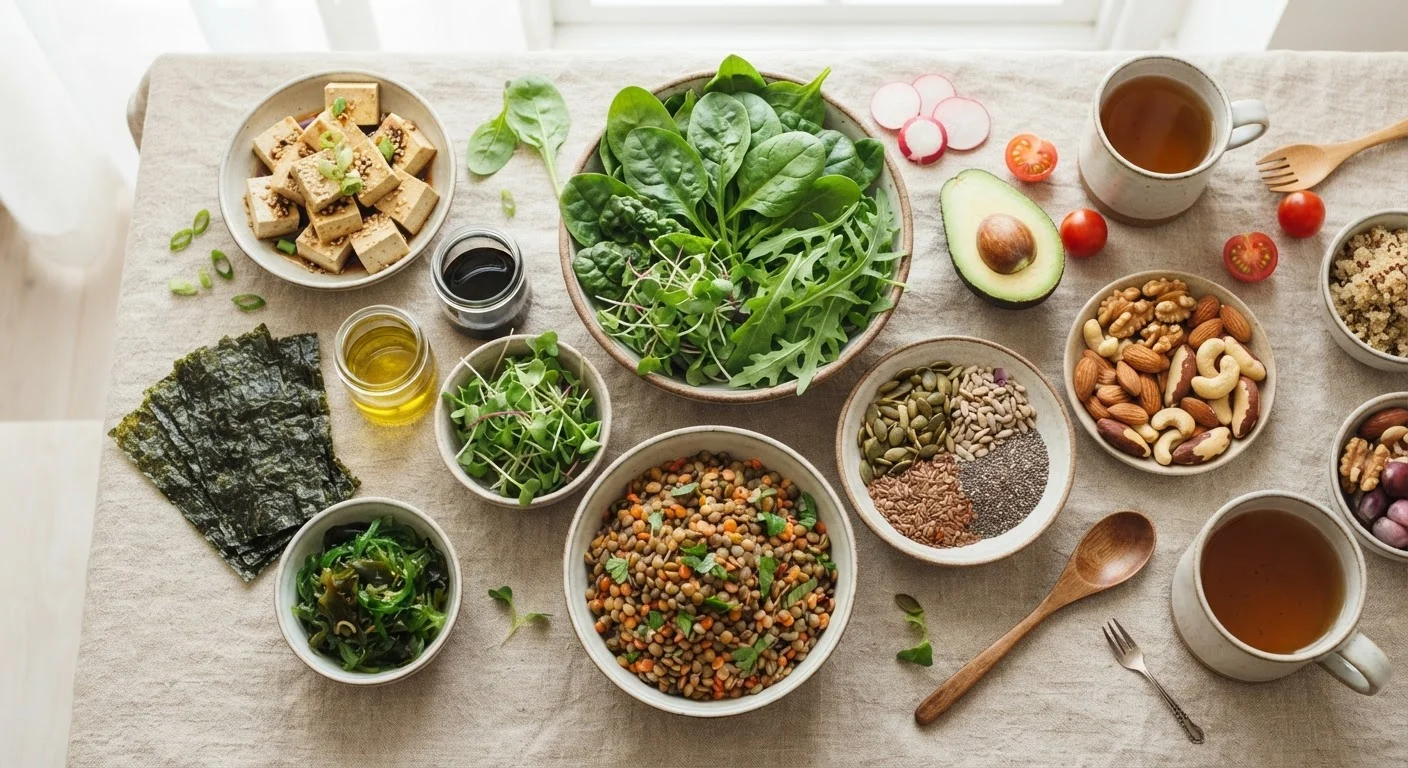
Photo: CoralScripts.com | Explore, Discover, Engage editorial
—— In This Article
Key Takeaways
- Vitamin B12 is not reliably available from plant foods and typically requires supplementation.
- Non-heme iron from plants is less bioavailable than heme iron; pairing with vitamin C helps absorption.
- Long-chain omega-3s (EPA and DHA) are found in algae, the original marine source.
- Zinc, iodine, calcium, and vitamin D each deserve deliberate planning on plant-forward diets.
- Bloodwork and professional guidance are the most reliable way to identify and address personal gaps.
Why Plant-Based Diets Create Specific Nutritional Considerations
Plant-based eating patterns - whether fully vegan, vegetarian, or predominantly whole-food and plant-forward - are associated with a range of health benefits supported by substantial research, including lower rates of certain chronic diseases. That said, eliminating or minimizing animal products removes some of the most concentrated or bioavailable sources of particular nutrients. This is not a reason to avoid plant-based diets; it is a reason to approach them with clarity and intention.
The checklist below covers the nutrients that nutrition scientists and registered dietitians most frequently flag for people eating plant-based diets. It is organized into two phases: understanding your baseline, and building habits that address common gaps. Before making significant dietary changes - especially during pregnancy, for children, or if you have a chronic health condition - consult a qualified healthcare professional. For a broader view of how nutrient needs shift across different life stages, see how nutritional requirements change over the life span.
Establish Your Baseline
Vitamin B12
Iron
Omega-3 Fatty Acids
Calcium, Iodine, Zinc & Vitamin D
Understanding the Nutrients That Need the Most Attention
Vitamin B12
B12 is produced by microorganisms, not plants, and no whole plant food reliably provides adequate amounts. Deficiency can develop slowly but carries serious consequences for neurological and blood health. Fortified foods (certain plant milks, nutritional yeast, breakfast cereals) or a supplement are the recognized solutions. For a deeper look at B12 alongside the rest of the B vitamin family, see the B vitamin family reference guide.
Iron
Plants contain non-heme iron, which the body absorbs at a lower rate than the heme iron in meat. Legumes, tofu, tempeh, pumpkin seeds, fortified grains, and dark leafy greens are good plant sources. Pairing them with vitamin C-rich foods and avoiding high-tannin beverages (tea, coffee) around iron-rich meals can meaningfully improve uptake. Iron absorption is influenced by many dietary factors worth understanding in detail.
Omega-3 Fatty Acids
Alpha-linolenic acid (ALA) is found in flaxseed, chia, hemp seeds, and walnuts. However, conversion of ALA to the long-chain forms EPA and DHA - which are important for cardiovascular and brain health - is limited in most people. Algae-derived omega-3 supplements provide EPA and DHA directly, bypassing this conversion bottleneck, since algae is the primary source from which fish accumulate these fats.
Zinc, Iodine, and Calcium
Zinc is present in legumes, nuts, seeds, and whole grains, but phytates in these foods reduce bioavailability. Soaking, sprouting, or fermenting legumes and grains can lower phytate content. Iodine is particularly easy to overlook: seaweed provides it in highly variable amounts, and iodized salt is often reduced in whole-food plant diets. Those relying on non-iodized sea salt or avoiding salt need a reliable iodine source. Calcium deserves attention when dairy is excluded - fortified plant milks, calcium-set tofu, edamame, bok choy, and white beans are practical sources. Check labels carefully; reading nutrition facts labels with confidence can help you evaluate fortified products accurately.
Iodine Is Easy to Overlook
Many whole-food plant eaters reduce or eliminate iodized salt and replace it with non-iodized sea salt or Himalayan salt, which contain negligible iodine. At the same time, seaweed iodine content varies so widely that it cannot serve as a predictable daily source. Iodine deficiency affects thyroid function and is particularly serious during pregnancy. Discuss a reliable source - whether iodized salt used in cooking or a supplement - with your healthcare provider.
Pregnancy and Plant-Based Diets Require Extra Planning
Nutritional needs during pregnancy increase substantially, and several nutrients critical for fetal development - including B12, iodine, DHA, iron, and folate - require careful attention on plant-based diets. Individuals who are pregnant or planning to become pregnant should work closely with an obstetrician and registered dietitian to ensure all requirements are met safely.
Vitamin D
Vitamin D synthesis from sun exposure varies widely by latitude, season, skin tone, and time outdoors. Few foods - plant-based or otherwise - provide meaningful amounts without fortification. Many healthcare providers recommend testing serum 25(OH)D levels and supplementing if levels are insufficient, regardless of dietary pattern. This applies broadly, not only to plant-based eaters.
Because evidence quality in nutrition varies considerably, it helps to know how to evaluate nutrition information you can trust before acting on any single source or headline.

Health & Wellness Editorial Team
Health & Wellness Editorial Team is the collective byline for our editorial team and contributor network. Articles published under this byline or an editorial pen name are researched, written, and reviewed according to our editorial standards for clarity, consistency, and independence before publication.
View author profile