
Antioxidants: Separating Established Biology From the Marketing Narrative
Antioxidants have a solid scientific foundation — and an overhyped reputation. Explore what the research actually says about their role in diet and cellular health.
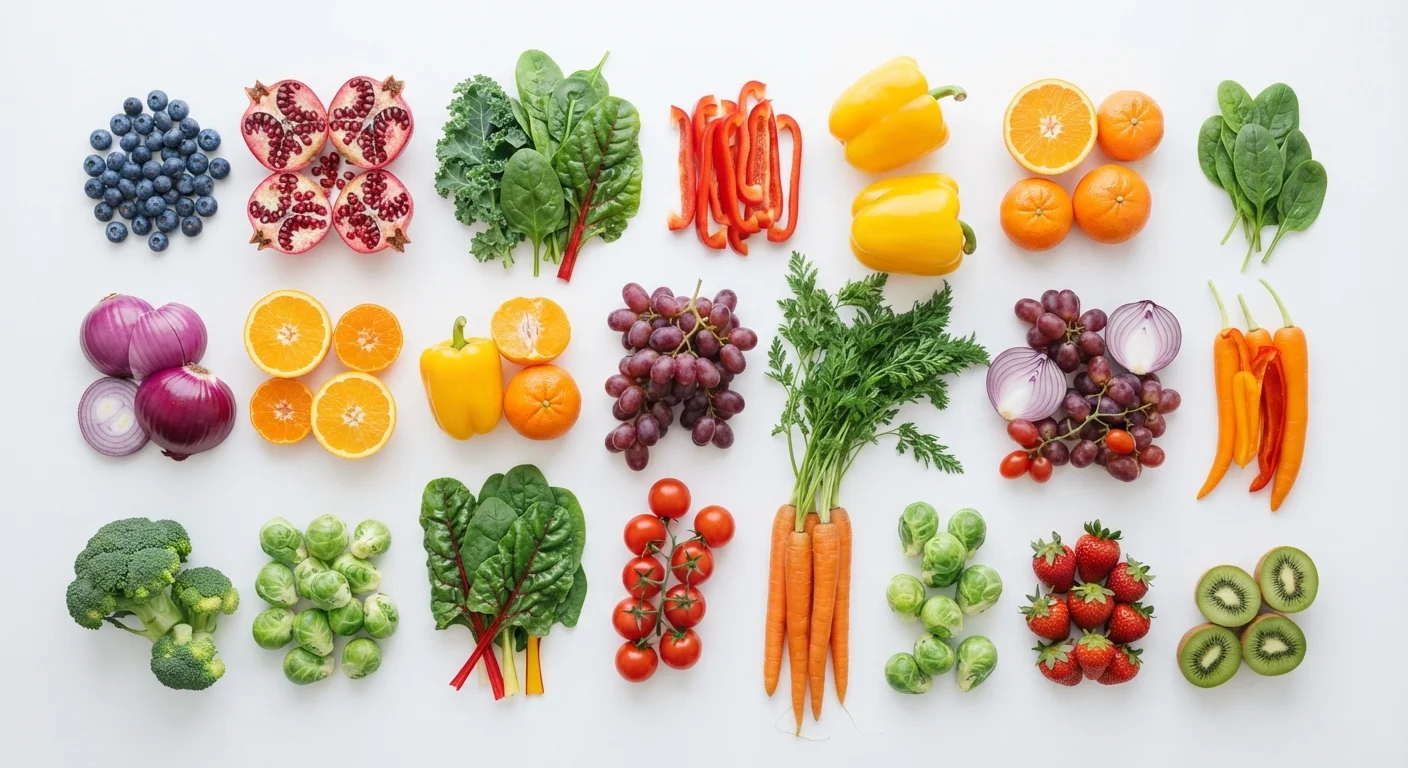
Photo: CoralScripts.com | Explore, Discover, Engage editorial
—— In This Article
Key Takeaways
- Antioxidants neutralize free radicals, reducing oxidative stress - a process with genuine biological importance.
- Diets rich in whole plant foods consistently correlate with better health outcomes in observational research.
- High-dose antioxidant supplements have not reliably replicated the benefits seen from dietary sources.
- Some antioxidant supplements have shown harmful effects at high doses in certain populations.
- Context matters: the body also needs controlled levels of free radicals for immune function and cell signaling.
- Consult a healthcare professional before using antioxidant supplements, especially if managing a health condition.
The Biology Behind the Buzzword
Free radicals are a natural byproduct of metabolism. Every time a cell converts oxygen into energy, unstable molecules are produced as a byproduct. Environmental exposures - ultraviolet radiation, tobacco smoke, air pollution - generate them too. Left unchecked, free radicals can oxidize DNA, cell membranes, and proteins, contributing to cellular aging and dysfunction. This process is called oxidative stress.
The body has evolved its own antioxidant defense systems - enzymes such as superoxide dismutase and glutathione peroxidase work continuously to keep oxidative stress in check. Dietary antioxidants, including vitamin C, vitamin E, and plant polyphenols, supplement these internal defenses. That biological reality is well-established and not in dispute.
What is less settled is whether consuming more antioxidants - particularly through concentrated supplements - translates into measurable health protection in otherwise healthy adults. The gap between the lab bench and clinical outcomes is where much of the confusion originates.
Free Radicals Are Not Purely Harmful
It is tempting to frame free radicals as purely destructive, but the body produces them intentionally for important functions - including immune responses that destroy pathogens and cellular signaling that regulates growth. The goal of a healthy diet is not to eliminate oxidative activity but to maintain a balance. This nuance is frequently lost in popular health communication about antioxidants.
Where the Evidence Is Strong
Decades of epidemiological research consistently link diets high in fruits, vegetables, whole grains, and legumes with lower rates of cardiovascular disease, certain cancers, and all-cause mortality. These foods are rich in antioxidant compounds, and for a long time researchers assumed antioxidants were the active ingredient responsible for the benefit.
That assumption has proven to be an oversimplification. Whole plant foods contain thousands of bioactive compounds - fiber, phytosterols, vitamins, minerals, and polyphenols - that interact in ways science is still mapping. The benefit likely arises from the entire dietary pattern, not a single molecular class. This distinction matters significantly when evaluating supplement claims.
~4,000+
Flavonoid compounds identified in plants
Researchers have catalogued thousands of distinct plant polyphenols with antioxidant activity, underscoring why replicating a whole-food diet with isolated supplements is chemically complex.
No benefit shown
Antioxidant supplements and cancer prevention in major trials
Systematic reviews of large randomized controlled trials, including Cochrane analyses, have generally found no reduction in cancer mortality from antioxidant supplement use in the general population.
For specific populations with documented deficiencies, replenishing key micronutrients with antioxidant properties - vitamin C in scurvy, vitamin E in conditions affecting fat absorption - has clear clinical support. That is categorically different from taking high-dose antioxidants as a general health strategy. For a broader look at where supplementation does and does not have evidence behind it, see our overview of vitamin supplement evidence.
Where the Marketing Runs Ahead of the Science
The antioxidant market grew dramatically following early observational studies suggesting protective effects. Products labeled with antioxidant content or ORAC scores flooded the market. The problem: controlled clinical trials have repeatedly failed to confirm that isolated antioxidant supplements produce the health benefits observed in dietary studies.
Several high-profile trials are instructive. The ATBC (Alpha-Tocopherol, Beta-Carotene Cancer Prevention) trial found that high-dose beta-carotene supplementation increased lung cancer risk in male smokers. The SELECT trial found that vitamin E supplementation did not prevent prostate cancer and was associated with a modest increase in risk. These outcomes do not mean antioxidants are harmful in food form - they illustrate that isolated high-dose supplementation behaves differently than nutrients embedded in whole foods.
The body also requires free radicals for critical functions: killing pathogens, regulating cell growth signals, and driving exercise adaptations. Flooding the system with antioxidant supplements may blunt these necessary processes. This is sometimes called the antioxidant paradox - more is not always better.
Understanding how nutrition language is used to create impressions of health benefit is worth developing as a skill. Our piece on misleading nutrition claims and the language behind them offers useful context for reading food and supplement labels critically.
Focus on Food Variety, Not Supplement Scores
Rather than optimizing for ORAC scores or antioxidant content labels, nutrition researchers generally recommend emphasizing variety and color across whole plant foods - fruits, vegetables, legumes, nuts, and whole grains. This approach delivers a broad spectrum of compounds whose interactions appear to underpin the benefits seen in long-term dietary research. No single supplement currently replicates that complexity.
Practical Takeaways for an Informed Reader
The scientific picture on antioxidants is not a reason for cynicism - it is a reason for precision. The evidence strongly supports eating a varied, plant-forward diet as part of overall health. It does not support the idea that any antioxidant supplement can substitute for that dietary pattern or deliver equivalent protection in pill form.
When evaluating antioxidant claims on products, it helps to ask: Is the evidence from whole-food dietary studies or from supplement trials? Is the study in humans or cell cultures? Is the benefit an association or a demonstrated causal effect? These questions are explored in depth in our guide on evaluating nutrition information you can actually trust.
Nutrients also rarely act in isolation. Vitamin C, for example, regenerates oxidized vitamin E - a nutrient interaction that supplements containing only one compound cannot replicate. Our related article on how nutrient interactions complicate isolated supplement advice explores this complexity further.
This article is for general informational and educational purposes only and does not constitute medical advice. Consult a qualified healthcare professional before making changes to your diet or supplement regimen, particularly if you have an existing health condition or take medications.
Frequently Asked Questions

Health & Wellness Editorial Team
Health & Wellness Editorial Team is the collective byline for our editorial team and contributor network. Articles published under this byline or an editorial pen name are researched, written, and reviewed according to our editorial standards for clarity, consistency, and independence before publication.
View author profile