
Misleading Nutrition Claims and the Language Behind Them
Terms like 'natural', 'fortified', and 'low-fat' carry specific regulatory meanings — or sometimes none at all. Learn to interpret food marketing with a critical eye.
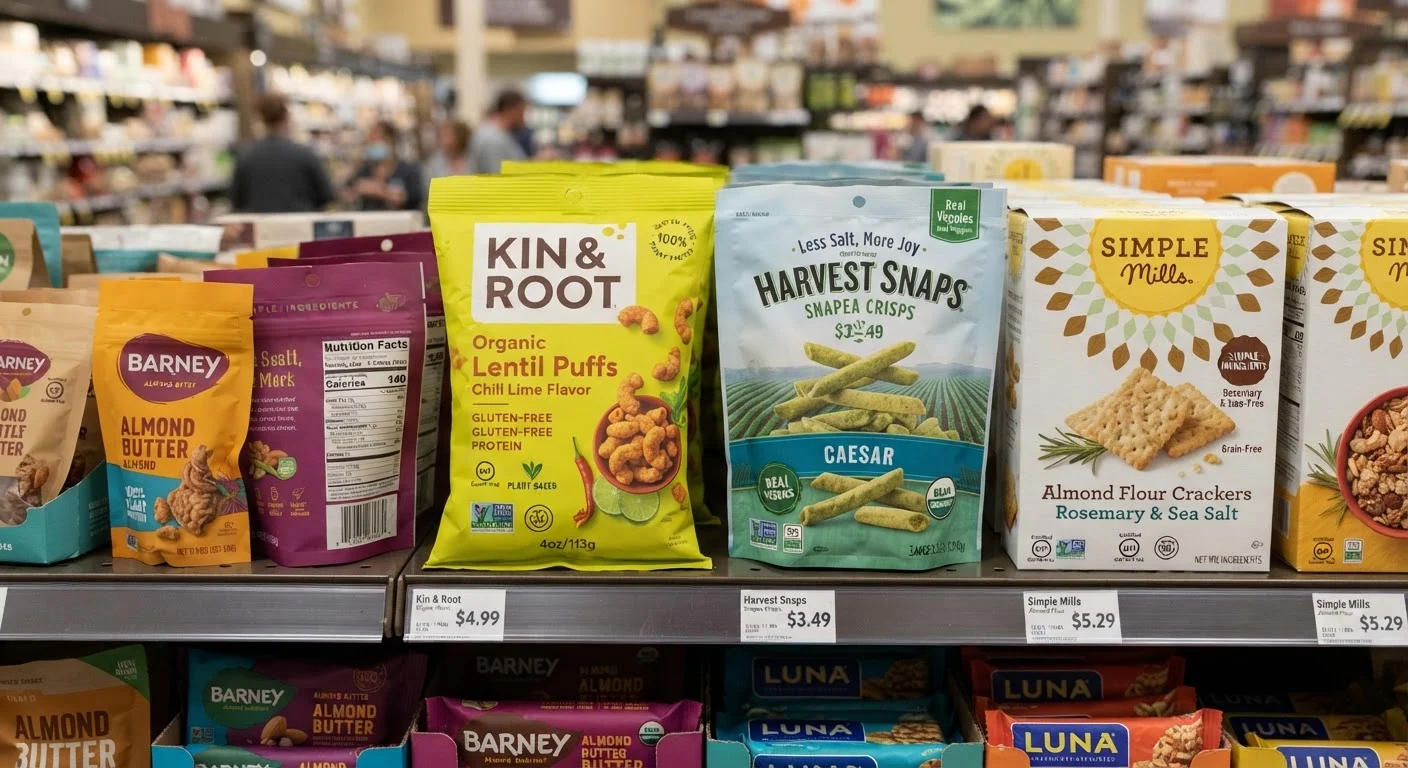
Photo: CoralScripts.com | Explore, Discover, Engage editorial
—— In This Article
Key Takeaways
- Terms like 'natural' and 'superfood' have no binding legal definition under FDA regulations.
- Low-fat products frequently compensate with added sugars, starch, or sodium to restore palatability.
- 'Fortified' and 'enriched' are not interchangeable - they describe different nutritional modification processes.
- Health claims on packaging require FDA authorization; structure/function claims face a much lower bar.
- Understanding label language helps consumers evaluate products beyond the front-of-package marketing.
Why Food Marketing Language Deserves Scrutiny
Walk through any grocery store and you'll encounter a dense vocabulary of nutrition claims: light, clean, wholesome, immune-supporting, zero sugar. Some of these terms carry precise regulatory definitions enforced by the U.S. Food and Drug Administration (FDA). Others are essentially unregulated marketing language - chosen for emotional resonance rather than nutritional accuracy.
The gap between those two categories is wide, and bridging it requires understanding which claims are legally constrained and which are not. This matters because front-of-package claims are specifically designed to influence purchasing decisions, and they don't always align with what the Nutrition Facts label reveals on the back. See our practical walkthrough of every section of a nutrition facts label for a side-by-side comparison of what the fine print actually tells you.
Myth
If a food is labeled 'natural,' it has been minimally processed and is free of artificial ingredients.
Fact
The FDA has not established a formal regulatory definition for 'natural' on food labels, meaning manufacturers apply it inconsistently.
As of the time of writing, the FDA has stated it does not object to the use of 'natural' when a food does not contain added color, artificial flavors, or synthetic substances - but this is informal guidance, not enforceable regulation. Products labeled 'natural' may still contain high-fructose corn syrup, be heavily processed, or contain ingredients many consumers would not consider natural. The term is not a reliable indicator of nutritional quality, production method, or ingredient simplicity.
Myth
Low-fat and reduced-fat products are healthier choices because fat is the primary driver of excess calorie intake.
Fact
Removing fat from foods often requires adding sugar, starch, or salt to preserve texture and taste, which can offset any nutritional benefit.
Under FDA rules, 'low fat' means a product contains 3 grams of fat or fewer per serving - a precise and enforceable definition. However, that definition says nothing about added sugars or overall calorie count. Research has consistently shown that many reformulated low-fat products contain significantly more added sugar than their standard counterparts. Dietary fat itself is not uniformly harmful; the type of fat and the overall dietary pattern matter considerably more than fat content alone. Comparing the full Nutrition Facts panel - not just the front label - provides a more accurate picture.
Myth
'Fortified' and 'enriched' both mean extra vitamins have been added to a food, so the terms are effectively interchangeable.
Fact
These terms describe distinct processes: enrichment restores nutrients lost during processing, while fortification adds nutrients not originally present.
Enrichment applies specifically to refined grain products - when whole grains are milled into white flour, B vitamins and iron are stripped away; enrichment adds those specific nutrients back, often at levels approximating the original. Fortification is a broader process: adding vitamin D to milk, iodine to salt, or folic acid to cereals introduces nutrients the food did not naturally contain in significant amounts. Neither process makes a food nutritionally equivalent to its whole, unprocessed form. Understanding this distinction is relevant when evaluating how micronutrients interact with overall diet quality.
Myth
If a package says a food 'supports' a health function - such as heart health or immunity - that claim has been reviewed and verified by the FDA.
Fact
Structure/function claims require only manufacturer notification to the FDA, not pre-market review or approval.
This is among the most widely misunderstood aspects of food labeling. Structure/function claims must include a disclaimer - typically in small print - stating that the claim has not been evaluated by the FDA and that the product is not intended to diagnose, treat, cure, or prevent disease. In practice, this disclaimer is often overlooked. Consumers who assume that any health-related statement on packaging has been independently reviewed are likely overestimating the regulatory scrutiny involved. The limits of applying population-level reference figures to individuals further illustrates how regulatory numbers can be misread as personal prescriptions.
Myth
A food labeled 'zero sugar' contains no sweeteners and will not affect blood sugar.
Fact
'Zero sugar' means less than 0.5 grams of sugar per serving, but products may still contain sugar alcohols, artificial sweeteners, or refined starches.
FDA regulations permit 'zero sugar' labeling when a product contains less than 0.5 grams of sugars per serving - not necessarily zero. Additionally, the label refers specifically to sugar (sucrose and similar simple sugars), not to all sweetening agents. Sugar alcohols such as erythritol or maltitol, and artificial sweeteners like sucralose, are not captured by the sugar count. Some refined starches also convert to glucose during digestion, affecting glycemic response. Individuals managing blood glucose, particularly those with diabetes or prediabetes, should not rely on front-of-package claims and are encouraged to consult a healthcare provider for individualized guidance.
The Regulatory Divide: Authorized Claims vs. Unverified Language
The FDA distinguishes between several categories of food claims, and the distinction is consequential. Health claims - statements linking a food or nutrient to a reduced risk of disease - must receive FDA authorization based on significant scientific agreement. An example would be the established relationship between dietary sodium and blood pressure. These claims are relatively rare on packaging precisely because the evidence bar is high.
Structure/function claims, by contrast, describe a nutrient's role in normal body function without referencing disease. Phrases like calcium builds strong bones or vitamin C supports immune function fall into this category. Manufacturers are not required to obtain FDA approval for these claims - they only need to notify the agency and include a disclaimer that the statement has not been evaluated by the FDA. This creates a substantial loophole: a product can appear medically credible while making claims that have never been independently reviewed.
For a deeper look at how to evaluate the underlying research behind nutrition headlines, the guide to assessing trustworthy nutrition information offers a useful framework.
~60%
U.S. grocery store items carry front-of-package claims
Research published in nutrition and food policy journals has estimated that the majority of packaged foods in U.S. retail carry at least one nutrient or health-related claim on the front of the package.
0
FDA pre-market reviews required for structure/function claims
Unlike authorized health claims, structure/function claims on conventional foods and dietary supplements do not require FDA pre-approval - only post-market notification.
Correcting the Most Persistent Label Myths
Several specific claims appear so frequently that many consumers accept them as reliable quality signals. The myth-and-fact breakdowns above address the most consequential of these. A few additional points are worth noting:
- "Organic" is one of the more tightly regulated front-of-package terms - the USDA's National Organic Program sets defined production standards. However, organic certification speaks to how a food was produced, not to its overall nutritional profile or caloric content.
- "Whole grain" claims can appear on products where whole grain is present in only small amounts. Look for "100% whole grain" or check whether a whole grain ingredient is listed first on the ingredient label.
- "Antioxidant-rich" claims are common but inconsistently meaningful. The underlying biology of antioxidants is well-established; whether a specific packaged product delivers meaningful antioxidant activity in context is a different question. Separating antioxidant science from marketing is explored in more depth separately.
Front-of-Package Claims Are Not a Substitute for the Label
Regulatory oversight of front-of-package nutrition language is uneven. Some terms have enforceable definitions; others do not. Before drawing conclusions about a product's nutritional value, compare the Nutrition Facts panel and the full ingredient list against the front-of-package claim. If you are managing a specific health condition, a registered dietitian can help you interpret this information in the context of your individual needs.
This article is for general informational and educational purposes only and does not constitute medical or dietary advice. Consult a qualified healthcare professional or registered dietitian for guidance specific to your individual health needs.

Health & Wellness Editorial Team
Health & Wellness Editorial Team is the collective byline for our editorial team and contributor network. Articles published under this byline or an editorial pen name are researched, written, and reviewed according to our editorial standards for clarity, consistency, and independence before publication.
View author profile