
Why Skipping Oil Changes Costs More Than You Think
Delaying oil changes doesn't just risk engine wear — it can trigger a chain of damage. Here's what actually happens inside the engine over time.
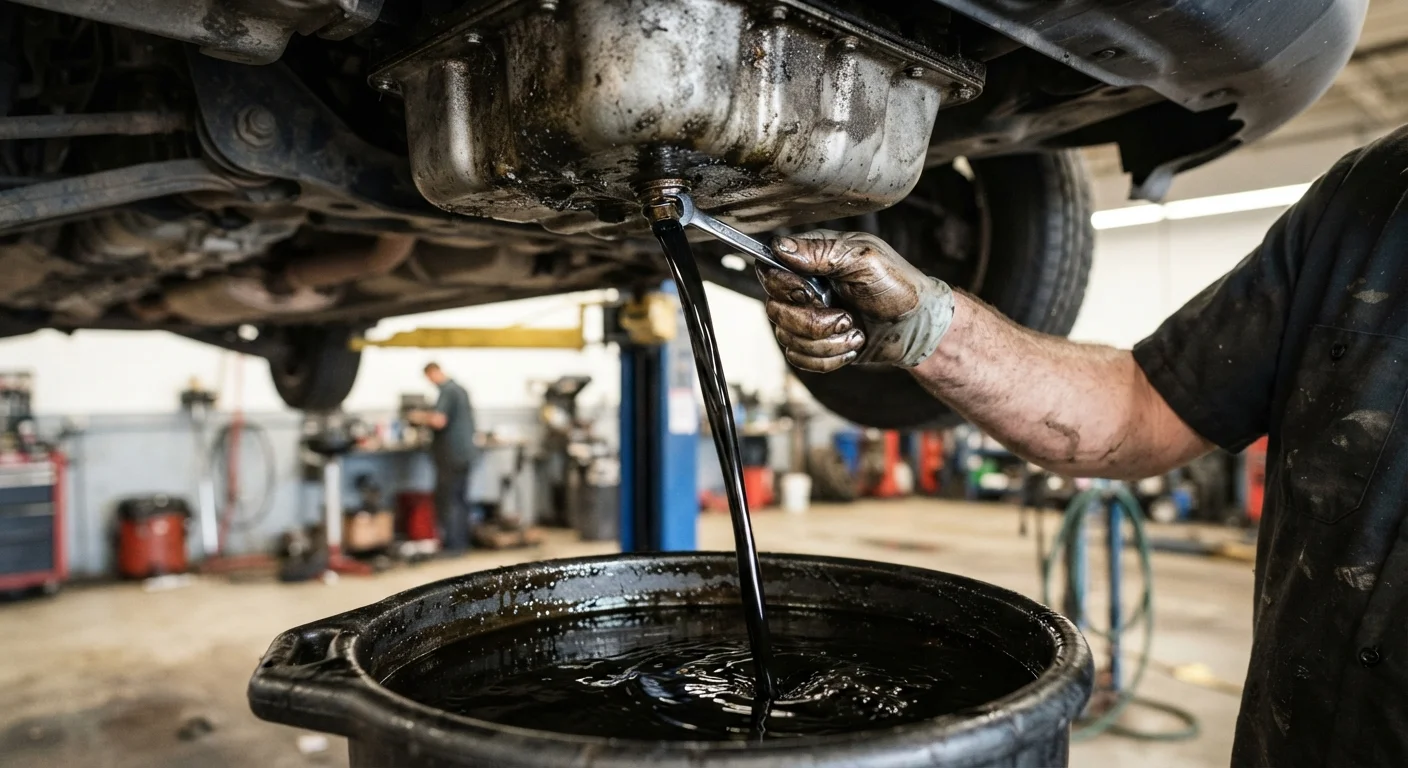
Photo: CoralScripts.com | Explore, Discover, Engage editorial
—— In This Article
Key Takeaways
- Skipping oil changes allows heat, friction, and contaminants to accelerate engine wear significantly.
- Degraded oil turns acidic and abrasive, attacking metal surfaces that fresh oil would protect.
- A single neglected interval rarely causes instant failure - cumulative damage builds silently over time.
- Engine repair costs from oil neglect can easily exceed hundreds of times the cost of a routine change.
- Manufacturer-specified intervals, not folklore, should determine when you change your oil.
What Happens Inside the Engine When Oil Ages
Motor oil does three essential jobs: it lubricates moving metal surfaces to reduce friction, carries heat away from critical components, and suspends contaminants so they can be trapped by the filter. As oil ages, each of these functions degrades in measurable ways.
Oxidation causes the base oil molecules to break down, forming sludge and varnish deposits that restrict oil passages. Additive packages - including detergents, dispersants, and anti-wear compounds - deplete progressively. By the time oil turns visibly black and gritty, it has been working in a compromised state for some time. The damage accumulates quietly well before any warning light appears.
Acidic byproducts from combustion that make it past the piston rings are neutralized by fresh oil's alkaline additives. Once those additives are exhausted, the acid remains in circulation, etching bearing surfaces and cylinder walls. This is one reason that skipping even a single interval in a high-stress engine - one that runs hot, tows frequently, or sees a lot of cold short-trip driving - carries disproportionate risk. See why preventive maintenance prevents compounding costs for a broader look at this dynamic.
$4,000-$8,000+
Typical engine rebuild or replacement cost
Industry repair data consistently shows that internal engine damage from lubrication failure - a preventable outcome - ranks among the most expensive drivetrain repairs an owner will face.
75%
Engine wear occurring at cold start
Engineering studies on engine lubrication indicate that the majority of wear occurs in the first moments after ignition, before oil fully circulates - making oil viscosity and condition especially critical.
The Most Costly Mistakes Oil-Change Procrastinators Make
Most engine damage from oil neglect isn't the result of a single dramatic lapse - it's the product of repeated small deferrals that compound over tens of thousands of miles. The mistakes below reflect patterns seen across owner forums, repair shops, and warranty claim data alike.
Treating the 3,000-mile interval as a universal rule regardless of the vehicle or oil type.
Why it happens: The 3,000-mile guideline originated decades ago when conventional oil and engine tolerances made it appropriate. Many owners still follow it out of habit or because quick-lube shops promote it.
Ignoring the oil change interval during periods of low mileage or infrequent driving.
Why it happens: Owners who drive rarely assume low mileage means the oil stays fresh. In reality, short trips, moisture accumulation, and idle time degrade oil chemistry regardless of miles driven.
Not checking oil level between scheduled changes and assuming the system will warn you in time.
Why it happens: Modern vehicles with oil life monitors create a false sense of security. Owners trust the dashboard and skip manual checks, unaware that consumption or leaks can drop oil to dangerous levels before any alert triggers.
Continuing to drive after the oil pressure or oil life warning light illuminates.
Why it happens: Some drivers treat dashboard warnings as suggestions or assume the vehicle will continue operating normally. Oil pressure loss, in particular, can destroy engine bearings within minutes.
Using the wrong viscosity or oil specification for the engine and climate.
Why it happens: Owners sometimes use whatever oil is on sale or available without checking the specification. An incorrect viscosity can fail to flow properly at cold start or thin out too much under high heat.
Neglect Voids Powertrain Warranties
Most manufacturer powertrain warranties require documented proof of oil changes performed at or before specified intervals. If an engine fails and service records cannot confirm timely maintenance, the warranty claim can be denied outright. Keep dated receipts or a maintenance log - not just for mechanical reasons, but for legal and financial protection.
Understanding why these mistakes happen is as important as knowing what to do instead. Many stem from outdated advice, misplaced trust in dashboard systems, or simply the human tendency to defer maintenance that doesn't feel urgent. For a broader look at persistent automotive misconceptions, read our overview of car maintenance myths.
How Deferred Oil Changes Escalate Into Major Repairs
The financial argument for timely oil changes is straightforward once the repair chain is mapped out. Degraded oil leads to increased friction, which accelerates wear on camshaft lobes, lifters, piston rings, and crankshaft bearings. Worn rings allow more combustion gases into the crankcase - a condition called blow-by - which further contaminates and thins the oil. The cycle accelerates.
Oil Life Monitors Aren't Infallible
Many modern vehicles use an oil life monitoring system that calculates remaining oil life based on driving conditions rather than mileage alone. While these systems are generally reliable, they do not account for oil leaks, burning oil, or contamination from coolant intrusion. Always confirm actual oil level and condition on the dipstick periodically - the monitor is a useful guide, not a substitute for a visual check.
Sludge buildup can block the oil pickup tube, starving the pump of oil entirely. At that point, bearing failure and scored cylinder walls become likely outcomes. Rebuilding or replacing an engine is among the most expensive repairs a vehicle can require - and in many cases, a car's book value doesn't justify the cost, effectively writing off an otherwise functional vehicle.
The math is unambiguous: routine oil service costs a fraction of what a single major engine repair demands. For a detailed look at how deferred maintenance across all systems compounds into larger bills, see The Hidden Costs of Deferred Car Maintenance. If your vehicle is accumulating miles, maintenance priorities shift as mileage climbs - and oil quality becomes even more critical in high-mileage engines where tolerances have loosened.

Cars & Driving Editorial Team
Cars & Driving Editorial Team is the collective byline for our editorial team and contributor network. Articles published under this byline or an editorial pen name are researched, written, and reviewed according to our editorial standards for clarity, consistency, and independence before publication.
View author profile