
Car Maintenance From the First Year of Ownership
Everything a first-time car owner needs to know about routine upkeep, service intervals, and building good maintenance habits from day one.
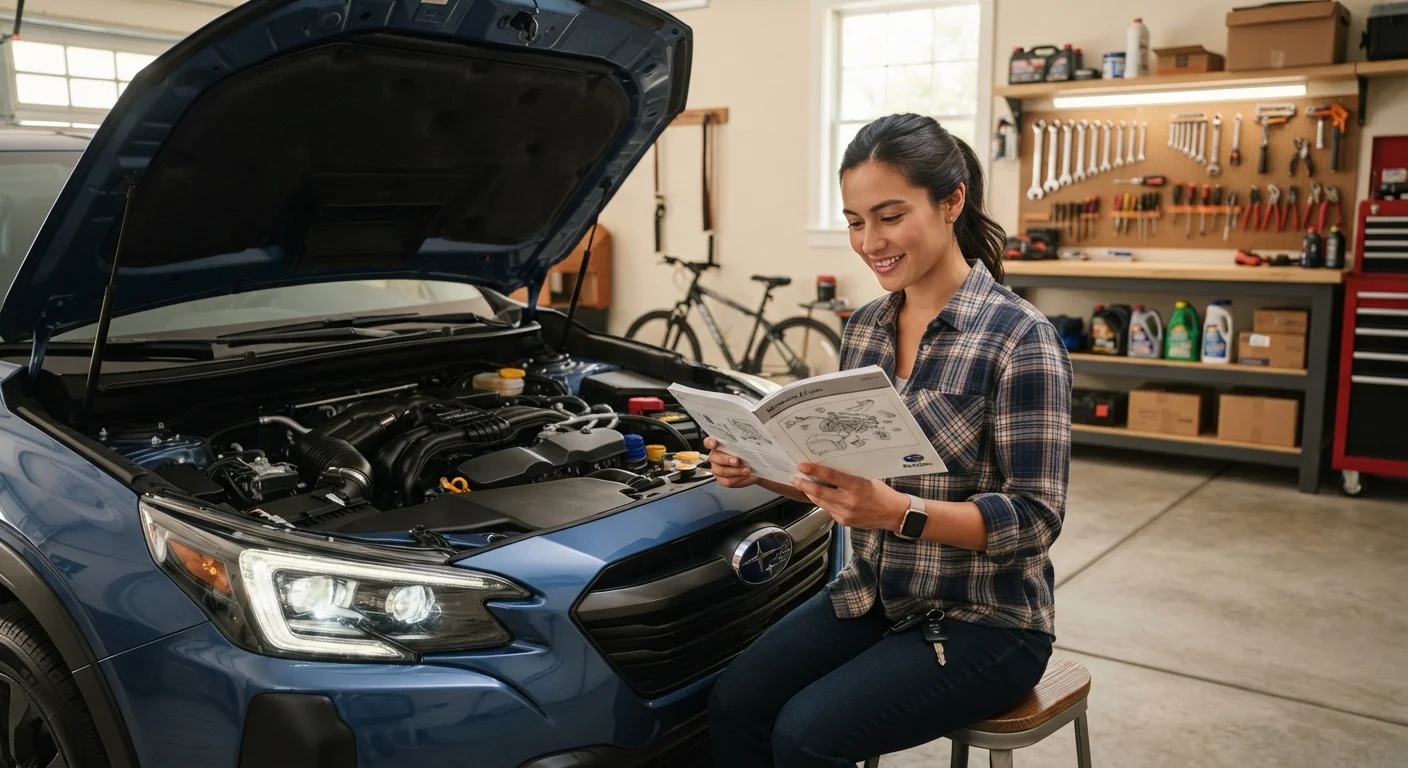
Photo: CoralScripts.com | Explore, Discover, Engage editorial
—— In This Article
Key Takeaways
- Your owner's manual contains the manufacturer's actual service schedule - it should be your first reference, not generic internet advice.
- Oil changes, tire rotations, and fluid checks are the highest-priority recurring tasks in the first year.
- Many routine checks - tire pressure, oil level, coolant level - can be performed safely at home without special tools.
- Keeping service records from the start protects warranty coverage and boosts resale value.
- Preventive maintenance costs far less than repairing damage caused by neglect.
Why the First Year Sets the Tone
The habits you establish in your first twelve months of ownership have a disproportionate effect on a vehicle's long-term reliability and operating cost. Deferred maintenance compounds - a missed oil change accelerates engine wear, neglected tire rotation causes uneven tread, and low coolant can lead to overheating damage that is far more expensive to fix than topping off a reservoir. Understanding why preventive maintenance works makes it considerably easier to stay consistent.
The first year is also when your vehicle is under manufacturer warranty, which adds another layer of obligation: warranty coverage may require documented adherence to the service schedule. Starting correctly protects both your engine and your legal recourse if a defect surfaces.
Your Owner's Manual: The Most Underused Resource
Every vehicle comes with an owner's manual that contains the manufacturer's exact maintenance schedule, fluid specifications, tire pressure recommendations, and break-in guidelines. This document is specific to your engine, transmission, and trim level - it is categorically more accurate than generic online checklists or advice from well-meaning acquaintances.
Key things to locate in your manual before your first service:
- Oil type and viscosity - whether your engine calls for conventional, synthetic blend, or full synthetic, and the correct grade (e.g., 0W-20, 5W-30)
- Service intervals - mileage and time-based triggers for oil changes, filter replacements, and inspections
- Tire specifications - recommended inflation pressure (front and rear may differ) and load rating
- Fluid types - coolant, brake fluid, and transmission fluid specifications; mixing incompatible fluids causes damage
Use Your Manufacturer's Digital Tools
Many manufacturers now offer digital owner's manuals and companion apps that can send maintenance reminders directly to your phone. Check the manufacturer's website for your model. Some connected vehicles also transmit service alerts directly to an owner's app when a sensor detects a developing issue.
Many manufacturers now offer digital owner's manuals and companion apps that can send maintenance reminders directly to your phone. Check the manufacturer's website for your model.
Core Maintenance Tasks and Their Intervals
While exact intervals vary by model, the following tasks form the backbone of first-year maintenance for most passenger vehicles:
| Task | Typical Interval | Why It Matters |
|---|---|---|
| Engine oil & filter change | Every 5,000-10,000 miles (per manual) | Prevents sludge buildup and engine wear |
| Tire rotation | Every 5,000-7,500 miles | Promotes even tread wear and extends tire life |
| Cabin air filter | Every 15,000-25,000 miles | Maintains HVAC airflow and interior air quality |
| Engine air filter | Every 15,000-30,000 miles | Supports efficient combustion and protects the engine |
| Brake inspection | Annually or per mileage trigger | Identifies pad wear and rotor condition before failure |
| Battery check | Annually | Detects weak cells before a no-start situation |
Several entrenched myths surround these intervals - particularly around oil changes - so always cross-reference advice with what your manual actually states. Driving conditions also matter: frequent short trips, extreme temperatures, or heavy towing can shorten intervals. Seasonal shifts introduce additional considerations worth planning ahead for.
Checks You Can Do Yourself
A significant portion of routine upkeep requires no mechanical expertise and minimal tools. Integrating these checks into a monthly habit takes less than fifteen minutes and can catch problems before they escalate.
Service interval
The mileage or time period after which a specific maintenance task should be performed, as defined by the vehicle manufacturer.
Preventive maintenance
Scheduled upkeep performed before a component fails, with the goal of extending vehicle life and avoiding costly repairs.
Viscosity grade
A numerical rating (e.g., 5W-30) that describes how an engine oil flows at different temperatures - thinner when cold, thicker when hot.
Dipstick
A long, thin rod inserted into the engine oil sump that allows you to check the current oil level without special tools.
Coolant overflow reservoir
A plastic tank connected to the radiator that holds excess coolant as it expands with heat - the safe place to check coolant level on a cold engine.
Tire rotation
Moving tires from one wheel position to another on a regular schedule to promote even tread wear across all four tires.
- Tire pressure: Use a quality gauge when tires are cold (not driven in the past three hours). Inflate to the spec on the driver's door jamb sticker - not the maximum figure printed on the tire sidewall.
- Engine oil level: With the engine off and on level ground, pull the dipstick, wipe it clean, reinsert fully, and read the level against the min/max markers.
- Coolant level: Check the translucent overflow reservoir when the engine is cold. Never open the radiator cap on a hot engine.
- Windshield washer fluid: Straightforward to top off; use a formulation appropriate for your climate.
- Lights: Walk around the vehicle periodically with a helper to confirm all exterior lights are functioning.
Tasks involving brake fluid, transmission fluid, or anything requiring component removal should generally be handled by a qualified mechanic unless you have the appropriate training and tools.
Building a Maintenance Record From Day One
Every service performed on your vehicle - whether at a dealership, independent shop, or in your own driveway - should be documented. Record the date, mileage, work performed, parts used, and cost. A complete service history affects resale value, warranty claims, and diagnostic accuracy in ways most new owners don't anticipate until they need it.
Simple documentation approaches include a dedicated folder for paper receipts, a spreadsheet, or a dedicated vehicle maintenance app. The format matters less than consistency. As mileage climbs, your maintenance priorities will evolve - but that service history you start building now will guide every mechanic who works on the car in the future.
Start Your Records From the Very First Service
Starting your records from the very first oil change - even if it's the dealer's pre-delivery inspection - gives you the most complete picture of the vehicle's history. Gaps in documentation are difficult to reconstruct later and can raise questions during a warranty claim or resale.
Starting your records from the very first oil change - even if it's the dealer's pre-delivery inspection - gives you the most complete picture of the vehicle's history. Gaps in documentation are difficult to reconstruct later.
Frequently Asked Questions

Cars & Driving Editorial Team
Cars & Driving Editorial Team is the collective byline for our editorial team and contributor network. Articles published under this byline or an editorial pen name are researched, written, and reviewed according to our editorial standards for clarity, consistency, and independence before publication.
View author profile