
Understanding Car Nameplates: Why Manufacturers Use Multiple Brand Names
What is a nameplate strategy and why do automakers sell near-identical vehicles under different brand names in different markets?
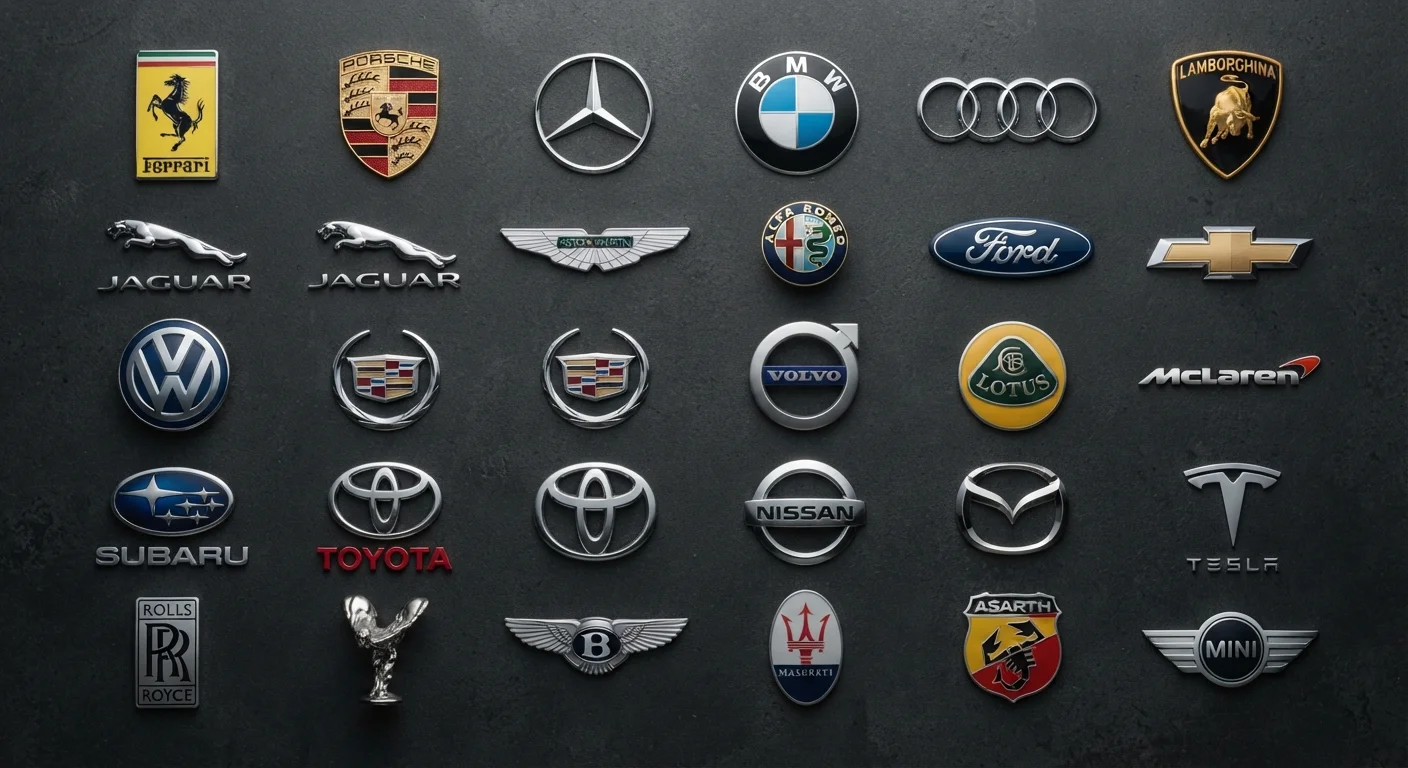
Photo: CoralScripts.com | Explore, Discover, Engage editorial
—— In This Article
Key Takeaways
- A nameplate is the model or brand name applied to a vehicle, separate from its underlying platform or engineering.
- Automakers use multiple nameplates to target different income levels, markets, or geographic regions simultaneously.
- Badge engineering - selling near-identical vehicles under different names - is a decades-old cost-reduction strategy.
- Market regulations, tariffs, and local consumer preferences are major drivers of regional nameplate differences.
- Nameplate strategies can backfire when consumers perceive two products as too similar, eroding brand equity.
The Logic Behind Multiple Nameplates
When a single automaker controls multiple brands - each targeting a distinct buyer demographic - the overarching strategy is called a multi-brand or nameplate strategy. The fundamental appeal is economic: developing an entirely new vehicle platform from the ground up costs billions of dollars. By spreading those development costs across several nameplates, each tailored through trim, pricing, and brand positioning, a manufacturer maximizes return on that investment.
General Motors made this approach famous through its tiered brand hierarchy - Chevrolet for entry-level buyers, Buick for near-luxury, Cadillac for premium - all drawing from shared engineering resources. The Volkswagen Group employs a similar model today, with brands ranging from utilitarian commercial vehicles to ultra-luxury sports cars, yet sharing significant platform architecture underneath.
Understanding nameplate strategy is a natural extension of understanding how brands are built and positioned. What actually separates a mass-market from a premium brand goes well beyond the badge on the hood - but the badge itself is where the strategy becomes visible to consumers.
14
Brands under the Volkswagen Group umbrella
As of recent corporate reporting, the Volkswagen Group manages approximately 14 vehicle brands globally, spanning budget, mainstream, premium, and ultra-luxury segments across cars, motorcycles, and commercial vehicles.
~$1B+
Estimated cost to develop a new vehicle platform
Industry analysts broadly estimate that bringing a new vehicle platform from concept to production costs upward of one billion dollars, a primary driver of platform-sharing and multi-nameplate strategies across the industry.
Badge Engineering: Shared Platforms, Different Identities
Badge engineering - fitting different nameplates onto mechanically similar or identical vehicles - reached its peak in the American market during the 1970s and 1980s. Buyers at the time could find what was, in mechanical terms, essentially the same compact car wearing Chevrolet, Pontiac, Oldsmobile, and Buick badges, each priced slightly differently and offering minor cosmetic distinctions.
The rationale was straightforward: individual dealers for each brand had loyal customer bases, and retaining those customers within the corporate family was more profitable than ceding them to a competitor. However, as consumers became more sophisticated, the strategy's weaknesses became apparent. When the product differences between a Chevy and an Olds felt trivial, buyers began to question what premium they were paying for, which eroded brand credibility over time.
“The risk of badge engineering is that you train the customer to see through the badge. Once they realize the difference is only cosmetic, you've lost the premium.”
— David Cole, Former Chairman, Center for Automotive Research
Today, automakers are generally more careful to engineer meaningful differentiation - distinct suspensions, unique powertrains, or genuinely different interior packages - between sibling products, even when those products share a common foundation. Brands that failed to maintain that distinction often paid the ultimate price: discontinuation.
Regional Nameplates and Market-Specific Branding
Geography is one of the most powerful forces shaping nameplate decisions. Tariff structures, local content regulations, and trademark availability can all force manufacturers to adopt different model names in different markets. A vehicle sold in South America under one name may be marketed in Asia under an entirely different designation, even when the hardware is largely unchanged.
Consumer perception of a vehicle's country of origin also plays a role. National origin shapes brand perception in measurable ways, and manufacturers sometimes use regionally familiar or aspirational naming to overcome negative stereotypes or to align with local cultural values.
Language is a factor too. A model name that sounds appealing in English may carry unintended meaning - or simply be difficult to pronounce - in Mandarin, Arabic, or Portuguese. Manufacturers routinely audit potential names across target markets before committing to a global launch.
Check the Platform Before Assuming Uniqueness
If you're evaluating two vehicles from sibling brands at different price points, it's worth researching whether they share a common platform. Manufacturer technical documentation, automotive press reviews, and industry databases often disclose platform relationships. Knowing what's shared - and what's genuinely different - helps you assess whether a price premium reflects real engineering differentiation.
When Nameplate Strategy Breaks Down
Multi-nameplate strategies are not without risk. The core danger is internal cannibalization: when two nameplates within the same corporate portfolio target the same buyer with similar products at similar price points, they take sales from each other rather than from competitors. This was a central criticism of General Motors' brand structure in the decades before its 2009 restructuring, which saw Pontiac, Saturn, and Hummer discontinued.
There is also the challenge of maintaining distinct brand equity for each nameplate over time. Luxury marques in particular depend on carefully guarded positioning - one product misstep or an overly transparent relationship with a cheaper sibling brand can undermine years of brand-building investment.
For readers interested in how manufacturers navigate the tension between reinvention and heritage, how car brands reinvent themselves without losing their identity explores those dynamics in depth. The nameplate a company retains - or retires - is often the clearest signal of its long-term strategic direction. See our broader car knowledge hub for more on how vehicles and the industry behind them actually work.
Frequently Asked Questions

Cars & Driving Editorial Team
Cars & Driving Editorial Team is the collective byline for our editorial team and contributor network. Articles published under this byline or an editorial pen name are researched, written, and reviewed according to our editorial standards for clarity, consistency, and independence before publication.
View author profile