
Reading Between the Lines of a Car Brand's Model Naming Convention
Numbers, letters, animal names — car model naming follows distinct internal logic. Here's how to decode the naming systems used by major manufacturers.
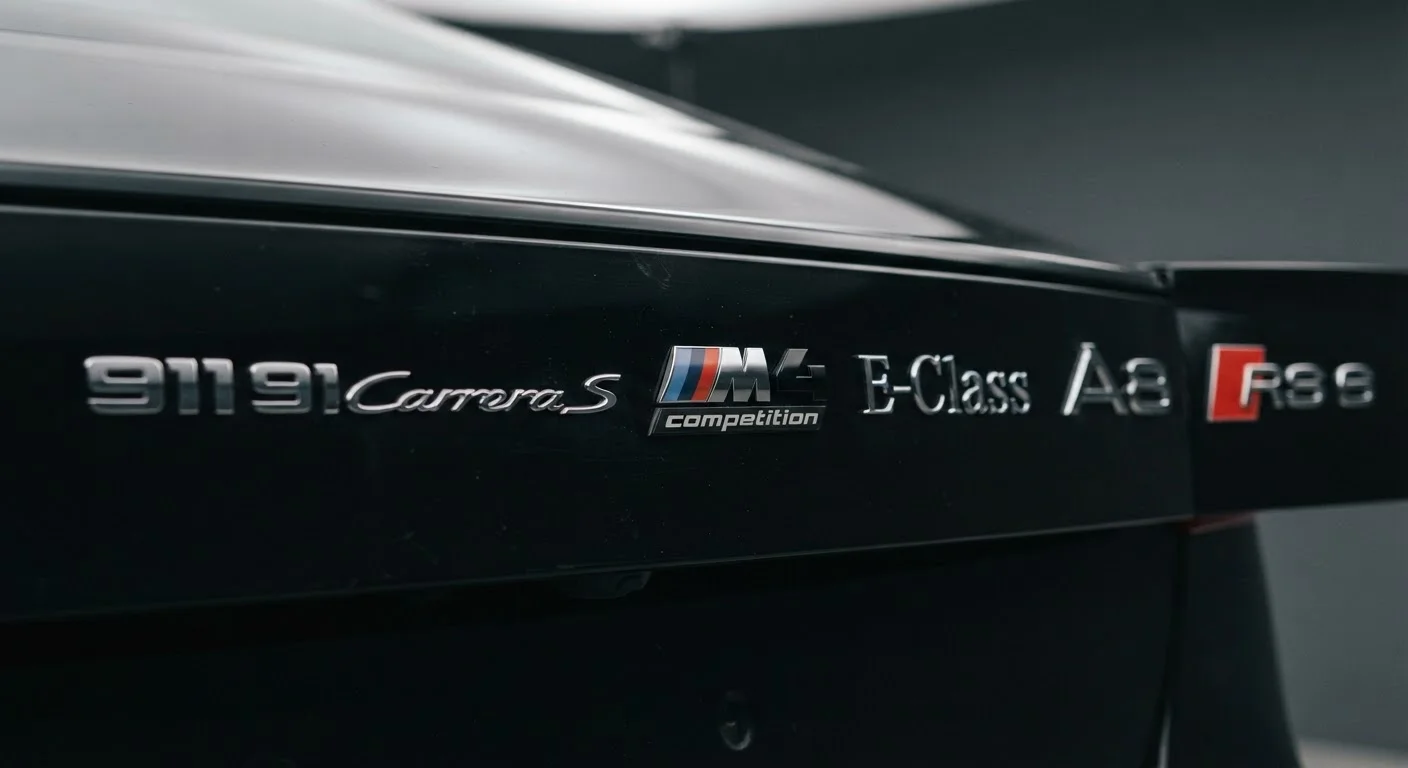
Photo: CoralScripts.com | Explore, Discover, Engage editorial
—— In This Article
Why Model Names Are Never Purely Random
Whether it's a three-letter alphanumeric code or a word evoking wilderness and speed, every car model name reflects deliberate brand architecture. Manufacturers use naming conventions to communicate segment position, powertrain, body style, and competitive intent - often within a single string of characters. Understanding these systems helps drivers interpret what a badge actually signals before they ever open a brochure.
The two dominant systems are alphanumeric naming (letters and numbers arranged to convey specification data) and word-based naming (evocative names tied to nature, geography, aspiration, or mythology). Most manufacturers commit to one, though some blend both - sometimes inconsistently - as product lines evolve. See also how brand logos encode identity through visual language rather than words.
| Dominant naming systems | Alphanumeric and word-based (evocative) |
| Alphanumeric system origin | Primarily German luxury brands, adopted widely |
| Most common word-name themes | Geography, animals, atmosphere, invented words |
| EV naming trend | New suffixes or sub-brands to distinguish electric models |
| Displacement accuracy in numbers | Often no longer literal; retained for brand recognition |
| Nameplate cycling | Word names discontinued more frequently than alphanumeric lines |
Alphanumeric Systems: Decoding Letters and Numbers
German luxury brands pioneered alphanumeric systems that embed meaningful data into model designations. While conventions vary by brand, these components frequently appear:
- A letter prefix or suffix indicating the vehicle line or body style - for example, distinguishing a sedan from a coupe or a crossover.
- A number originally tied to engine displacement - historically, a three-digit number like 320 or 525 signaled a 2.0-liter or 2.5-liter engine. As turbocharged smaller engines replaced larger naturally aspirated ones, some manufacturers retained traditional numbers even when displacement no longer matched, prioritizing brand familiarity over literal accuracy.
- Suffix letters indicating drivetrain or body configuration - notations for all-wheel drive, coupe variants, performance derivatives, or long-wheelbase versions are common across multiple manufacturers.
Japanese luxury brands introduced their own systems: letter-number combinations often reference powertrain output class or model generation rather than displacement. Some use a letter series to denote segment level - smaller letters or lower numbers for entry models, ascending to flagship designations.
3
Core elements in a typical alphanumeric model name
Most alphanumeric systems combine a series letter, a number representing class or output, and one or more suffix codes for drivetrain and body style.
7+
Average crossover variants in an expanded luxury lineup
Growth in crossover segments has forced many manufacturers to extend their original naming logic well beyond its intended scope, often resulting in hybrid or ad hoc designations.
Word-Based Names: What the Language Choices Signal
American, Korean, and many mainstream European manufacturers rely heavily on word names, with clear thematic clusters that carry marketing intent:
- Geographic names - referencing American cities, highways, or regions to evoke freedom, scale, or heritage. Many SUV and truck names fall into this category.
- Animal names - predators connote performance and agility; horses evoke speed with American iconography. Animal names are overwhelmingly applied to coupes, muscle cars, and sporty crossovers rather than minivans or economy sedans.
- Atmospheric or elemental names - wind, sky, and celestial references communicate refinement, spaciousness, and effortless travel, common on luxury sedans and premium SUVs.
- Latin and invented words - some manufacturers coin entirely new words or adapt classical roots to sound global and distinctive without geographic or cultural baggage.
Word names require active management: when a nameplate carries negative associations from a poorly received model, discontinuing it is cleaner than an alphanumeric redesign. This is one reason word names cycle more frequently across automotive history. Nameplate strategy explores this lifecycle in more depth.
Nameplate
The name or designation applied to a specific vehicle model or model line. A nameplate can persist across multiple generations of a vehicle even when the underlying engineering changes substantially.
Alphanumeric designation
A model name composed of letters and numbers rather than a word, designed to encode information about vehicle class, engine size, or drivetrain configuration within the name itself.
Brand architecture
The structured hierarchy of a manufacturer's product lineup, including how models are named, positioned, and differentiated from one another in terms of segment and price.
Suffix notation
Letters added after the main model designation to indicate body style, drivetrain type, performance grade, or wheelbase variant - such as codes for all-wheel drive or coupe configurations.
Sub-brand
A secondary brand identity created within an existing manufacturer's portfolio, often used to distinguish a product line by powertrain type, market segment, or performance tier without launching an entirely new brand.
When Systems Break Down - and Why
Naming conventions erode for predictable reasons. Corporate mergers bring together brands with incompatible systems, and product line expansions push manufacturers into territory their original logic didn't anticipate. An alphanumeric scheme designed for three sedan models struggles when the same brand needs to name seven crossovers spanning four price tiers. The result is often ad hoc suffixes, repurposed number sequences, or a hybrid approach that satisfies neither internal clarity nor consumer comprehension.
Electrification has added another layer of complexity. Several manufacturers have introduced separate naming sub-brands or letter suffixes specifically for battery-electric vehicles - sometimes running parallel to, and sometimes replacing, existing conventions. Readers interested in how corporate ownership shapes these decisions will find relevant context in our overview of automaker alliances and corporate structures. For a broader grounding in vehicle terminology, the automotive terminology guide covers the language used across the industry.
Naming Changes Don't Always Mean New Models
Manufacturers occasionally rename existing models without changing the vehicle itself - rebranding to signal a fresh start, align with a new regional strategy, or accommodate a revised naming convention. If a familiar name disappears from a lineup, it's worth checking whether the model was discontinued or simply relaunched under a different designation. Consulting manufacturer press materials or official model histories is the most reliable way to track these changes.

Cars & Driving Editorial Team
Cars & Driving Editorial Team is the collective byline for our editorial team and contributor network. Articles published under this byline or an editorial pen name are researched, written, and reviewed according to our editorial standards for clarity, consistency, and independence before publication.
View author profile