
The 50/30/20 Rule vs. Zero-Based Budgeting
Two popular budgeting frameworks, one decision. Understand the core differences between the 50/30/20 rule and zero-based budgeting to find your fit.
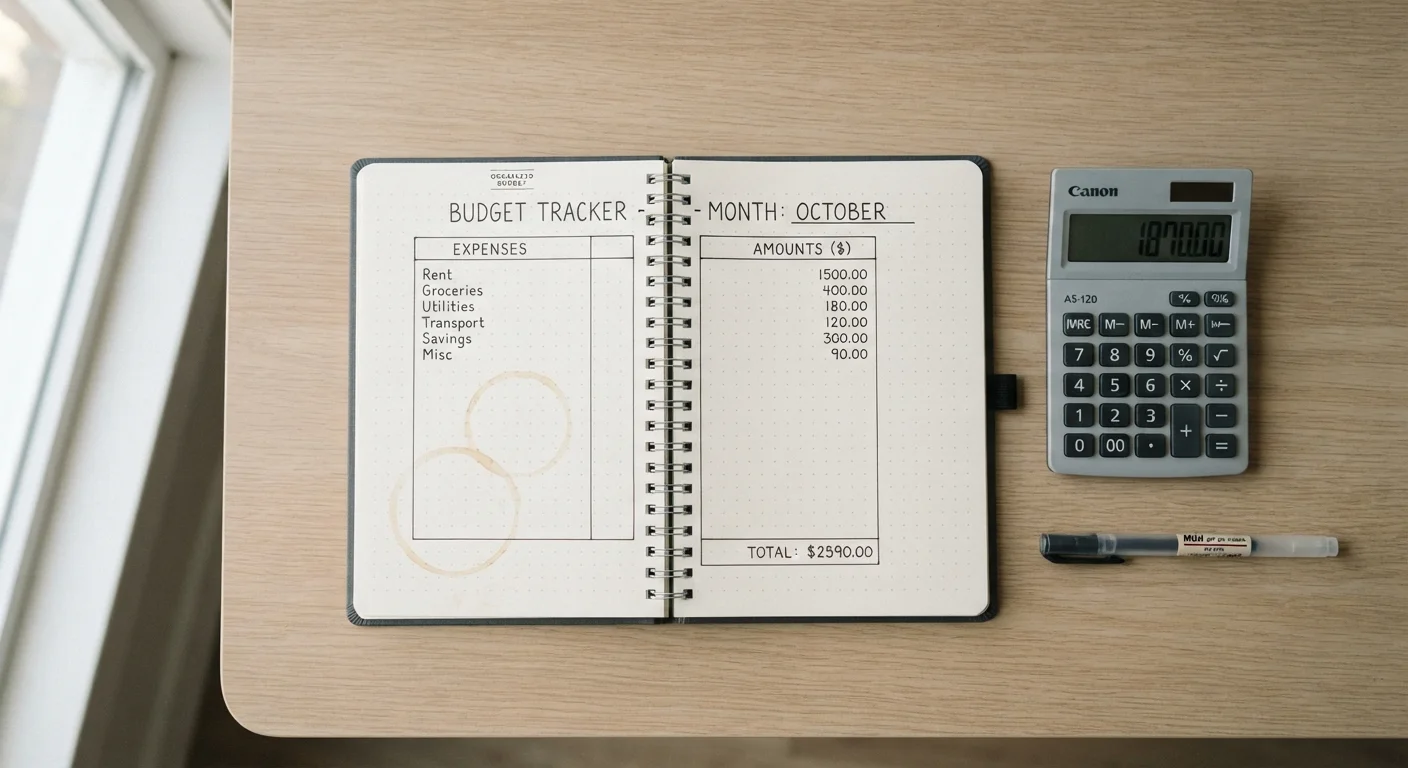
Photo: CoralScripts.com | Explore, Discover, Engage editorial
—— In This Article
Key Takeaways
- The 50/30/20 rule splits after-tax income into needs, wants, and savings using fixed percentages.
- Zero-based budgeting assigns every dollar a specific purpose so income minus expenses equals zero.
- The 50/30/20 rule is easier to maintain; zero-based budgeting offers greater precision.
- Neither method guarantees financial outcomes - consistency and adaptation matter most.
- Both frameworks can be adjusted based on income level, life stage, and financial goals.
How Each Framework Is Structured
The 50/30/20 rule divides your after-tax income into three broad buckets: 50% toward needs (housing, utilities, groceries, minimum debt payments), 30% toward wants (dining out, subscriptions, entertainment), and 20% toward savings and debt repayment beyond minimums. The percentages are fixed by design - the simplicity is the point. If you earn $4,000 per month after tax, the allocation is pre-calculated: $2,000, $1,200, and $800 respectively.
Zero-based budgeting (ZBB) works from a different philosophy entirely. At the start of each budgeting period - typically monthly - you list every anticipated expense category and assign a dollar amount to each until your total income minus total allocations equals zero. Nothing is left unassigned. A $4,000 income might be distributed across rent, groceries, insurance, a car payment, a vacation fund, an emergency fund, and discretionary spending - but every dollar has a name before the month begins.
For a broader look at percentage-driven approaches, see percentage-based budgeting frameworks.
| Criterion | 50/30/20 Rule | Zero-Based Budgeting |
|---|---|---|
| Core concept | Fixed percentage splits of after-tax income | Every dollar assigned a specific purpose |
| Setup time | Minimal - calculate three amounts | Higher - itemize all expense categories |
| Monthly maintenance | Low - periodic category checks | High - rebuild and reconcile each month |
| Best income type | Stable, predictable income | Stable or variable income |
| Spending visibility | Broad category awareness | Granular, line-by-line clarity |
| Flexibility | High within each bucket | Lower - requires reassigning dollars |
| Ideal for | Beginners, time-limited budgeters | Goal-focused, detail-oriented budgeters |
Effort, Flexibility, and Real-World Trade-offs
The 50/30/20 rule demands relatively little upkeep. After the initial setup, you mainly check whether spending in each category is staying within its band - a monthly review rather than a daily one. That low friction makes it sustainable for people with busy schedules or those who are new to budgeting.
Zero-based budgeting is more time-intensive. Building a fresh budget each month, accounting for irregular expenses (annual insurance premiums, holiday gifts, car maintenance), and reconciling actual spending against assignments takes real effort. However, that effort pays off in clarity: you'll know exactly where your money went, which is why it's popular with people aggressively paying down debt or building savings rapidly.
~33%
Americans with a formal household budget
Gallup polling has consistently found that fewer than one in three US adults maintain a detailed household budget, highlighting how many people manage money without a structured plan.
6-10 hrs
Monthly time investment for zero-based budgeting
Financial planning practitioners generally estimate that building, tracking, and reconciling a zero-based budget requires several hours per month, depending on household complexity.
One practical consideration is income variability. Fixed percentages work best with a predictable paycheck. If your income fluctuates month to month - freelance work, commission-based roles, or seasonal employment - zero-based budgeting adapts more cleanly because you're working with actual dollars, not percentages of an estimated number.
It's also worth noting that neither method locks you in permanently. Many people blend elements of both: they use the 50/30/20 framework as a high-level guide while applying zero-based logic within specific categories. Building consistent financial habits matters as much as choosing the right system - explore what separates consistent budgeters from occasional ones.
When the Percentages Don't Fit
The 50/30/20 rule was designed with a median income in mind. In high cost-of-living areas, housing and transportation alone can consume more than 50% of after-tax income, leaving little room for wants or savings at the prescribed ratios. If you find the percentages unrealistic for your situation, treat them as directional targets rather than hard rules - the underlying principle of intentional allocation still applies. Adjusting the splits to 60/20/20 or 70/15/15 to reflect your actual costs is a reasonable adaptation.
Choosing the Right Method for Your Situation
The right framework is ultimately the one you'll actually use. A perfectly structured zero-based budget that gets abandoned after two weeks outperforms nothing - but so does a 50/30/20 plan that's never revisited. Consider a few practical questions before deciding:
- How much time can you commit? If budgeting feels like a chore you'll avoid, choose the simpler structure first and build from there.
- Do you have specific near-term financial goals? Paying off credit card debt, saving for a home, or building a six-month emergency fund often benefits from the precision that zero-based budgeting provides.
- Is your income stable? Stable income favors either method; irregular income generally favors zero-based budgeting.
Once you've established a rhythm with either approach, a structured monthly review can sharpen your results. The monthly budget reset audit provides a step-by-step process for evaluating and adjusting your plan. You might also consider how these frameworks compare to envelope-based spending control - see envelope budgeting vs. digital spending trackers for a related look at spending management methods.
This article is for general informational and educational purposes only and does not constitute personalised financial or investment advice. Consult a qualified financial professional for guidance tailored to your individual circumstances.

Money Matters Editorial Team
Money Matters Editorial Team is the collective byline for our editorial team and contributor network. Articles published under this byline or an editorial pen name are researched, written, and reviewed according to our editorial standards for clarity, consistency, and independence before publication.
View author profile