
Discretionary Spending: The Budget Line That's Easiest to Misread
Discretionary spending is often misunderstood and poorly tracked. This explainer clarifies what it covers, why it matters, and how to manage it.
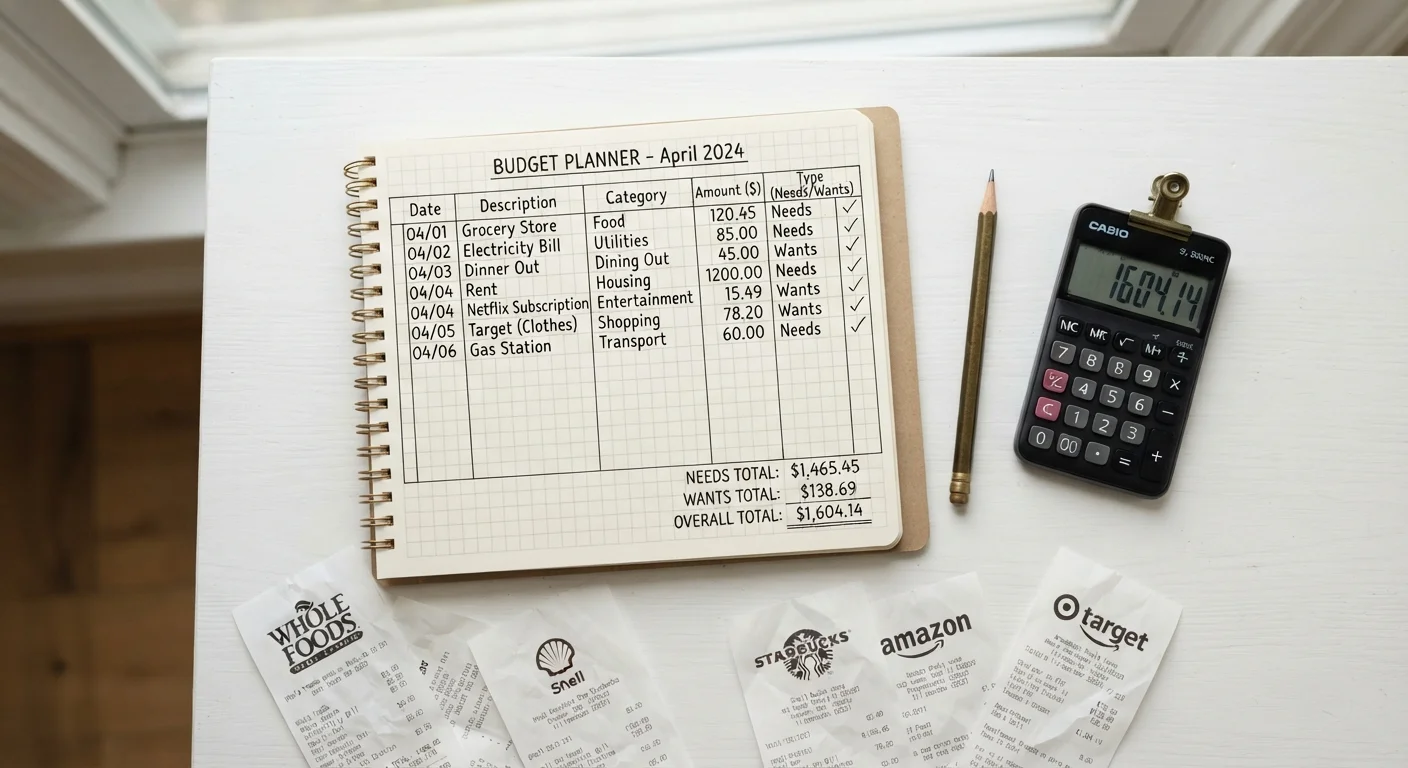
Photo: CoralScripts.com | Explore, Discover, Engage editorial
—— In This Article
Key Takeaways
- Discretionary spending covers non-essential purchases you actively choose to make each month.
- It differs from fixed expenses, which are obligatory and predictable in amount.
- Many people underestimate their discretionary spending by 20-40% when recalling it from memory.
- Tracking it accurately is the single most impactful step toward a functioning budget.
- Cutting discretionary costs is the fastest lever to free up cash for savings or debt repayment.
- Not all discretionary spending is wasteful - the goal is intentionality, not deprivation.
Why Discretionary Spending Gets Misread
Most people have a rough sense of their fixed costs - rent, loan payments, insurance premiums. These show up as predictable line items that are hard to miss. Discretionary spending is different. It arrives in dozens of small, irregular transactions that rarely feel significant in the moment: a lunch here, a streaming upgrade there, a sale purchase that felt like savings.
The result is a systematic blind spot. Research consistently shows that people underestimate their discretionary spending when asked to recall it from memory, sometimes by a wide margin. The problem isn't dishonesty - it's the nature of how small purchases register psychologically. Each transaction feels minor; the total rarely does.
This misreading has real consequences. If your budget's discretionary estimate is lower than actual spending, every other budget category will be squeezed to compensate - often invisibly, through credit card balances that grow slowly month by month.
~30%
Recommended discretionary share of take-home pay
The widely referenced 50/30/20 budgeting framework allocates roughly 30% of after-tax income to wants and discretionary spending.
$273/mo
Average U.S. spending on subscriptions per household
Consumer research from West Monroe has found that Americans consistently underestimate their monthly subscription costs by a significant margin compared to actual billing records.
20-40%
Common underestimation of discretionary spending from memory
Behavioural finance studies indicate that people recalling spending without reference to statements tend to undercount discretionary expenses by this range.
Drawing the Line: What Counts as Discretionary
The core test is simple: would you face immediate, serious harm if you stopped this expense today? If the answer is no, it's likely discretionary. Some clear examples include dining and takeout, entertainment, hobbies, vacations, personal care beyond basics, and non-essential clothing or home goods.
Some categories sit in a genuine grey zone. A gym membership might be medically important for one person and a rarely-used luxury for another. A professional wardrobe has a non-discretionary argument for some careers. The classification matters less than the awareness - knowing which of your expenses are flexible is what gives you control.
For a deeper look at how these categories map to broader budget terminology, see the Fixed vs. Variable Expenses glossary, which walks through the full range of budget line items in plain language.
How to Measure It Accurately
The only reliable way to understand your discretionary spending is to review actual transaction data - bank statements and credit card records - rather than relying on estimates. Most financial institutions provide at least 90 days of history, which is enough to capture irregular purchases that might not appear every month.
Group transactions into broad buckets: food and drink beyond groceries, entertainment, personal care, shopping, and subscriptions. Be thorough with subscriptions in particular - spending categories most budgets forget often include small recurring charges that fly under the radar for months or years.
Once you have a realistic monthly average, compare it to what you'd estimated. The gap between those two numbers is your starting point for better financial control. For a structured approach to building this process from scratch, the Personal Budgeting from the Ground Up guide provides a step-by-step framework.
Use 90 Days, Not One Month
A single month of transaction data can be misleading - an unusually quiet or unusually busy month skews the picture. Averaging across 90 days captures irregular discretionary purchases like clothing hauls, one-off experiences, or gifts, giving you a more accurate baseline. Most bank and credit card portals make it easy to export statements for this period.
Managing Discretionary Spending Intentionally
Once you have an accurate picture, the next step is deciding whether your discretionary spending reflects your actual priorities. This isn't about cutting everything enjoyable - a budget that allows no flexibility is unlikely to last. The goal is alignment: spending deliberately on what genuinely matters, and eliminating what doesn't.
A practical approach is to rank your discretionary categories by how much satisfaction they deliver relative to their cost. Some people find that eating out frequently brings genuine value; others realize they've been doing it out of convenience and would rather redirect that money toward travel or saving. Neither answer is wrong - the insight is what matters.
For readers interested in the mechanics of keeping spending within defined limits, envelope budgeting vs. digital spending trackers compares two practical methods that work well for variable and discretionary categories specifically.
This article is for general informational and educational purposes only and does not constitute personalised financial advice. For guidance tailored to your specific financial situation, consider consulting a qualified financial adviser or planner.
Frequently Asked Questions

Money Matters Editorial Team
Money Matters Editorial Team is the collective byline for our editorial team and contributor network. Articles published under this byline or an editorial pen name are researched, written, and reviewed according to our editorial standards for clarity, consistency, and independence before publication.
View author profile