
What the Gut-Brain Axis Actually Means for Your Well-Being
The gut-brain connection is real, but often misunderstood. This explainer separates established science from exaggerated wellness claims.
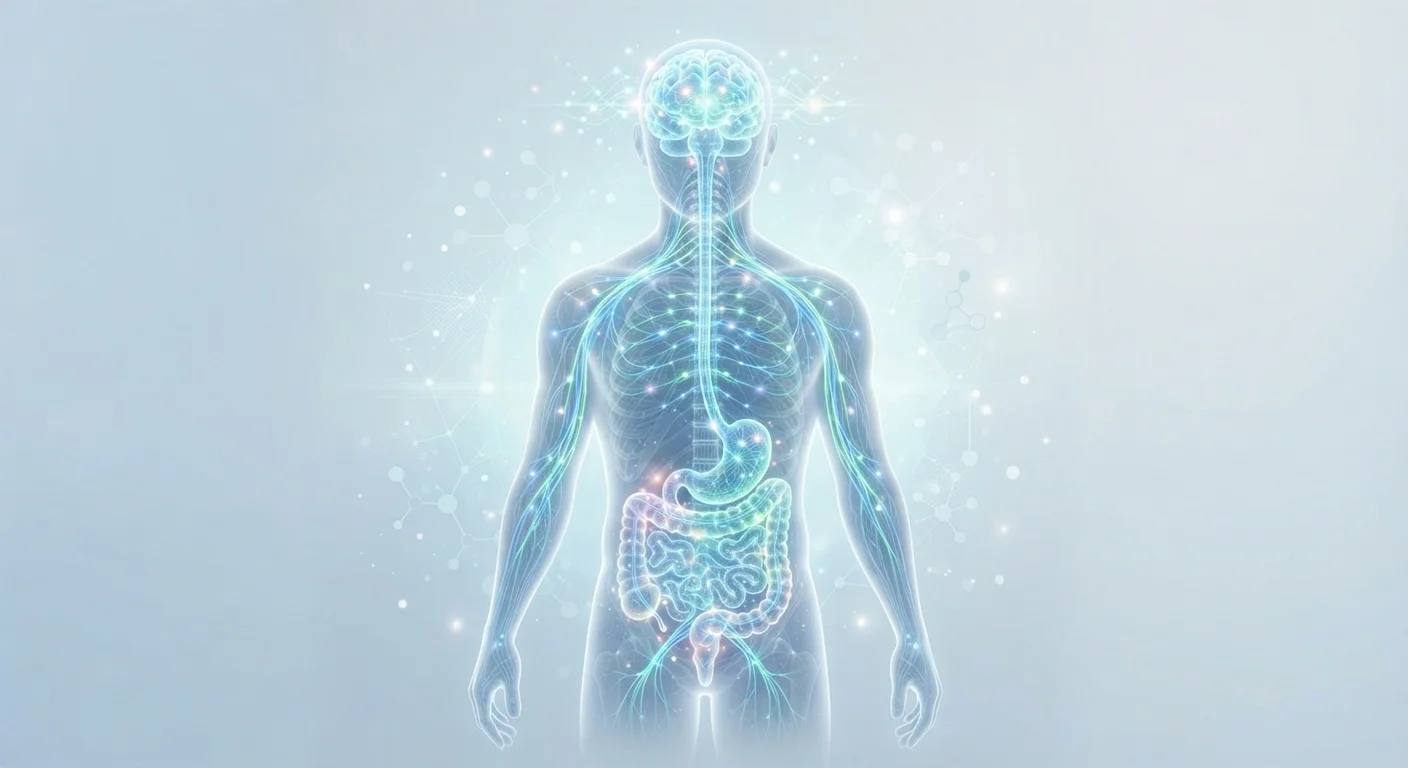
Photo: CoralScripts.com | Explore, Discover, Engage editorial
—— In This Article
Key Takeaways
- The gut-brain axis is a real, well-documented bidirectional communication system involving nerves, hormones, and immune signals.
- Gut microbiome research is promising but still developing - many findings come from animal studies, not human clinical trials.
- Probiotic supplements are not a proven treatment for anxiety or depression in the general population.
- Diet genuinely influences gut-brain signaling, but no single food or supplement 'fixes' mental health.
- Conditions like IBS involve gut-brain crosstalk, which is why stress management is a legitimate part of treatment.
What the Gut-Brain Axis Actually Is
The gut-brain axis refers to the continuous, two-way communication network linking the central nervous system - your brain and spinal cord - with the enteric nervous system embedded in your gastrointestinal tract. This connection runs through several channels: the vagus nerve (a major conduit carrying signals in both directions), the immune system, the endocrine system (hormones), and metabolites produced by gut microorganisms.
This is established biology, not wellness speculation. The gut houses roughly 100 million neurons - more than the spinal cord - and produces a significant share of the body's serotonin, though this gut-derived serotonin primarily regulates intestinal movement rather than directly governing mood. Understanding this distinction matters, because oversimplified headlines often conflate peripheral gut signaling with the brain chemistry underpinning depression.
For a broader look at how physical systems influence mental well-being, see our explainer on the mind-body connection.
Myth
Your gut is your 'second brain' and controls your mood just like your brain does.
Fact
The enteric nervous system is highly complex, but it regulates digestion - it does not generate conscious thought or independently determine mood.
The phrase 'second brain' is a useful metaphor for the gut's neural complexity, but it is regularly misapplied to suggest the gut independently governs emotional states. In reality, the enteric nervous system evolved primarily to manage the mechanics of digestion. While gut-brain signaling can influence how you feel - particularly through the vagus nerve and immune pathways - the gut does not 'think' or override higher brain functions. The relationship is influential, not dominant.
Myth
Most of your serotonin is made in the gut, so improving gut health will improve depression.
Fact
While roughly 90-95% of the body's serotonin is produced in the gut, this serotonin does not cross the blood-brain barrier and does not directly regulate mood.
This is one of the most persistently misunderstood statistics in wellness media. Gut-derived serotonin primarily controls intestinal movement and is compartmentalized - it cannot cross the blood-brain barrier to act as a neurotransmitter in the way brain-produced serotonin does. Depression involves central nervous system serotonin pathways; improving gut serotonin production through diet or supplements does not equate to treating clinical depression. Anyone experiencing depressive symptoms should consult a healthcare provider.
Myth
Taking a daily probiotic supplement will reduce anxiety and improve your mental health.
Fact
Current evidence does not support routine probiotic supplementation as a treatment for anxiety or depression in healthy adults.
Some small studies suggest certain probiotic strains may modestly influence mood-related measures, but the research is heterogeneous and largely preliminary. Most trials are short-term, use varying strains and doses, and measure surrogate endpoints rather than clinical outcomes. Major professional bodies in psychiatry and gastroenterology have not endorsed probiotics as a mental health treatment. Probiotics do have evidence-backed uses for specific gut conditions - this is not a blanket dismissal, but a caution against overgeneralization.
Myth
Leaky gut syndrome is a proven medical condition that causes most mental health disorders.
Fact
Increased intestinal permeability is a real phenomenon studied in specific clinical contexts, but 'leaky gut syndrome' as a standalone diagnosis is not recognized in mainstream medicine.
Intestinal permeability - the degree to which the gut lining allows substances to pass into the bloodstream - does play a role in conditions like Crohn's disease and celiac disease. Researchers are also studying its potential relevance to systemic inflammation. However, 'leaky gut syndrome' as a catch-all explanation for diverse symptoms, including mental health disorders, goes beyond current evidence. Attributing broad psychological conditions to undiagnosed leaky gut, and selling supplements to 'seal' it, is a commercialization of incomplete science.
Common Myths - and What the Evidence Actually Shows
Wellness culture has embraced gut-brain science enthusiastically, sometimes outpacing the evidence. The myths below reflect frequently repeated claims that either misrepresent the research or extrapolate well beyond what current studies support.
~500 million
Neurons in the human gut
The enteric nervous system contains an estimated 500 million neurons, communicating with the brain through the vagus nerve and other pathways, according to established gastroenterology literature.
~38 trillion
Microbial cells in the human body
Current estimates suggest the human body hosts roughly as many microbial cells as human cells, with the vast majority residing in the gastrointestinal tract.
<5%
High-quality human probiotic-mood trials
A 2023 systematic review noted that very few probiotic and mental health trials meet high-quality randomized controlled trial standards with adequate sample sizes and clinical endpoints.
Diet is one genuine lever within the gut-brain system. Dietary fibre, for example, feeds beneficial gut bacteria that produce short-chain fatty acids, which interact with the immune system and may influence neural pathways. Our article on how fibre feeds your gut microbiome examines this in detail. Meanwhile, stress, sleep, and nervous system regulation all affect gut function - which is why clinicians treating irritable bowel syndrome increasingly incorporate gut-directed psychological therapies alongside dietary changes.
Practical Implications for Your Health
Accepting that the gut-brain axis is real does not require embracing every product or protocol that invokes the term. The practical takeaways from current science are more measured:
- Diet quality matters. A varied, fibre-rich diet supports microbial diversity, which research associates with better metabolic and immune outcomes. This is meaningful, if not magic.
- Chronic stress affects gut function. Stress alters gut motility, permeability, and microbial composition - making stress management relevant to gastrointestinal health, not just mental wellness.
- The relationship is bidirectional. Gut inflammation and dysbiosis (microbial imbalance) may send signals that influence mood and cognition, but causation is difficult to establish in human research.
- Probiotics are not universally therapeutic. Specific probiotic strains show benefit for specific clinical conditions; the evidence does not support blanket supplementation for general mental health.
Chronic inflammation is one mechanism threading through many of these interactions. Our article on how inflammation connects seemingly unrelated conditions explores this link further.
Gut-Brain Science Does Not Replace Clinical Care
Interest in the gut-brain axis has generated genuine research advances, but it has also fueled a supplement industry making claims that outpace the evidence. If you are experiencing persistent mental health symptoms, gastrointestinal distress, or both, these warrant evaluation by a qualified healthcare professional - not a probiotic protocol sourced from social media. Emerging science is promising; it is not a substitute for individualized medical assessment and care.
This article is for general informational and educational purposes only and does not constitute medical advice. If you have concerns about your digestive health, mental health, or overall well-being, please consult a qualified healthcare professional.

Health & Wellness Editorial Team
Health & Wellness Editorial Team is the collective byline for our editorial team and contributor network. Articles published under this byline or an editorial pen name are researched, written, and reviewed according to our editorial standards for clarity, consistency, and independence before publication.
View author profile