
The Mind-Body Connection: What Science Actually Says
Explore the evidence behind how physical health and mental well-being influence each other, from neuroscience to everyday lifestyle factors.
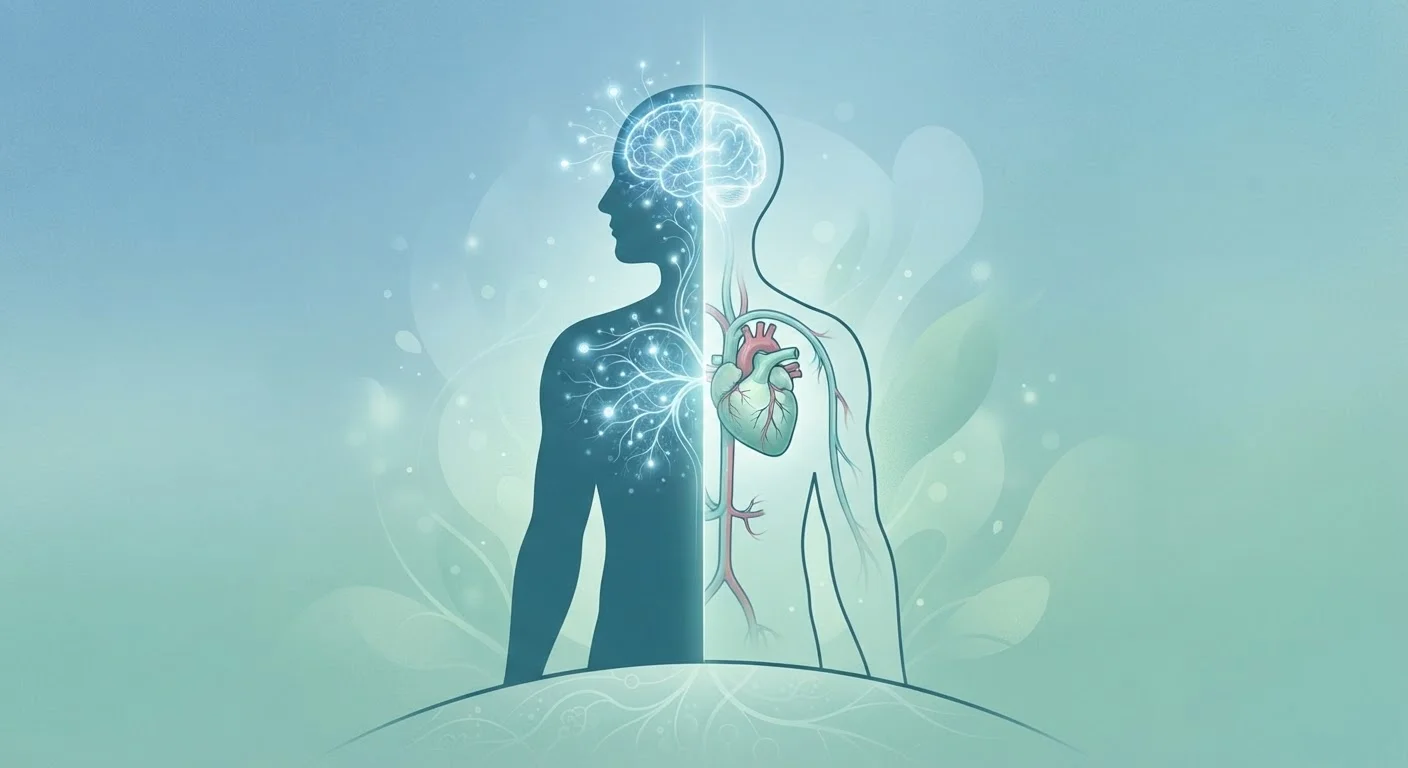
Photo: CoralScripts.com | Explore, Discover, Engage editorial
—— In This Article
Key Takeaways
- Mental and physical health influence each other through measurable biological pathways, not just perception.
- Chronic psychological stress can produce quantifiable changes in immune, cardiovascular, and hormonal function.
- Physical activity has well-documented effects on mood and cognitive function, not just physical fitness.
- Mind-body practices like mindfulness show modest but real benefits for certain stress-related health markers.
- The relationship is bidirectional - chronic illness frequently contributes to depression and anxiety as well.
- Consult a qualified healthcare professional before making changes based on this general health information.
More Than a Metaphor: The Biology Behind the Connection
The phrase "mind-body connection" can sound vague or even pop-psychological, but the science behind it is grounded in specific, measurable mechanisms. Three major biological systems serve as the infrastructure for this relationship: the nervous system, the endocrine (hormonal) system, and the immune system. These systems communicate continuously, meaning a change in one domain - say, a sustained psychological stressor - can trigger a cascade of effects in the others.
When the brain perceives a threat, it activates the hypothalamic-pituitary-adrenal (HPA) axis, releasing cortisol and adrenaline. In short bursts, this is adaptive. Sustained over months or years, elevated cortisol suppresses immune function, promotes systemic inflammation, and places strain on the cardiovascular system. This is not theoretical - it is observable in bloodwork and tissue studies. For a deeper look at how inflammation threads through multiple conditions, see how inflammation connects seemingly unrelated health conditions.
What Psychoneuroimmunology Actually Studies
This field examines specific molecular and cellular mechanisms - such as how stress hormones like cortisol affect lymphocyte activity - rather than making broad claims about the power of thought. Studies in this area use standard biomarker measurements, controlled designs, and peer review. The findings support nuanced, probabilistic conclusions about risk and physiology, not deterministic claims about mental control over disease.
When Mental States Shape Physical Health
Depression and anxiety are not purely "in the head" - they produce measurable physiological changes. Research has linked major depressive disorder with altered immune profiles, including elevated levels of pro-inflammatory cytokines (signaling proteins). Anxiety disorders are associated with dysregulated autonomic nervous system activity, affecting heart rate variability and blood pressure.
Chronic stress is perhaps the most studied pathway. Evidence drawn from large longitudinal studies links sustained psychosocial stress to accelerated cellular aging (measured via telomere length), increased susceptibility to upper respiratory infections, and poorer wound healing. Prolonged tension leaves measurable physical marks that go well beyond subjective fatigue.
~2x
Depression risk elevation with chronic illness
People living with conditions like diabetes or heart disease face roughly double the risk of developing depression compared to the general population, according to multiple meta-analyses.
30%
Immune function reduction under chronic stress
Research reviewed in psychoneuroimmunology literature suggests prolonged psychosocial stress can meaningfully suppress certain immune responses, including vaccine efficacy.
~20-30%
Reduction in depression symptoms with exercise
A widely cited Cochrane review found regular aerobic exercise associated with clinically meaningful reductions in depressive symptoms across multiple trials.
How Physical Health Shapes the Mind
The reverse pathway is equally documented. Chronic pain, cardiovascular disease, diabetes, and autoimmune conditions all carry significantly elevated rates of comorbid depression and anxiety - rates that exceed what would be expected from psychological adjustment alone. Inflammation appears to be a key mechanism: pro-inflammatory cytokines can cross the blood-brain barrier and alter neurotransmitter metabolism, contributing to depressive symptoms.
Exercise offers one of the clearest demonstrations of this bidirectional relationship. Physical activity reduces circulating inflammatory markers, increases brain-derived neurotrophic factor (BDNF - a protein important for neuron health), and consistently improves mood and cognitive function in well-controlled studies. This is why physical health is increasingly integrated into mental health treatment frameworks, rather than treated as a separate concern.
Social factors layer on top of these biological mechanisms. Research into loneliness shows that social isolation carries measurable health consequences, including elevated inflammatory markers - another example of a psychological variable producing biological effects.
What the Evidence Says About Mind-Body Practices
A range of practices - including mindfulness, meditation, yoga, tai chi, and cognitive behavioral approaches - are often described as "mind-body interventions." The evidence base varies considerably across these practices and across the health outcomes being measured.
Mindfulness-based stress reduction (MBSR), the most rigorously studied protocol, shows moderate evidence for reducing self-reported anxiety and depression, and some evidence for modest reductions in cortisol and blood pressure. These effects are real but often small in magnitude, and they should be understood as complementary tools rather than standalone treatments. Mindfulness and meditation are often conflated, but they have distinct mechanisms and evidence profiles worth understanding separately.
It is equally important to note what the evidence does not support. The idea that a positive attitude can cure cancer, or that illness reflects psychological failure, is not supported by science and can cause harm by shifting blame onto individuals. The mind-body connection describes a set of contributing influences - not a system of personal control over disease outcomes.
Whole-person health - integrating emotional, social, and physical dimensions - reflects this evidence-informed view and is increasingly the framework used in integrative medicine settings.
Integrating Both Dimensions in Healthcare Conversations
When speaking with a healthcare provider, sharing information about significant stressors, sleep patterns, and emotional well-being can help paint a more complete clinical picture. Many providers trained in integrative or primary care settings now routinely consider psychological and social factors alongside physical symptoms. This does not require self-diagnosing - it simply means treating mental and physical health as the interconnected systems they are.
This article is for general informational purposes only and does not constitute medical advice. Always consult a qualified healthcare professional for guidance related to your personal health circumstances.
Frequently Asked Questions

Health & Wellness Editorial Team
Health & Wellness Editorial Team is the collective byline for our editorial team and contributor network. Articles published under this byline or an editorial pen name are researched, written, and reviewed according to our editorial standards for clarity, consistency, and independence before publication.
View author profile