
Reading a Nutrition Facts Label With Confidence
A practical walkthrough of every section of a standard nutrition facts label — from serving sizes and daily values to nutrients that are easy to overlook.
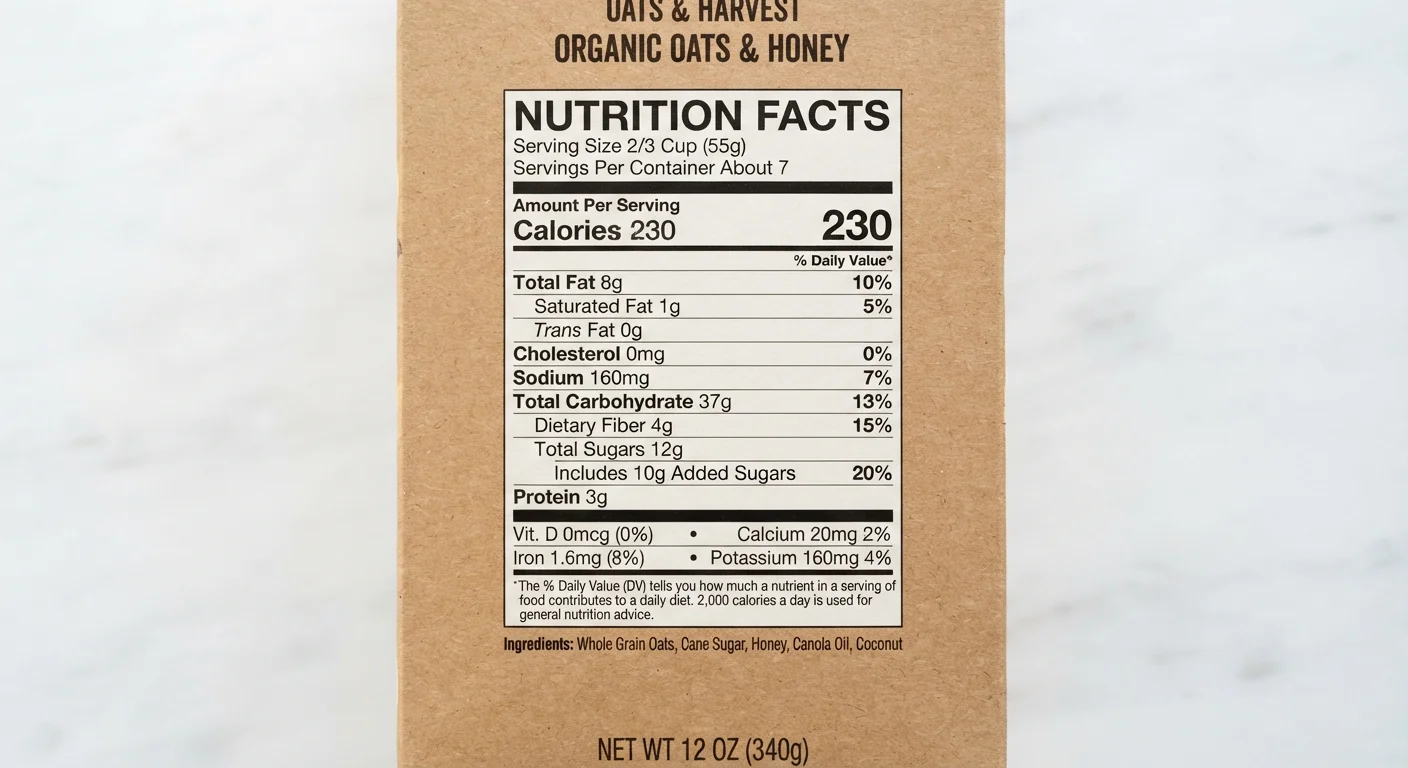
Photo: CoralScripts.com | Explore, Discover, Engage editorial
—— In This Article
Key Takeaways
- Serving size is the anchor for every number on the label - always check it first.
- % Daily Value tells you how much a nutrient contributes to a 2,000-calorie reference diet.
- Nutrients like added sugars, sodium, and saturated fat have recommended upper limits; others like fiber and potassium have targets to meet.
- The ingredients list and the nutrition panel together give the most complete picture of a food.
- Daily Values are population-level reference figures and may not match your individual needs.
Why the Nutrition Facts Label Exists
The FDA's Nutrition Facts label has been required on most packaged foods sold in the United States since the early 1990s, with a significant update rolled out between 2016 and 2020. Its purpose is straightforward: give consumers standardized, science-based information so they can compare foods and make choices aligned with their health goals.
Unlike front-of-package claims - which are marketing tools subject to varying regulatory standards - the nutrition facts panel follows strict formatting and disclosure rules. That consistency makes it one of the most reliable pieces of information on any food package. To understand how broader reference figures like RDAs and Daily Values are constructed, see our guide on dietary reference intakes and what the numbers don't tell you.
Labels Reflect Population Averages, Not Your Needs
The % Daily Values on a nutrition facts label are calculated against a 2,000-calorie-per-day reference diet established for the general adult population. Your actual calorie and nutrient requirements depend on your age, sex, activity level, and health status. For personalized guidance, consult a registered dietitian or your healthcare provider.
How to Read the Label Step by Step
The sections below walk through each part of a standard nutrition facts label in the order they appear, top to bottom. Working through them systematically builds a habit that becomes second nature over time.
What you will need
Packaged food product
Provides the actual nutrition facts label you will practice reading.
FDA's interactive nutrition label guide (fda.gov)
Official reference explaining each label section with annotated examples.
Start with Serving Size and Servings Per Container
The very first block on the label - serving size and number of servings per container - controls every figure that follows. All calories and nutrient amounts are reported per one serving, not per package. If a bag of crackers lists a serving size of 15 crackers but you eat 30, every number on the label doubles for your actual intake.
The updated FDA label format (required for most manufacturers since 2020) uses a larger, bolder font for both serving size and calories to make this relationship more visible. Check whether the serving size reflects how you realistically eat the food.
Read the Calorie Count in Context
Calories measure total energy per serving. While calorie needs vary considerably by individual, the label's reference point is 2,000 calories per day. Calories alone do not indicate whether a food is nutritious - a food can be calorie-dense and nutrient-rich (like nuts) or calorie-light and nutrient-poor.
Use calories as one data point alongside the nutrient breakdown rather than the sole criterion for evaluating a food.
Examine the Nutrients to Limit
The label groups certain nutrients under an implicit "limit these" category because most Americans consume them in excess relative to current dietary guidelines:
- Saturated fat: Linked to cardiovascular risk at high intake levels; daily value is 20 g.
- Trans fat: No daily value is set because there is no safe established amount; aim for as little as possible.
- Sodium: Daily value is 2,300 mg; many processed foods contribute substantially.
- Added sugars: Distinguished from naturally occurring sugars (such as those in fruit or dairy); daily value is 50 g. High added-sugar intake is associated with dental health concerns and metabolic effects.
Look for Nutrients to Get Enough Of
The lower portion of the label highlights nutrients many Americans tend to under-consume:
- Dietary fiber: Supports digestive health and is associated with cardiovascular benefits; daily value is 28 g.
- Vitamin D and calcium: Critical for bone health; many adults fall short.
- Iron: Essential for oxygen transport; needs vary significantly by age and sex.
- Potassium: Supports healthy blood pressure; daily value is 4,700 mg.
Foods with higher % Daily Values for these nutrients can help close common dietary gaps.
Interpret % Daily Value Correctly
The % Daily Value (%DV) column translates raw gram or milligram amounts into a percentage of the recommended daily intake for a 2,000-calorie diet. It answers the practical question: How much does one serving of this food contribute toward - or against - my daily targets?
For nutrients you want to limit (saturated fat, sodium, added sugars), lower %DVs are preferable. For nutrients you want to get enough of (fiber, potassium, vitamins), higher %DVs are preferable.
Cross-Reference with the Ingredients List
The nutrition facts panel and the ingredients list are complementary tools. The panel quantifies; the ingredients list qualifies. Ingredients are listed in descending order by weight, so the first three to five ingredients represent the majority of what you are eating.
For example, a product may show a modest amount of added sugars in grams, but the ingredients list might reveal three or four different sugar sources (corn syrup, cane sugar, maltose, honey) - each individually lower in weight but collectively significant.
Once you are comfortable reading the standard label, our article on misleading nutrition claims and the language behind them can help you critically assess front-of-package marketing language.
Use the 5% and 20% Rule of Thumb
A % Daily Value of 5% or less is generally considered low for any nutrient; 20% or more is considered high. This quick mental check helps you rapidly assess whether a food is a meaningful source of a nutrient - or a significant contributor to one you may want to limit.
Putting It All Together
Reading a nutrition facts label fluently takes practice across many products and food categories. A single label reading tells you about one food in isolation; the real value emerges when you compare labels across similar products or track patterns across your overall diet.
Keep in mind that no packaged food label captures everything relevant to health - preparation methods, meal context, and dietary patterns across days and weeks all matter. For broader guidance on evaluating nutrition information critically, our article on getting nutrition information you can actually trust provides a useful framework.
Don't Judge a Food by One Number
Focusing on a single nutrient - such as calories or fat - can create a misleading picture of a food's overall quality. A food low in calories may be high in sodium or added sugars. Read the full panel and the ingredients list together before drawing conclusions.
This article is for general informational and educational purposes only and does not constitute medical or dietary advice. Individual nutritional needs vary. Consult a registered dietitian or qualified healthcare provider before making significant changes to your diet.

Health & Wellness Editorial Team
Health & Wellness Editorial Team is the collective byline for our editorial team and contributor network. Articles published under this byline or an editorial pen name are researched, written, and reviewed according to our editorial standards for clarity, consistency, and independence before publication.
View author profile