
Reading Your Tyres Before They Fail
Uneven tread, bulges, and cracking each tell a different story. Learn to interpret tyre wear patterns and what they reveal about your vehicle.
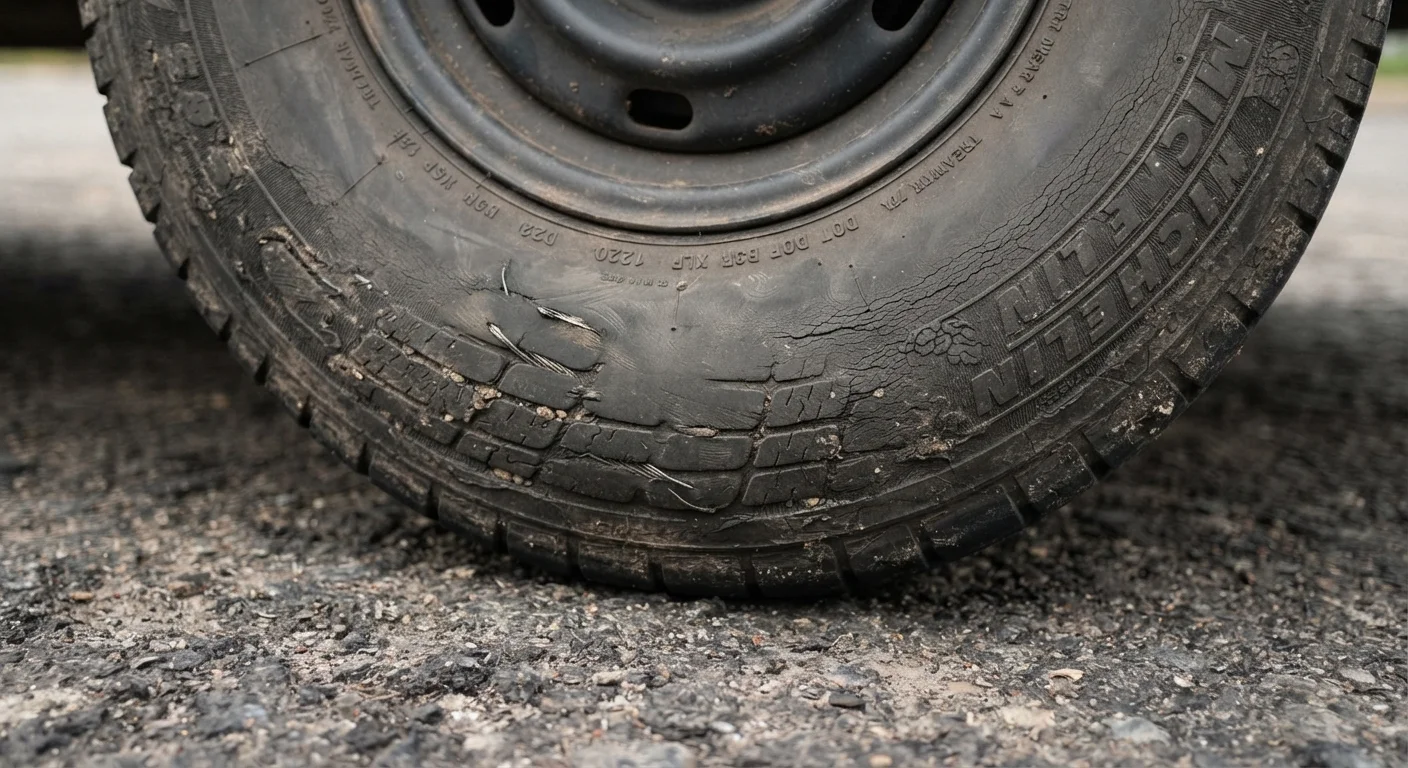
Photo: CoralScripts.com | Explore, Discover, Engage editorial
—— In This Article
Key Takeaways
- Wear concentrated on both tread edges typically signals chronic underinflation.
- Centre-only wear is a sign the tyre has been running overinflated for an extended period.
- Diagonal or one-sided wear points to alignment or suspension faults, not the tyre itself.
- Cupping or scalloping is a strong indicator of worn shock absorbers or struts.
- Sidewall bulges and cracking require immediate professional inspection - do not delay.
- US law requires a minimum of 2/32 inch tread depth; replacing at 4/32 inch is the safer standard.
Why Tyres Wear the Way They Do
A tyre wears wherever it contacts the road most aggressively. That contact patch is shaped by three main variables: inflation pressure, wheel alignment angles, and the mechanical condition of suspension and steering components. When all three are in spec, a tyre wears evenly across its full tread width. When any one variable is off, the load concentrates in a specific zone - and that concentration leaves a readable signature.
Understanding that signature is the practical skill this article builds. Rather than waiting for a warning light or a sudden pull in the steering, drivers who inspect their tyres regularly can catch developing problems weeks or months before they become costly or dangerous. See our pre-trip vehicle inspection guide for how tyre checks fit into a complete readiness routine.
2/32"
Minimum legal tread depth in most US states
The NHTSA identifies bald or worn tyres as a contributing factor in thousands of crashes annually; 2/32 inch is the federally referenced minimum, though 4/32 inch is widely recommended as the practical replacement threshold.
~25%
Of passenger vehicles on US roads with at least one significantly worn tyre
Periodic roadside surveys conducted by tyre industry organizations have consistently found that roughly one in four vehicles has at least one tyre at or near the legal wear limit.
6 years
Age at which most manufacturers recommend tyre inspection regardless of tread
Rubber compounds degrade through oxidation and UV exposure even when a tyre has not been heavily used; most tyre manufacturers and vehicle OEMs recommend expert inspection from six years and replacement by ten years from the manufacture date.
The Six Core Wear Patterns and What Each Reveals
Centre Wear
When tread is consumed primarily down the middle of the tyre, with the outer edges remaining relatively full, the tyre has been chronically overinflated. Excess pressure forces the tyre to balloon slightly, so the centre of the contact patch bears a disproportionate share of the load. The fix is simple: restore pressure to the manufacturer's specification found on the door jamb placard - not the maximum pressure molded into the tyre sidewall.
Edge Wear (Both Sides)
Wear concentrated along both outer edges while the centre remains relatively unworn is the opposite problem: underinflation. A soft tyre flattens under load, spreading the contact patch so that the shoulders do most of the work. Underinflation also increases heat buildup and rolling resistance, which accelerates wear and raises blowout risk.
One-Sided Wear
When one edge of a tyre wears significantly faster than the other - regardless of inflation - the cause is almost always a wheel alignment fault. Excessive negative or positive camber (the vertical tilt of the wheel when viewed from the front) causes the tyre to roll at an angle rather than flat. Toe misalignment produces a similar result. Neither problem corrects itself; both require a wheel alignment service.
Cupping or Scalloping
Cupping appears as rhythmic high-and-low spots around the tread circumference, producing a wavy or scalloped surface. It occurs when a tyre bounces rather than rolls smoothly - a direct sign that shock absorbers or struts are worn and no longer controlling wheel movement effectively. Cupped tyres often generate a noticeable thudding or droning noise at highway speeds.
Diagonal or Patchy Wear
Irregular diagonal patches across the tread face can point to worn or loose suspension components - tie rod ends, ball joints, or wheel bearings that allow the wheel to move in ways it shouldn't. It can also result from infrequent tyre rotation, which allows localized stress to compound over time.
Flat Spots
A single flat spot, typically accompanied by vibration at a consistent speed, usually traces to a hard emergency stop that locked a wheel before ABS intervened, or to a vehicle sitting stationary for an extended period in cold weather. Mild flat spots sometimes wear away; severe ones indicate the tyre should be replaced.
Use a Tread Depth Gauge, Not Just a Coin
The penny test is a widely known field check, but a dedicated tread depth gauge - available for a few dollars at any auto parts counter - gives you an actual measurement in 32nds of an inch. This lets you track how quickly a tyre is wearing over time and spot uneven readings across the tread width, which a coin cannot reliably reveal.
Sidewall and Structural Warning Signs
Tread wear tells part of the story; the sidewall tells another. Bulges or bubbles on the sidewall indicate internal structural damage - typically a broken cord within the tyre's carcass caused by a sharp impact with a pothole or curb. The bulge is essentially a hernia: the outer rubber is all that is containing air pressure at that point. A tyre in this condition is at serious risk of sudden failure and must be inspected by a professional immediately and replaced if confirmed damaged.
Surface cracking along the sidewall is common on older or UV-exposed tyres and ranges from cosmetic to serious. Fine surface crazing in the rubber compound is a sign of age-related oxidation. Deeper cracks that penetrate toward the cord structure are a structural concern. As a general rule, any tyre more than six years old - regardless of tread depth - deserves close sidewall scrutiny; most manufacturers consider ten years the absolute service limit. For reference on how to read the manufacturing date code and other sidewall markings, see our tyre sidewall decoding guide.
Building Tyre Inspection Into Your Routine
A meaningful tyre inspection takes under five minutes and requires nothing more than good light, a tyre pressure gauge, and a tread depth gauge or coin. Check pressure monthly and before any extended highway journey - pressure readings taken cold (before driving) are the most accurate. Walk around the vehicle and visually scan each tyre for sidewall damage, obvious deflation, and any embedded objects in the tread.
Every 5,000 to 7,500 miles, rotate tyres according to your owner's manual's recommended pattern and take the opportunity to inspect tread depth at multiple points across the width of each tyre. A single depth reading in the centre groove misses edge wear entirely. Comparing readings across three points - centre and both shoulders - takes seconds and catches the patterns described above.
Tyre health connects directly to brake performance. If you notice uneven wear accompanied by changes in how your vehicle stops, our guide to interpreting brake feel explains what the combination of symptoms may indicate. Similarly, seasonal maintenance cycles are an ideal prompt to perform a thorough tyre check, particularly before winter conditions arrive.
This article is provided for general informational purposes. For diagnosis or repair of specific vehicle conditions, consult a qualified automotive technician.
Frequently Asked Questions

Cars & Driving Editorial Team
Cars & Driving Editorial Team is the collective byline for our editorial team and contributor network. Articles published under this byline or an editorial pen name are researched, written, and reviewed according to our editorial standards for clarity, consistency, and independence before publication.
View author profile