
Things First-Time International Travelers Assume About Safety That Aren't Quite Right
Outdated assumptions about "dangerous" destinations and overconfidence about "safe" ones can both lead travelers astray. Here's a clearer picture.
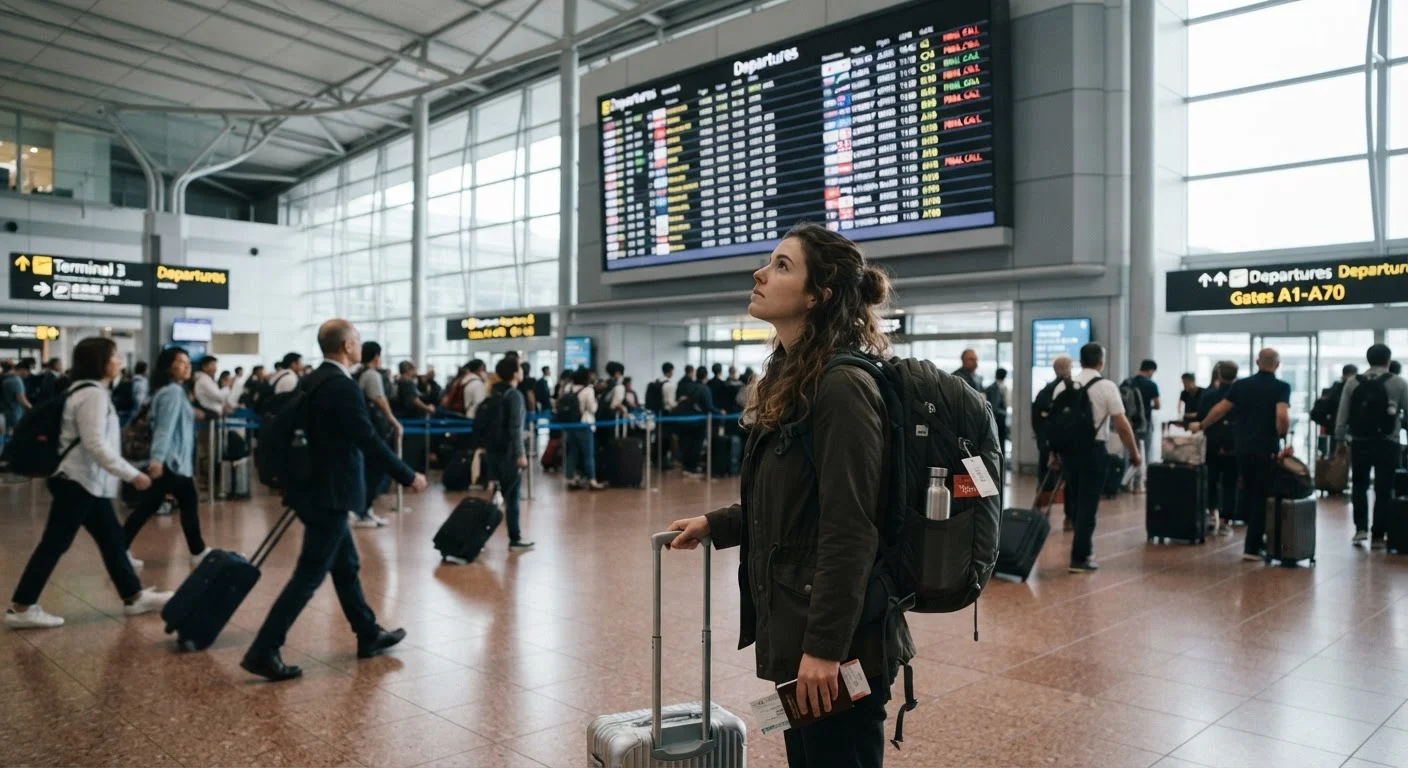
Photo: CoralScripts.com | Explore, Discover, Engage editorial
—— In This Article
Key Takeaways
- State Department travel advisories use four distinct levels — most countries fall under Level 1 or 2, not blanket danger.
- Familiar Western destinations carry real risks like pickpocketing and petty theft that travelers frequently underestimate.
- Travel insurance gaps — especially for medical evacuation — catch many first-timers off guard when it matters most.
- Blending in with locals is harder than tourists assume, and drawing attention isn't always the main safety risk.
- Registering your trip with the U.S. Embassy via STEP takes minutes and provides a genuine safety net abroad.
Where These Assumptions Come From
Safety assumptions about international travel rarely emerge from nothing. They accumulate from news coverage that disproportionately reports dramatic events, social media impressions, and secondhand stories from friends who visited a destination once, years ago. The result is a mental map that bears only a loose relationship to actual conditions on the ground.
For American travelers heading abroad for the first time, this matters practically. Overestimating danger in a perfectly manageable destination may mean missing a genuinely rewarding trip. Underestimating risks in a place that feels culturally familiar can leave travelers exposed. Both errors are common — and both are correctable with better information. See our guide to researching a destination without being overwhelmed for a structured approach to gathering reliable pre-trip intelligence.
Myth
Countries with State Department travel advisories are simply too dangerous to visit.
Fact
The State Department uses a four-level advisory system; most countries in the world are rated Level 1 (Exercise Normal Precautions) or Level 2 (Exercise Increased Caution).
A travel advisory is not a travel ban. The State Department's system distinguishes between Level 1 (normal precautions), Level 2 (increased caution), Level 3 (reconsider travel), and Level 4 (do not travel). The majority of popular international destinations — including many in Latin America, Southeast Asia, and Africa — carry Level 1 or 2 advisories, comparable to advisories that exist for parts of Western Europe. Advisories also often apply to specific regions within a country, not the entire nation. Reading the full advisory text, rather than just the overall rating, gives a far more useful picture of actual conditions.
Myth
Western Europe and other developed destinations are essentially free of safety concerns.
Fact
High-income tourist destinations consistently rank among the top locations for pickpocketing, tourist-targeted scams, and opportunistic theft.
Major European cities — including Paris, Rome, Barcelona, and Prague — are routinely cited by travel authorities for elevated rates of petty theft targeting tourists. Crowded transit hubs, popular landmarks, and restaurant terraces are common settings. This is not a reason to avoid these destinations, but it is a reason to apply the same situational awareness travelers would exercise anywhere. Assuming that a high standard of living in a destination correlates with low personal safety risk is a reliable way to become distracted and vulnerable.
Myth
Carrying a copy of your passport is sufficient if the original is lost or stolen abroad.
Fact
A photocopy alone is generally not accepted as a travel document; you will need to report the loss to local police and visit the nearest U.S. Embassy or consulate to obtain an emergency passport.
While a photocopy can assist in verifying your identity during the emergency passport process, it does not function as a substitute travel document for crossing borders or in most official contexts. Travelers should store a digital copy of their passport in a secure cloud location and note the contact details for the nearest U.S. Embassy before departure. The practical groundwork guide for first-time American travelers abroad covers this and other documentation essentials in more detail.
Myth
Looking like a tourist is the primary reason travelers become targets.
Fact
Distraction, not appearance, is the most consistently exploited factor in tourist-targeted theft and scams.
While standing out visually can attract attention in some contexts, experienced pickpockets and scammers primarily rely on manufactured distraction — a staged argument nearby, someone asking for directions, an unexpected bump in a crowd. Travelers who are engaged with their phones, consulting paper maps, or carrying bags loosely are far more vulnerable than those who simply look foreign. Situational awareness — knowing what is around you and securing valuables proactively — is more protective than attempting to dress or act like a local, which is rarely convincing and not the primary variable anyway.
Myth
Your U.S. health insurance will cover medical emergencies abroad.
Fact
Most U.S. domestic health insurance plans provide limited or no coverage outside the country, and Medicare does not cover overseas medical care at all.
This is one of the most consequential and widespread misunderstandings in international travel. Many American travelers assume their health insurance travels with them; in most cases, it does not extend meaningfully beyond U.S. borders. Even plans that offer some international coverage often require you to pay out of pocket upfront and submit for reimbursement later — a difficult process when dealing with a medical emergency in a foreign country. Medical evacuation to a facility with appropriate care can cost well over $100,000 in remote regions. Reviewing your specific policy before departure — and considering a supplemental travel medical policy — is an important step, not an optional one. For personal medical coverage decisions, consult a licensed insurance professional familiar with your specific plan and destination.
Practical Steps That Actually Reduce Risk
Correcting misconceptions is only half the work. Translating clearer thinking into concrete pre-trip habits is where the real safety dividend lies.
Level 1 or 2
Advisory level for most visited international destinations
According to the U.S. State Department's travel advisory system, the majority of countries receive the two lower-risk advisory levels, not warnings to avoid travel.
~$100,000+
Estimated cost of international medical evacuation
Medical evacuation from remote international locations can exceed six figures — a cost rarely covered by standard U.S. domestic health insurance plans.
The U.S. Department of State's Smart Traveler Enrollment Program (STEP) is one of the most underused tools available to American travelers. Registering takes a few minutes and ensures the nearest U.S. Embassy can contact you during an emergency, natural disaster, or civil unrest. It also makes it easier for family at home to reach you through official channels if communication becomes difficult.
Travel insurance deserves serious attention beyond the cursory checkbox it often receives. Standard policies vary significantly in what they cover — particularly around medical evacuation, which can cost tens of thousands of dollars out of pocket in regions with limited hospital infrastructure. Our detailed breakdown of travel insurance coverage and exclusions walks through what to look for before purchasing.
Finally, entry requirements — visas, health documentation, proof of onward travel — change more frequently than travelers expect. Always verify current requirements directly with the destination country's official embassy or consulate, and check the State Department's country information pages before departure. For broader preparation across logistics and documents, the comprehensive pre-departure checklist for first-time international travelers is a useful starting point.

Travel & Places Editorial Team
Travel & Places Editorial Team is the collective byline for our editorial team and contributor network. Articles published under this byline or an editorial pen name are researched, written, and reviewed according to our editorial standards for clarity, consistency, and independence before publication.
View author profile