
Common Myths About Sharks That Distort Public Perception
Sharks are widely misunderstood. Separate Hollywood fiction from marine biology fact on one of the ocean's most vital species.
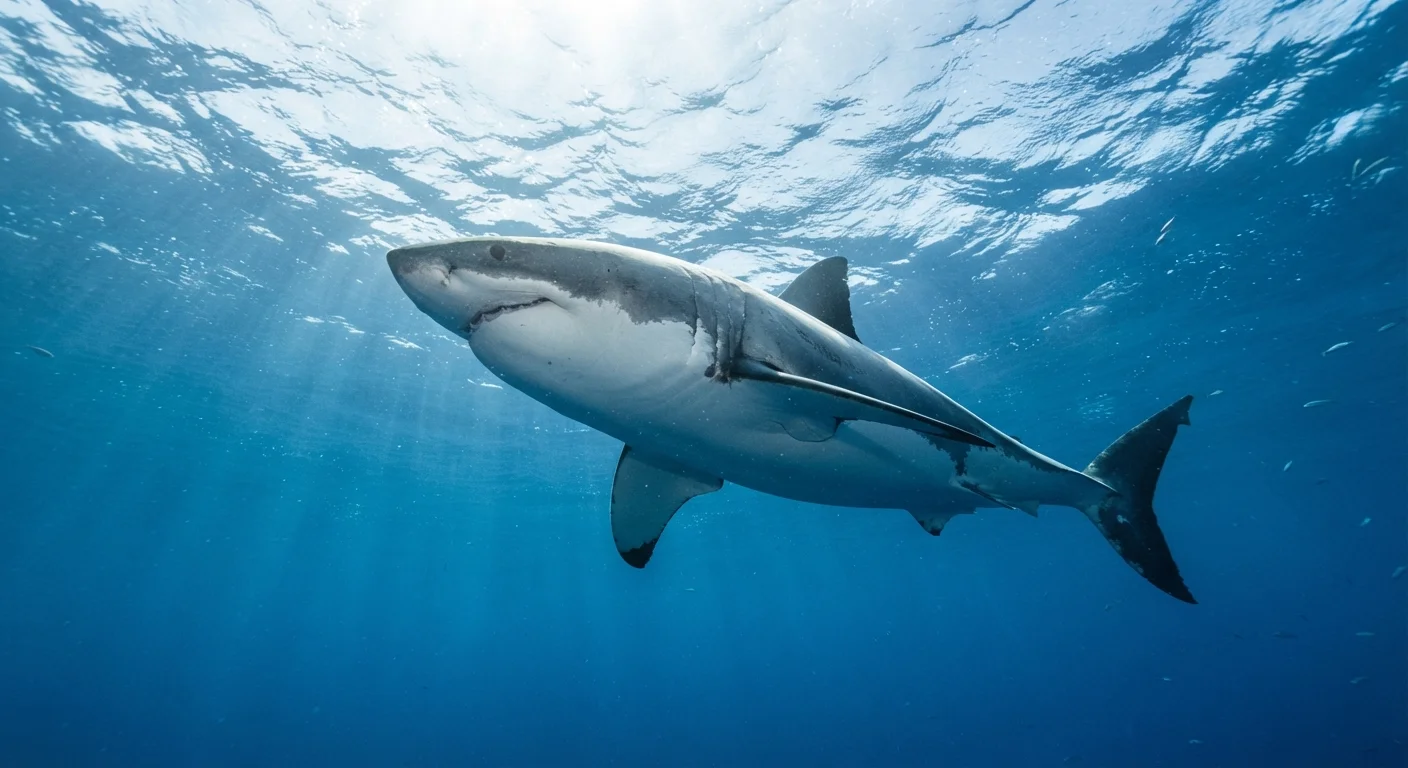
Photo: CoralScripts.com | Explore, Discover, Engage editorial
—— In This Article
Key Takeaways
- Sharks kill far fewer humans annually than many common animals, including dogs and even cows.
- Most shark species pose no threat to humans and many are critically endangered.
- Sharks are keystone predators whose removal destabilizes entire marine ecosystems.
- Sharks do not target humans as prey - most bites are investigatory and result from mistaken identity.
- Popular media, particularly film, has disproportionately shaped - and distorted - public fear of sharks.
Why Shark Myths Persist - and Why They Matter
Few animals carry a heavier burden of misconception than sharks. Decades of sensationalized media coverage, blockbuster films, and tabloid headlines have calcified a set of beliefs about sharks that bear little resemblance to what marine biologists actually observe. The consequences are not trivial: public fear shapes conservation policy, fishing regulation, and funding priorities. When a species is perceived as a villain, protecting it becomes politically difficult.
Sharks have existed on Earth for more than 450 million years - predating the dinosaurs by roughly 200 million years. They have survived five mass extinction events. Yet today, many shark species face a human-caused decline more severe than anything in their evolutionary history. Separating myth from fact is not just an intellectual exercise; it is a prerequisite for meaningful conservation.
Myth
Sharks are mindless killing machines that actively hunt humans.
Fact
Sharks do not target humans as prey. The vast majority of bites are exploratory and result from mistaken identity, not predation.
The "mindless killer" image owes more to the 1975 film Jaws than to marine biology. Sharks are highly evolved sensory predators, but humans are not part of their natural diet. When bites do occur - most often involving surfers or swimmers in low-visibility water - researchers interpret them as investigatory behavior. Sharks explore unfamiliar objects with their mouths. A surfboard from below can resemble a seal, a primary food source for great whites. After the initial contact, most sharks disengage rather than continue feeding, which is inconsistent with purposeful predation.
Myth
Shark attacks are common and represent a major threat to human life.
Fact
Unprovoked shark bites are statistically rare. Globally, fatal shark encounters number in the single digits to low tens per year.
The International Shark Attack File (ISAF), maintained by the Florida Museum of Natural History, tracks global shark-human interactions. In most recent years, unprovoked bites total between 60 and 80 worldwide - and a fraction of those prove fatal. For context, data from the U.S. Centers for Disease Control and Prevention consistently shows that domestic dogs cause more human fatalities in the United States alone each year than sharks do globally. Vending machines and falling coconuts are cited in comparative risk literature more often than is comfortable.
Myth
All sharks are large, aggressive, and dangerous to humans.
Fact
There are more than 500 described shark species, and the overwhelming majority are small, docile, and completely uninterested in humans.
Shark diversity is extraordinary. The dwarf lantern shark, for instance, fits in an adult human's hand. Filter feeders like whale sharks and basking sharks - among the largest fish in the ocean - subsist entirely on plankton and small organisms. Of more than 500 species, fewer than a dozen are considered potentially dangerous in rare circumstances. Species like the nurse shark, horn shark, and epaulette shark are so docile that they are commonly handled by researchers and observed resting on reef floors. Conflating all sharks with the handful of large, occasionally bite-prone species misrepresents the entire class.
Myth
Sharks have no ecological importance and their disappearance wouldn't matter.
Fact
Sharks are keystone predators whose removal cascades destructively through marine food webs.
As apex predators, sharks regulate the populations of species below them in the food web. When shark populations collapse, prey species - like certain rays - can explode in number, decimating the shellfish and smaller fish those prey species consume. A well-documented example from the U.S. East Coast showed that the reduction of large coastal sharks contributed to a surge in cownose rays, which devastated scallop fisheries. See how apex predators regulate entire ecosystems for a broader look at this dynamic across species.
Myth
Sharks can smell a single drop of blood from a mile away and immediately attack.
Fact
Sharks have acute olfactory senses, but the "drop of blood from a mile away" claim dramatically overstates their ability and misrepresents their response.
Sharks can detect certain compounds at low concentrations - some studies suggest detection thresholds in parts per million or billion depending on the compound - but this varies widely by species, water conditions, and the chemical in question. More importantly, detecting a scent and launching a directed attack are entirely different behaviors. Sharks use a combination of senses including lateral line detection (sensing water pressure changes), electroreception via ampullae of Lorenzini, vision, and smell - integrating multiple signals before responding. Menstrual blood has been studied and does not appear to trigger disproportionate responses compared to other biological fluids.
The Real Statistics Behind Shark Encounters
Quantitative context dramatically reframes the risk conversation around sharks. Just as misconceptions about other topics - whether mental health conditions or workplace behavior - cause real harm when left unchallenged, shark myths erode sound decision-making about ocean ecosystems.
~70
Unprovoked shark bites globally per year
The International Shark Attack File records an average of roughly 70 unprovoked shark bites annually worldwide, with fewer than 10 fatalities in most years.
71%
Decline in shark and ray populations since 1970
A 2021 study published in Nature estimated a 71% reduction in oceanic shark and ray populations over the past five decades, primarily due to overfishing.
500+
Known shark species worldwide
Scientists have described more than 500 shark species, ranging from deep-sea dwellers to reef inhabitants, most of which pose no threat to humans.
These numbers put the perceived threat in proportion. Sharks occupy the role of apex predator in most marine environments, regulating prey populations and maintaining biodiversity. A world without effective shark populations is not safer for humans - it is more ecologically unstable for everything that depends on healthy ocean systems.
Shark Populations Are in Crisis
According to research published in the journal Nature, global shark and ray populations have declined by roughly 71% since 1970, driven primarily by overfishing. Public fear rooted in myth undermines the political will to protect these animals. Conservation begins with accurate understanding.
Respecting Sharks in Their Environment
Understanding sharks accurately does not require abandoning caution - it requires calibrating it. Researchers who dive with sharks regularly describe complex, behaviorally rich animals that respond to environmental cues, posture, and context in nuanced ways. The growing ecotourism industry around shark diving in places like the Bahamas and South Africa has demonstrated that non-aggressive interaction is not only possible but repeatable across thousands of dives.
Ocean Safety Is Still Important
Correcting myths about sharks does not mean ignoring reasonable ocean safety practices. Avoid swimming at dawn or dusk, near fishing activity, or in murky water near river mouths - not because sharks are predatory toward humans, but because visibility and environmental context matter. Always follow posted beach advisories.
Informed respect - rather than irrational fear - is the appropriate framework. Just as travelers visiting wild environments, such as those who encounter misconceptions about Alaskan wildlife, benefit from accurate information over myth, ocean-goers make better decisions when they understand animal behavior rather than reacting to fictional portrayals. Sharks are not threats to be eliminated; they are ecologically essential animals that deserve the same evidence-based public understanding we extend to any wildlife species.

Pets & Animal Life Editorial Team
Pets & Animal Life Editorial Team is the collective byline for our editorial team and contributor network. Articles published under this byline or an editorial pen name are researched, written, and reviewed according to our editorial standards for clarity, consistency, and independence before publication.
View author profile