
Common Myths About Feeding Pets Human Food
Not all table scraps are equal, and not all warnings are accurate. Sorting fact from fiction on what human foods are actually harmful to pets.
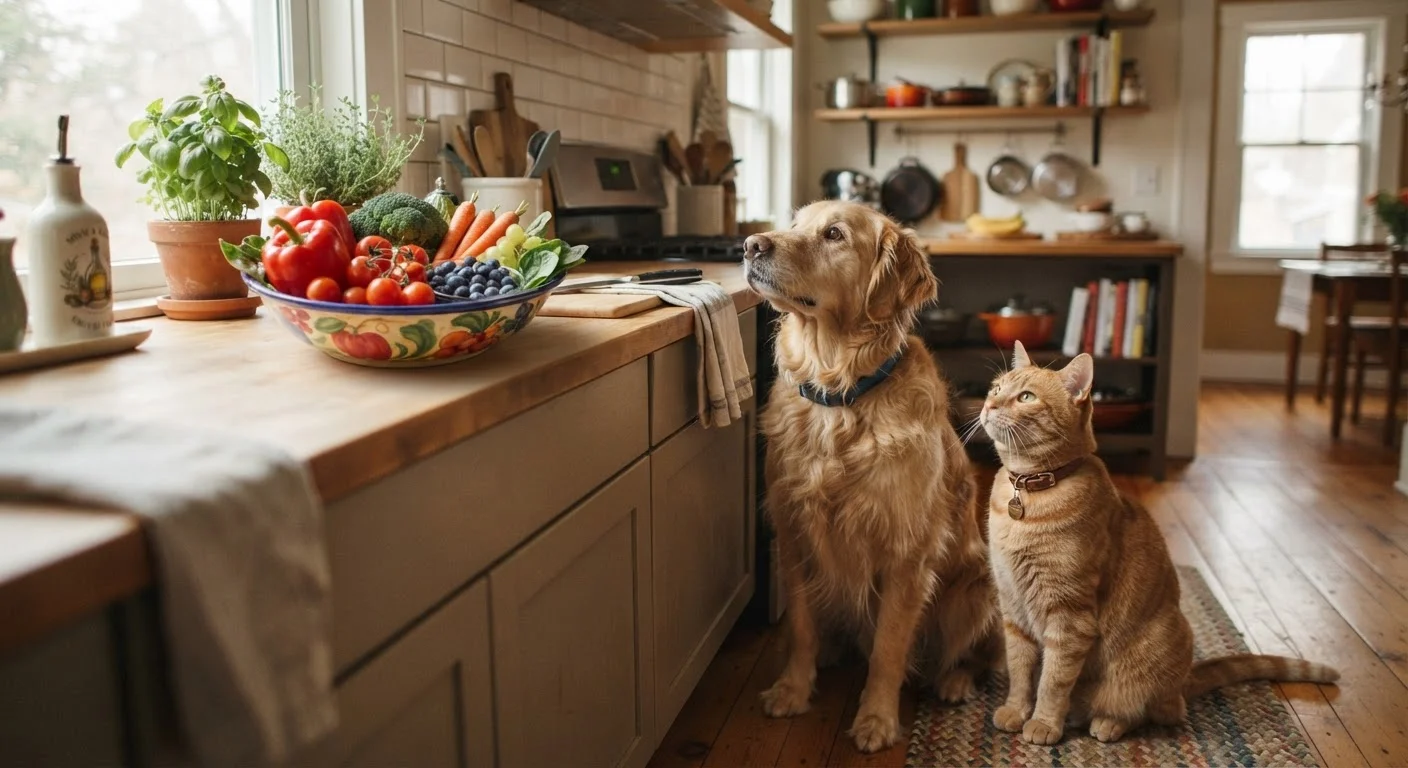
Photo: CoralScripts.com | Explore, Discover, Engage editorial
—— In This Article
Key Takeaways
- Several commonly feared human foods are actually safe for pets in moderation.
- A handful of everyday ingredients - including grapes, onions, and xylitol - are genuinely toxic to dogs and cats.
- Species matters: what is harmless to a dog may be dangerous to a cat, and vice versa.
- Table scraps become a nutritional problem when they displace a pet's balanced diet, not simply by existing.
- When in doubt about a specific food, a veterinarian is the most reliable source of guidance.
Why Pet Food Myths Persist
Advice about feeding pets human food spreads quickly - through well-meaning family members, social media threads, and even outdated veterinary pamphlets. The result is a confusing mix of genuine caution and exaggerated fear, with a few dangerous blind spots scattered in between.
Sorting accurate information from myth matters practically. Overreaction leads owners to feel guilty about sharing a plain piece of chicken; underreaction can lead to accidental poisoning. The goal is a clear, evidence-based picture of what actually poses risk and what does not. For a broader look at how to evaluate nutrition claims in general, see how to assess nutrition sources.
Myth
All human food is bad for pets and should never be shared.
Fact
Many human foods are entirely safe for pets and pose no health risk when offered occasionally and in appropriate amounts.
Plain cooked chicken, turkey, carrots, blueberries, green beans, and plain cooked rice are routinely recommended by veterinarians as low-risk additions or meal toppers for dogs. Cats can safely eat plain cooked fish or chicken as an occasional supplement. The operative words are plain and occasional - added seasoning, sauces, or butter change the equation entirely. The blanket prohibition on all human food has no scientific basis and can make owners unnecessarily anxious about harmless sharing.
Myth
Grapes are fine for dogs - they're natural and healthy.
Fact
Grapes and raisins are genuinely toxic to dogs and can cause acute kidney failure, even in small amounts.
This is one of the most dangerous misconceptions because grapes appear wholesome and are frequently given as treats. The specific toxic compound has not been definitively identified, which means no dose is considered safe. Raisins are even more concentrated and carry a higher risk per gram. Symptoms - including vomiting, lethargy, and reduced urination - may not appear for 24 hours. Any ingestion warrants an immediate call to a veterinarian or animal poison control center. Currants carry a similar risk and should be treated the same way.
Myth
Onions and garlic only cause problems in very large quantities.
Fact
Both onions and garlic contain compounds that damage red blood cells in dogs and cats, and cumulative small exposures are a real concern.
Thiosulfate compounds found in alliums - including onions, garlic, leeks, and chives - oxidize red blood cells and cause hemolytic anemia in pets. Cats are more sensitive than dogs, but neither species handles these foods safely. The risk is cumulative: small daily amounts added to food over weeks can cause the same damage as a single larger dose. Powdered forms (garlic powder, onion powder) are more concentrated by weight than fresh, making seasoned human food particularly risky even in modest portions.
Myth
Dogs can eat anything sweet - it's just empty calories.
Fact
Xylitol, a sweetener found in many sugar-free products, is severely toxic to dogs and can cause life-threatening hypoglycemia and liver failure.
Xylitol is widely used in sugar-free gum, some peanut butters, candy, baked goods, and certain medications. In dogs, it triggers a rapid release of insulin that crashes blood glucose within 30-60 minutes, causing weakness, vomiting, and seizures. Higher doses have been associated with acute liver failure. Cats appear less susceptible based on current evidence, but data is limited. Owners should read labels carefully on any product before sharing - particularly peanut butter, which is otherwise a popular dog treat.
Myth
Milk and dairy are a natural, nutritious treat for cats.
Fact
Most adult cats are lactose intolerant and do not digest dairy well, often experiencing gastrointestinal upset after consuming it.
The image of a cat lapping from a bowl of milk is deeply embedded in popular culture, but it does not reflect feline physiology. Adult cats produce limited lactase - the enzyme needed to break down lactose - and dairy consumption frequently results in diarrhea, vomiting, or abdominal discomfort. Kittens produce more lactase but still do not require cow's milk. A small amount of plain, full-fat yogurt is tolerated by some cats because the fermentation process reduces lactose content, but dairy should not be a routine offering.
Myth
Feeding pets from the table teaches bad behavior permanently.
Fact
Table-feeding can reinforce begging, but the behavior is trainable and is not hardwired by a single shared meal.
The concern here is behavioral, not physiological, and it is somewhat overstated. Begging is a learned behavior shaped by intermittent reinforcement - the unpredictability of when food will be offered is what makes the behavior persistent, not the act of sharing food itself. Owners who consistently offer food from a separate bowl on the floor, never directly from the table or plate, can provide human-food supplements without encouraging begging. The nutritional content of what is shared matters far more than the location of delivery.
Putting Human Food in Context
Even foods that are safe in isolation can become a problem when they crowd out a nutritionally complete diet. A pet food label's guaranteed analysis and AAFCO statement exist precisely to confirm that a formulated diet meets species-specific requirements - something a plate of table scraps cannot reliably do. If you want a deeper understanding of what those labels actually mean, Pet Nutrition Labels Decoded breaks down each section clearly.
~1 in 4
US pets classified as overweight or obese
Veterinary estimates consistently place the proportion of overweight dogs and cats in the US between 25% and 40%, with high-calorie human food supplementation cited as a contributing factor.
Top 10
Xylitol among most common pet toxin calls
The ASPCA Animal Poison Control Center routinely lists xylitol among the most frequently reported toxin exposures in dogs each year.
Beyond individual ingredients, the cumulative pattern of what pets eat determines their long-term health. Owners who regularly supplement with high-calorie human foods without adjusting their pet's main diet often see gradual weight gain - a risk factor for joint disease, diabetes, and cardiac issues in both dogs and cats. For a wider view of habits that can quietly affect pet wellbeing, see Everyday Habits That Quietly Harm Pets.
When to Contact Animal Poison Control
If your pet has consumed grapes, raisins, onions, garlic, xylitol, chocolate, macadamia nuts, or alcohol - even in small amounts - contact your veterinarian or the ASPCA Animal Poison Control Center immediately. Do not wait for symptoms to appear. Early intervention significantly improves outcomes in most toxin ingestion cases.
This article is for general educational purposes only and is not a substitute for professional veterinary advice. Always consult a licensed veterinarian before making significant changes to your pet's diet.

Pets & Animal Life Editorial Team
Pets & Animal Life Editorial Team is the collective byline for our editorial team and contributor network. Articles published under this byline or an editorial pen name are researched, written, and reviewed according to our editorial standards for clarity, consistency, and independence before publication.
View author profile