
Credit & Debt from the Ground Up: A Primer for First-Time Borrowers
New to borrowing? This guide walks through credit reports, debt types, interest, and how your financial habits build your record.
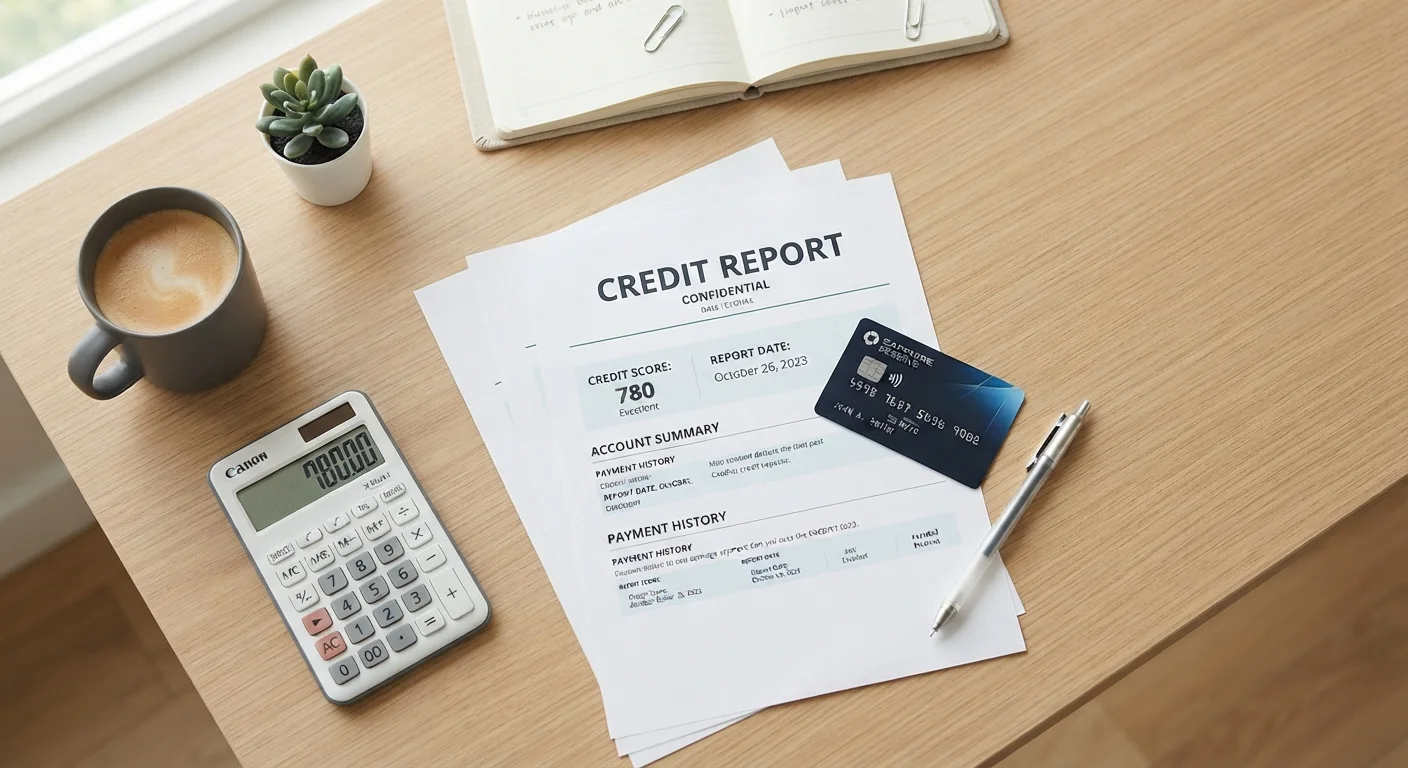
Photo: CoralScripts.com | Explore, Discover, Engage editorial
—— In This Article
Key Takeaways
- Credit is a lender's trust that you'll repay borrowed money; debt is what you owe when you use it.
- Secured debts are backed by collateral; unsecured debts are not - each carries different risks.
- Interest compounds over time, meaning carrying a balance costs significantly more than the original amount borrowed.
- Your credit report is a detailed record of your borrowing history, updated by lenders regularly.
- On-time payments and low credit utilization are the two most influential factors in your credit score.
- Reviewing your credit report annually for errors is a simple, free step that protects your financial standing.
What Credit and Debt Actually Mean
Before you sign a loan agreement or open a credit card, it helps to understand two foundational terms that shape your entire financial life. Credit is the capacity a lender extends to you - the trust that you'll repay borrowed funds as agreed. Debt is what you actually owe after using that credit.
These concepts work together: credit opens the door, and debt is what you carry through it. Used thoughtfully, credit enables major life purchases - education, a vehicle, a home - that most people couldn't fund from savings alone. Used carelessly, debt can accumulate faster than income can cover it.
For a deeper dive into the vocabulary surrounding these concepts, the Debt & Credit Glossary is a useful companion reference.
Credit
The permission a lender gives you to borrow money, with the agreement that you'll repay it, usually with interest, over a set period.
Debt
The total amount of money you owe to a lender at any given time, including any interest or fees that have accumulated.
APR (Annual Percentage Rate)
The yearly cost of borrowing money, expressed as a percentage. It includes the interest rate and typically any mandatory fees, making it a useful comparison tool.
Credit Utilization
The percentage of your available revolving credit (like credit card limits) that you're currently using. Lower utilization generally benefits your credit score.
Hard Inquiry
A review of your credit report triggered by a lender when you apply for credit. It can cause a small, temporary dip in your credit score.
Collateral
An asset - such as a home or car - that you pledge as security for a loan. If you fail to repay, the lender may take the collateral to recover its losses.
Types of Debt You'll Encounter
Not all debt is structured the same way, and the distinctions matter. The two broadest categories are secured and unsecured debt.
- Secured debt is backed by collateral - an asset the lender can claim if you stop paying. Mortgages and auto loans are common examples. Because the lender's risk is lower, interest rates tend to be comparatively lower.
- Unsecured debt has no collateral. Credit cards and personal loans fall here. Lenders take on more risk, which is why interest rates are typically higher.
Within these categories, you'll also encounter revolving credit (like credit cards, where your available balance refills as you pay) and installment loans (like student loans or auto loans, where you borrow a fixed sum and repay it over a set schedule).
Understanding how each type works - and the risks attached - is covered in detail in our article on secured vs. unsecured debt.
How Interest Works Against You
Interest is the price of borrowing money. It's expressed as an Annual Percentage Rate (APR), which reflects the yearly cost of the debt including fees. A 20% APR on a credit card means that carrying a $1,000 balance for a full year would cost roughly $200 in interest - assuming simple calculation. In practice, most consumer debt uses compound interest, where unpaid interest is added to your principal balance, and future interest is then charged on that larger amount.
This compounding effect is why minimum payments on high-interest debt can feel like running in place: a large portion goes toward interest rather than reducing the principal. Paying more than the minimum - and paying on time - is the most direct way to reduce what you ultimately spend on borrowed money.
Paying More Than the Minimum Saves Real Money
On a high-interest balance, minimum payments mostly cover interest rather than reducing what you owe. Even modestly increasing your monthly payment - say, paying $50 extra each month - can shorten your repayment timeline significantly and reduce total interest paid. Use a loan amortization calculator to see the numbers for your own balance.
Your Credit Report and Credit Score
Your credit report is a detailed record maintained by three major bureaus - Equifax, Experian, and TransUnion - documenting your borrowing history: accounts opened, balances, payment history, and any negative marks like late payments or collections. Lenders report your activity regularly, so the record updates continuously.
Your credit score is a numerical summary of that report, typically ranging from 300 to 850. The most widely used scoring models weight five factors:
- Payment history (~35%): Whether you pay on time.
- Amounts owed / utilization (~30%): How much of your available credit you're using.
- Length of credit history (~15%): How long your accounts have been open.
- Credit mix (~10%): The variety of account types you manage.
- New credit (~10%): Recent applications and inquiries.
You're entitled to free reports from all three bureaus annually via AnnualCreditReport.com. Reviewing them for errors is a simple protective step - inaccurate information can lower your score without cause.
Errors on Credit Reports Are More Common Than You Might Expect
Studies by the Federal Trade Commission have found that a meaningful share of consumers have at least one error on a credit report that could affect their score. Errors can result from data entry mistakes, mixed files, or fraudulent accounts. Disputing inaccuracies directly with the bureau is your right under the Fair Credit Reporting Act (FCRA), and bureaus are required to investigate.
Building Healthy Borrowing Habits
Your financial habits today become your credit record tomorrow. A few consistent practices go a long way:
- Pay on time, every time. Payment history is the single largest factor in your score. Even one missed payment can leave a mark that takes time to recover from.
- Keep utilization low. Aim to use less than 30% of your available revolving credit at any given time - lower is generally better.
- Avoid unnecessary applications. Each hard inquiry can nudge your score down slightly. Apply for new credit only when you have a clear purpose.
- Build a budget alongside your credit habits. Debt decisions don't exist in isolation - the Personal Budgeting from the Ground Up guide offers a strong foundation for managing income and expenses alongside any debt obligations.
Once you're ready to evaluate a specific loan or credit product, our pre-borrowing checklist walks through the right questions to ask before committing. And for a comprehensive reference on everything covered here and beyond, see Understanding Debt and Credit: The Complete Reference.
This article is for general informational and educational purposes only. It does not constitute personalized financial, legal, or investment advice. Readers should consult a qualified financial professional before making decisions specific to their individual circumstances.
Frequently Asked Questions

Money Matters Editorial Team
Money Matters Editorial Team is the collective byline for our editorial team and contributor network. Articles published under this byline or an editorial pen name are researched, written, and reviewed according to our editorial standards for clarity, consistency, and independence before publication.
View author profile