
Building an Emergency Fund Inside a Tight Budget
An emergency fund doesn't require spare cash from the start. Learn how to carve out room for one, even when money feels stretched.
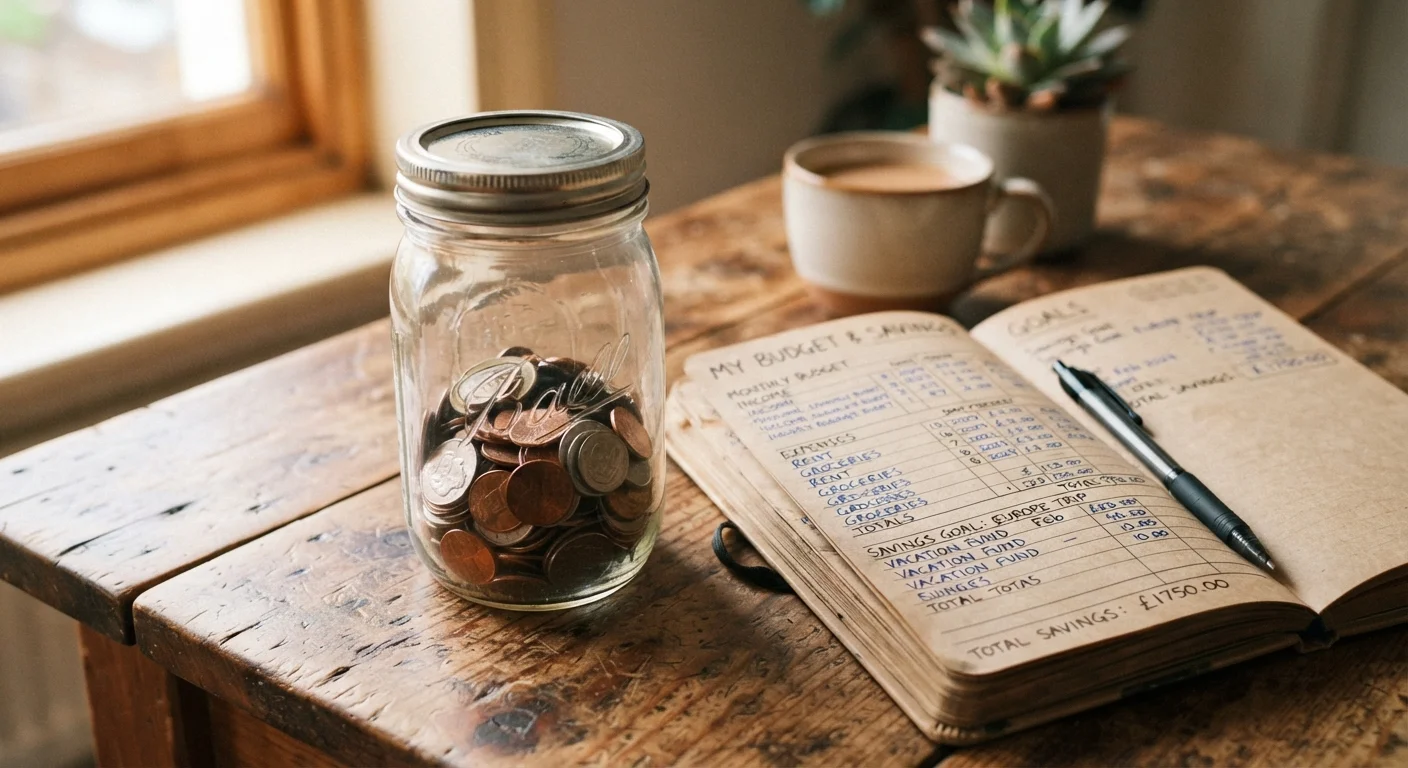
Photo: CoralScripts.com | Explore, Discover, Engage editorial
—— In This Article
Key Takeaways
- An emergency fund of any size provides meaningful protection - a small start beats waiting for perfect conditions.
- Automating transfers removes willpower from the equation and makes saving consistent.
- Auditing subscriptions and irregular expenses often reveals hidden room in tight budgets.
- A target of three to six months of essential expenses is a widely cited benchmark, but any progress counts.
- Keeping emergency savings in a separate, accessible account reduces the temptation to spend it.
Why a Tight Budget Is Not a Disqualifier
The most persistent misconception about emergency funds is that they require financial comfort as a prerequisite. They don't. In fact, the lower your financial cushion, the higher the cost of being caught without one. A single unexpected expense - a medical bill, a car breakdown, an appliance failure - forces people without reserves into expensive alternatives: high-interest credit cards, payday loans, or borrowing from family. Each of those options tends to make the underlying budget tighter, not easier.
The goal isn't to find spare money lying around. It's to deliberately restructure how existing money flows - even a small amount - so that over time, a buffer exists. Common budgeting myths often include the idea that saving is only possible once you earn more. That belief delays action indefinitely.
This Is Education, Not Personal Financial Advice
The information in this article is general in nature and intended for educational purposes only. It is not a substitute for advice from a qualified financial professional. Your financial situation is unique - consider speaking with a licensed adviser before making significant changes to your saving or spending plan.
What You'll Need Before You Start
What you will need
Monthly cash-flow summary
A record of all income and expenses for at least one full month, used to identify where money actually goes.
Separate savings account
A distinct account - ideally at a different institution - to hold emergency funds out of everyday reach.
Automatic transfer or bill-pay feature
Schedules a recurring transfer on payday so saving happens before discretionary spending begins.
Subscription audit list
A written inventory of all recurring charges used to identify candidates for cancellation or reduction.
Step-by-Step: Building Your Fund
Establish your actual cash-flow baseline
Before carving out savings, you need an honest picture of what comes in and what goes out. Pull two months of bank and credit card statements and categorise every transaction - fixed costs (rent, utilities, minimum debt payments), variable necessities (groceries, transport), and discretionary spending (dining out, streaming services, impulse purchases).
If you haven't done this before, Personal Budgeting from the Ground Up walks through the entire process in plain language.
Set a realistic first target
The conventional goal of three to six months of essential living expenses is sound long-term guidance, but it can feel paralyzing on a tight budget. Instead, set an immediate micro-target: $500 to $1,000. This smaller buffer handles the most common financial shocks - a car repair, a medical co-pay, a utility spike - without requiring months of sacrifice before you see progress.
Once you reach that milestone, recalibrate toward a fuller target based on your monthly essential expenses multiplied by your chosen number of months.
Audit recurring charges and find the gap
Tight budgets often contain more flexibility than they appear to. Go through every recurring charge - subscriptions, memberships, auto-renewals - and ask whether each one is actively used and genuinely valued. Cancelling or pausing even two or three low-use services can free up $20-$60 per month, which compounded consistently becomes a meaningful emergency fund over one to two years.
Also review variable necessities. Small, consistent changes - cooking at home more frequently, switching grocery stores for staples - rarely feel dramatic in the moment but accumulate substantially.
Open a dedicated, separate savings account
Co-mingling emergency savings with everyday checking makes it psychologically invisible and practically easy to spend. Open a separate account - ideally at a different institution - labelled specifically for emergencies. Separation creates friction, and friction reduces impulsive withdrawals.
Look for accounts with no monthly maintenance fees and no minimum balance requirements. A high-yield savings account, where available, allows your balance to grow modestly while remaining fully liquid (easily accessible without penalty).
Automate a fixed transfer on payday
Willpower is an unreliable savings mechanism. Automation is far more effective. Schedule a recurring transfer - even $25 or $50 - to move from your checking account to your emergency fund on the same day your paycheck arrives. Saving before you see the money means you adjust spending to what remains, rather than saving whatever is left over (which is often nothing).
This habit-based approach is explored in more depth in Saving Money You Actually Keep.
Direct windfalls and irregular income to the fund
Tax refunds, overtime pay, birthday cash, and freelance income represent one-time opportunities to accelerate your progress substantially. Rather than absorbing these amounts into regular spending, commit a defined percentage - even half - directly to your emergency fund at the moment of receipt, before it becomes part of your mental spending budget.
This approach doesn't require deprivation; it simply applies intentionality to money that arrived outside your normal plan.
Avoid Raiding the Fund for Non-Emergencies
Defining what counts as an emergency before you need the money matters more than most people expect. Predictable costs - car registration, annual subscriptions, holiday gifts - are not emergencies; they are irregular expenses. Mixing those categories erodes your cushion quickly. See spending categories most budgets forget for a practical way to separate these expenses from your emergency reserve.
Keeping the Fund Intact and Growing
Building the fund is only half the challenge. Protecting it is the other. Establishing a personal definition of 'emergency' - loss of income, urgent medical cost, essential repair - before a crisis occurs prevents rationalisation in the moment. Predictable irregular costs like annual car registration or seasonal expenses belong in a separate sinking fund category within your budget, not in your emergency reserve.
Name the Account Something Meaningful
Behavioural research consistently shows that labelling a savings account - 'Medical Buffer,' 'Job Loss Fund,' or even your own chosen phrase - makes people less likely to tap it impulsively. Many online banks allow custom account nicknames at no cost. Small friction can be a powerful ally.
Once your emergency fund reaches its initial target, you'll naturally face a decision about what to do with your next savings dollar. That question has its own nuances - emergency fund vs. investment account explores how to think through that next step without rushing past the foundation you've built.
This article is for general informational and educational purposes only and does not constitute personalised financial advice. Consult a qualified financial professional before making decisions based on your individual circumstances.

Money Matters Editorial Team
Money Matters Editorial Team is the collective byline for our editorial team and contributor network. Articles published under this byline or an editorial pen name are researched, written, and reviewed according to our editorial standards for clarity, consistency, and independence before publication.
View author profile