
Budgeting Myths That Keep People from Starting
Think budgeting is only for people in debt, or that it means giving up everything you enjoy? These common myths are worth examining carefully.
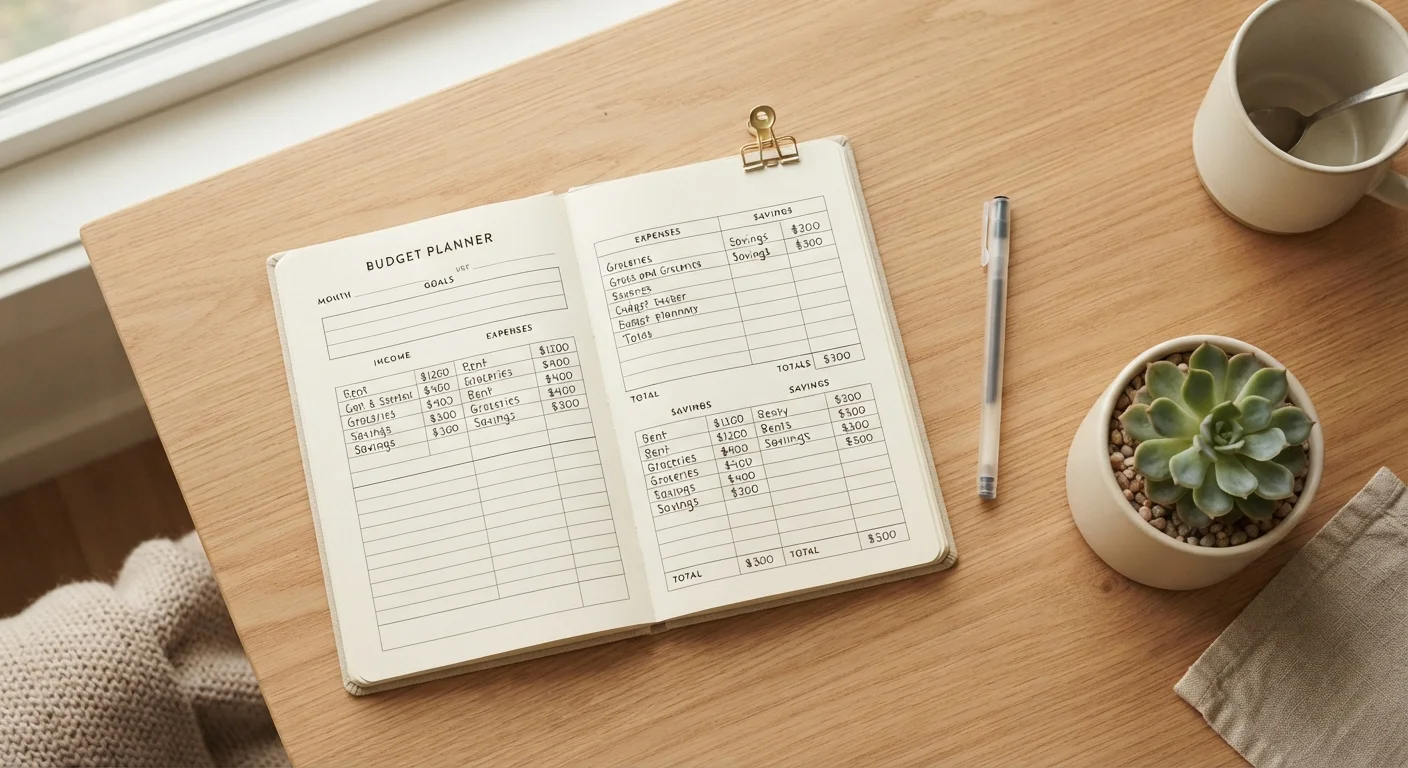
Photo: CoralScripts.com | Explore, Discover, Engage editorial
—— In This Article
Key Takeaways
- Budgeting is a tool for anyone with income, not just people managing debt.
- A budget is a spending plan - it can and should include things you enjoy.
- You don't need perfect math or expensive software to start a functional budget.
- Irregular income earners can budget effectively using conservative baseline estimates.
- Budgets are meant to evolve; imperfection doesn't signal failure.
Why Budgeting Myths Are Worth Taking Seriously
For something as practical as a spending plan, budgeting attracts a surprising number of persistent misconceptions. These myths aren't harmless - they actively prevent people from taking financial steps that could make a meaningful difference over time. When someone believes budgeting is only for people in crisis, or that it requires giving up everything they enjoy, they're less likely to start at all.
The good news is that most of these beliefs don't hold up under scrutiny. Understanding what budgeting actually involves - and what it doesn't - removes the psychological barriers that often matter more than the mechanics. See what a personal budget actually is for a fuller picture of the concept before exploring these common myths.
Myth
Budgeting is only necessary if you're in debt or struggling financially.
Fact
Budgeting is a planning tool for anyone with income - at any financial stage.
This is perhaps the most widespread misconception. In reality, a budget is simply a structured plan for directing money where you want it to go. People with comfortable incomes use budgets to build wealth, fund goals, and avoid lifestyle drift - not just to manage shortfalls. Waiting until finances feel precarious means missing years of intentional, compounding decisions.
Myth
Budgeting means you can't spend money on things you enjoy.
Fact
A budget allocates money for enjoyment - it just makes that spending deliberate.
A well-designed budget includes discretionary spending - money set aside for dining out, hobbies, entertainment, or travel. The purpose isn't restriction but awareness. When you know how much you've allocated for discretionary use, you can spend it without guilt. Understanding what counts as discretionary spending matters here; it's a category that's often misread and poorly tracked.
Myth
You need a stable, predictable income to budget effectively.
Fact
People with variable income can budget - the approach simply adjusts to fit.
Freelancers, contractors, and seasonal workers often assume budgeting doesn't apply to them because income fluctuates. However, budgeting on variable income typically involves building a conservative baseline from lower-earning months, holding a buffer for income gaps, and treating higher-earning periods as an opportunity to shore up reserves. The structure adapts; the discipline doesn't disappear. Those working toward an emergency buffer should also explore building an emergency fund inside a tight budget.
Myth
Your budget has to be perfect, or it isn't worth doing.
Fact
An imperfect budget that gets used is far more valuable than a perfect one that doesn't.
Perfectionism is one of the most common reasons people abandon budgeting efforts early. No budget survives contact with a real month completely intact - unexpected costs arise, estimates miss, and circumstances shift. The goal isn't precision; it's direction. Treating a budget as a living document that gets reviewed and adjusted is exactly how consistent budgeters operate. The habits that separate consistent budgeters from occasional ones are largely about this kind of adaptive persistence.
Myth
Budgeting requires complicated spreadsheets or expensive apps.
Fact
Effective budgets can be as simple as a notebook, a notes app, or a single spreadsheet tab.
The financial industry has a vested interest in selling tools, but the underlying act of budgeting requires nothing more than recording income, listing expenses, and comparing the two. Many people who maintain effective budgets long-term use simple, low-friction methods - not because they lack access to sophisticated tools, but because simplicity is more sustainable. If you're starting fresh, personal budgeting from the ground up covers core concepts without assuming any particular method or platform.
What Getting Started Actually Looks Like
Once the myths are cleared away, the practical question becomes: where do you begin? The answer is simpler than most people expect. A workable budget doesn't require special software, a finance degree, or hours of weekend planning. It requires knowing roughly what comes in, tracking what goes out, and making deliberate decisions about the difference.
One common stumbling block is forgetting irregular expenses - annual subscriptions, seasonal costs, or gifts that arrive predictably but don't appear on monthly statements. These gaps are why many budgets feel accurate on paper but fall short in practice. The article spending categories most budgets forget to include walks through exactly these overlooked lines.
~32%
U.S. adults who maintain a detailed household budget
According to Gallup polling, fewer than one in three American adults reports keeping a detailed monthly budget, despite widespread agreement that budgeting is important.
1 in 3
Adults who cite complexity as a barrier to budgeting
Survey research consistently finds that perceived difficulty - not lack of interest - is among the top reasons people cite for not maintaining a budget.
Budgets also don't need to be static. Revisiting and adjusting your plan as income or expenses shift is a sign of financial engagement, not failure. If you find yourself restarting more often than sustaining, it may be worth examining the behavioural patterns described in why budgets fall apart by week three. The reasons are usually predictable - and fixable.
Don't Let the Perfect Budget Be the Enemy of Any Budget
Starting with a rough, incomplete budget is almost always better than waiting until you have time to build a comprehensive one. Over-engineered budgets designed in a single session often collapse within weeks because they don't reflect real spending behaviour. Begin with your three or four largest expense categories and add detail gradually as the habit takes hold.
This article is for general informational and educational purposes only and does not constitute personalised financial advice. For guidance specific to your circumstances, consult a qualified financial professional.

Money Matters Editorial Team
Money Matters Editorial Team is the collective byline for our editorial team and contributor network. Articles published under this byline or an editorial pen name are researched, written, and reviewed according to our editorial standards for clarity, consistency, and independence before publication.
View author profile