
Breathing Techniques Across Wellness Traditions: How They Differ and What They Share
From pranayama to box breathing, breath-focused practices appear across cultures. Here's how their approaches compare and what unites them.
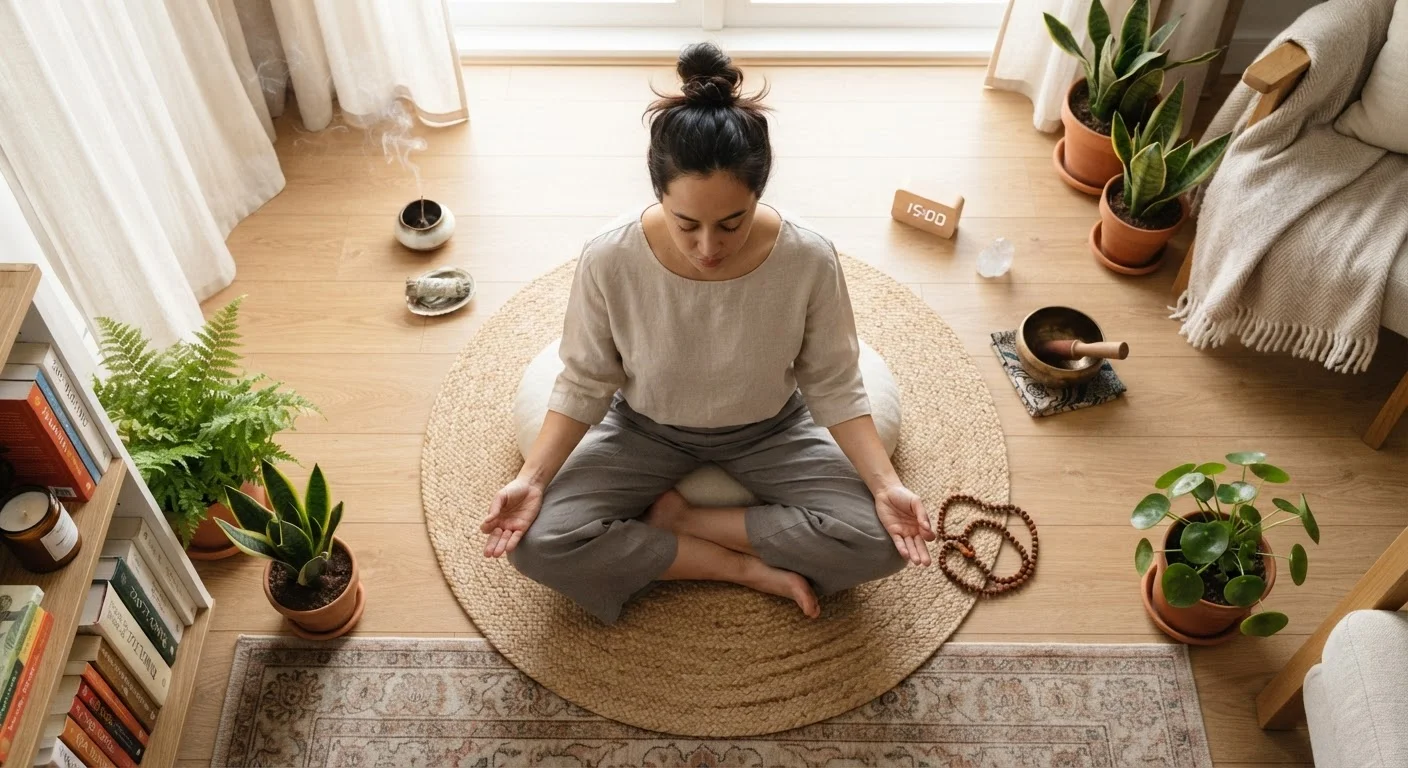
Photo: CoralScripts.com | Explore, Discover, Engage editorial
—— In This Article
Key Takeaways
- Breathing techniques from yoga, military, and clinical traditions differ in structure but share physiological mechanisms.
- Slow, controlled breathing reliably activates the parasympathetic nervous system across all major approaches.
- No single technique is universally superior - individual fit, context, and consistency matter most.
- People with respiratory conditions should consult a healthcare professional before adopting breath-control practices.
- Breathing practices complement but do not replace evidence-based medical or psychological treatment.
Why Breath Has Always Been Central to Wellness
The breath is one of the few bodily functions that operates both automatically and under voluntary control - a feature that has made it a focal point in healing traditions spanning millennia. From ancient Indian texts describing pranayama (Sanskrit for breath extension or regulation) to modern clinical protocols used in stress management programs, intentional breathing sits at the intersection of physiology, psychology, and culture.
Research in respiratory physiology has helped explain why so many traditions independently arrived at similar insights. Slow, rhythmic breathing appears to influence the autonomic nervous system by increasing parasympathetic activity - often described as the "rest and digest" state - while reducing sympathetic ("fight or flight") arousal. This mechanism likely underlies the calming effects reported across diverse breath-focused traditions. For a broader look at how wellness practices work together, see our guide to building a holistic wellness routine.
Major Traditions and Their Distinct Approaches
Despite shared outcomes, different traditions approach breath regulation in noticeably different ways - in terms of technique, pace, intent, and cultural context.
Pranayama (Yogic Tradition)
Within yoga, pranayama encompasses dozens of distinct practices. Nadi Shodhana (alternate nostril breathing) aims to balance energy channels; Kapalabhati involves forceful exhalations; Ujjayi uses a constricted throat to create audible breath. The tradition holds that breath is a vehicle for regulating prana, or life force - a framework distinct from biomedical language but one that maps onto measurable physiological responses in some research contexts.
Box Breathing (Tactical / Clinical)
Popularized in military and first-responder training, box breathing involves equal counts of inhalation, breath-hold, exhalation, and hold - typically four seconds each. Its appeal lies in simplicity and portability: no equipment, no special posture, measurable rhythm. Some clinical psychologists incorporate it into cognitive-behavioral approaches for anxiety management.
4-7-8 Breathing
This technique - inhale for four counts, hold for seven, exhale for eight - emphasizes an extended exhalation, which physiologically tends to amplify parasympathetic response. It is widely described in integrative medicine contexts, though large-scale clinical trials specifically examining this pattern remain limited.
Buteyko Method
Developed in mid-20th-century Soviet medicine, the Buteyko method focuses on reducing breathing volume and mouth breathing, based on a theory linking hyperventilation to various health symptoms. It has been studied most in the context of asthma management, with mixed but not negligible evidence. Anyone with asthma or COPD should seek professional guidance before attempting breath-reduction exercises - see our overview of asthma and COPD differences for relevant background.
| Pranayama | Box Breathing | 4-7-8 Breathing | Buteyko Method | |
|---|---|---|---|---|
| Cultural origin | Ancient Indian / yogic | Military / clinical Western | Integrative medicine, Western | Soviet clinical medicine |
| Core mechanism | Varied breath manipulation | Equal-count rhythm | Extended exhalation focus | Reduced breath volume |
| Complexity | High (many sub-techniques) | Low to moderate | Low | Moderate |
| Research depth | Moderate to substantial | Moderate | Limited | Mixed / contested |
| Primary reported benefit | Stress, focus, energy balance | Acute stress reduction | Rapid calming | Breathing pattern correction |
| Best learning context | Yoga class or instructor | Self-guided or coached | Self-guided | Trained practitioner recommended |
What the Research Says - and Where It's Still Limited
~6 breaths/min
Optimal slow breathing rate studied in research
Multiple studies have identified breathing at approximately six cycles per minute as particularly effective at maximizing heart rate variability, a marker of autonomic balance.
~60%
Adults reporting stress as a significant health concern
According to the American Psychological Association's annual Stress in America surveys, a substantial majority of US adults identify stress as meaningfully affecting their physical or mental health.
A growing body of research supports the general value of slow, controlled breathing for reducing physiological stress markers, including heart rate and cortisol levels. Studies published in journals such as Frontiers in Human Neuroscience and Psychophysiology have examined various techniques with generally encouraging findings - though many studies involve small samples and short durations, making sweeping conclusions premature.
Pranayama has the most extensive research history, partly because of its integration into yoga studies. Box breathing has been examined in high-stress occupational groups with promising results. The 4-7-8 technique, despite its popularity, has less independent clinical study. The Buteyko method has the most contested evidence base and should be approached with particular caution outside professional supervision for those with respiratory conditions.
Start With One Technique at a Time
Trying multiple breathing techniques simultaneously can make it difficult to assess what is or isn't working for you. Practitioners and researchers generally recommend selecting one approach and practicing it consistently for several weeks before experimenting with others. Even five minutes of daily practice can be enough to begin noticing effects on stress and focus.
Breathing practices also connect meaningfully to other wellness domains. Research on aerobic and strength training for mental well-being suggests that multiple modalities - movement, breath, mindfulness - contribute to psychological health through partly overlapping, partly distinct pathways.
Shared Principles and Practical Implications
Despite their differences, these traditions share several core principles:
- Exhalation length matters: Extended exhalations - whether in pranayama, 4-7-8, or box breathing - appear particularly effective at shifting autonomic tone.
- Attention is part of the practice: The act of focusing on breath overlaps substantially with mindfulness. Our article on mindfulness vs. meditation explores how breath awareness bridges both practices.
- Consistency outperforms intensity: Brief, regular practice appears more beneficial than occasional extended sessions, across most traditions.
- Posture and environment support the technique: Most traditions recommend an upright, relaxed posture and a quiet environment, at least while learning.
Breath practices may also be particularly useful in specific situational contexts - including travel. Controlled breathing is one tool long-haul travelers use to manage fatigue and anxiety, as described in our piece on wellbeing strategies for long-haul flights.
For those uncertain where to begin, a personal wellness audit can help identify which areas of well-being - including stress regulation - would benefit most from additional attention.
This article is for general informational and educational purposes only and does not constitute medical advice. Always consult a qualified healthcare professional before beginning any new breathing or wellness practice, particularly if you have a respiratory, cardiovascular, or other health condition.

Health & Wellness Editorial Team
Health & Wellness Editorial Team is the collective byline for our editorial team and contributor network. Articles published under this byline or an editorial pen name are researched, written, and reviewed according to our editorial standards for clarity, consistency, and independence before publication.
View author profile