
Autoimmune Conditions: Why the Body Turns on Itself
A clear explanation of what autoimmune diseases are, how the immune system misfires, and what distinguishes common autoimmune conditions.
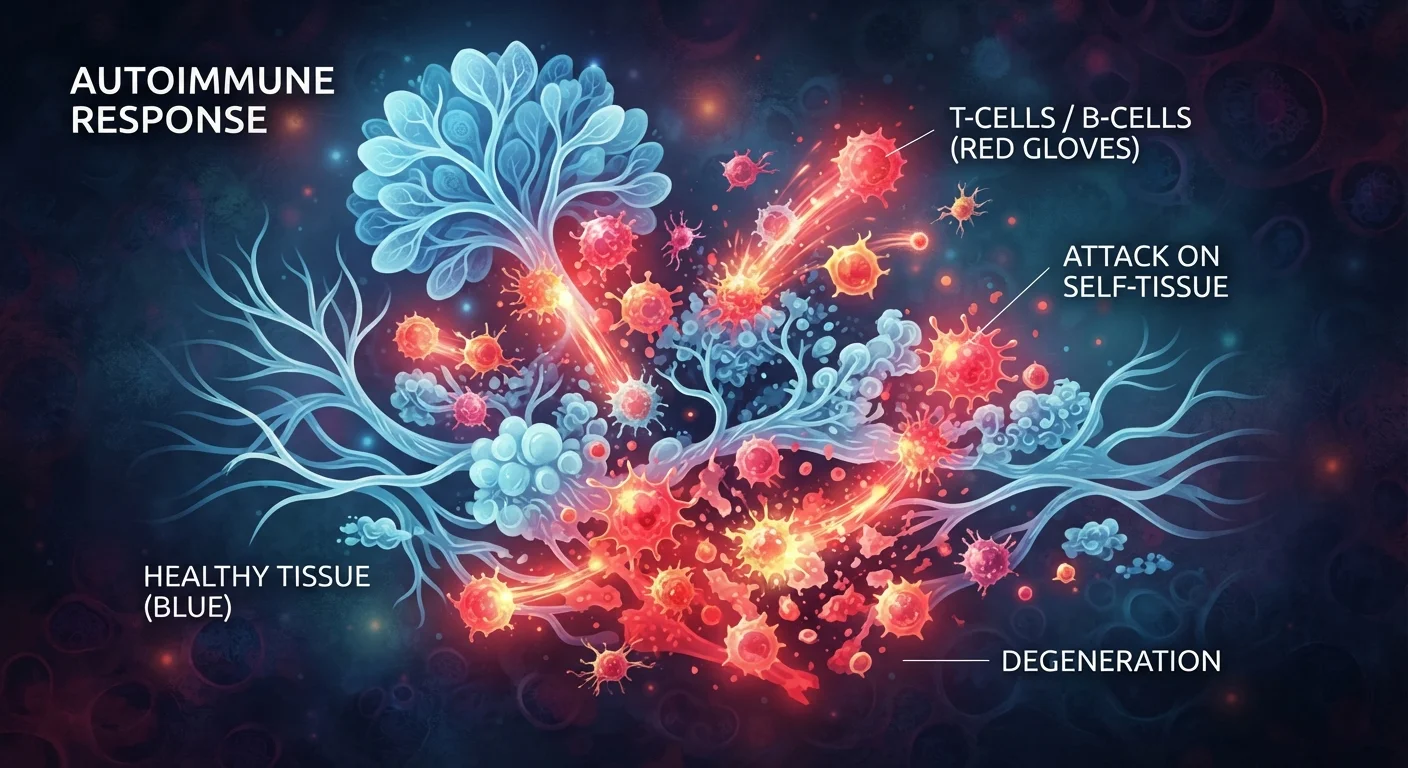
Photo: CoralScripts.com | Explore, Discover, Engage editorial
—— In This Article
Key Takeaways
- Autoimmune diseases occur when the immune system attacks the body's own healthy tissue.
- More than 80 distinct autoimmune conditions have been identified, affecting millions of Americans.
- Genetics, environment, hormones, and gut microbiome all appear to influence risk.
- Many autoimmune diseases share overlapping symptoms, making diagnosis challenging.
- Treatment focuses on managing immune activity and protecting affected tissues, not curing the underlying cause.
- Always consult a healthcare provider for diagnosis and personalized management of any autoimmune condition.
How the Immune System Is Supposed to Work
The immune system is the body's primary defense network. It identifies and neutralizes bacteria, viruses, fungi, and other foreign threats while leaving the body's own cells unharmed. Central to this function is a process called immune tolerance - the ability of immune cells to recognize and ignore the body's own proteins and tissues.
This discrimination is established early in life as immune cells develop in the thymus and bone marrow, where self-reactive cells are typically eliminated or suppressed. When that process works correctly, the immune system maintains a careful balance: aggressive enough to fight infection, restrained enough not to damage healthy tissue.
In autoimmune disease, that balance breaks down. Immune cells that should be neutralized persist and become active, treating the body's own structures as targets. The result is a sustained, damaging immune response directed inward.
Common Autoimmune Conditions and What They Target
Researchers have identified more than 80 distinct autoimmune diseases. While each has its own profile, they share the fundamental feature of immune-mediated self-injury. Some of the most prevalent include:
- Rheumatoid arthritis: Immune cells attack the lining of joints, causing inflammation, swelling, and progressive joint damage.
- Systemic lupus erythematosus (SLE): Autoantibodies can affect multiple organ systems, including the kidneys, skin, heart, and nervous system.
- Multiple sclerosis (MS): The immune system damages myelin, the protective coating on nerve fibers, disrupting signals between brain and body.
- Hashimoto's thyroiditis: The thyroid gland is targeted, gradually impairing its ability to produce hormones and leading to hypothyroidism.
- Type 1 diabetes: Beta cells in the pancreas are destroyed, eliminating the body's capacity to produce insulin.
- Inflammatory bowel disease (IBD): Conditions such as Crohn's disease and ulcerative colitis involve immune attacks on the gastrointestinal tract.
While these conditions differ in their specific targets and clinical presentations, chronic inflammation is a unifying thread. To understand how inflammation connects to broader patterns of disease, see how inflammation connects seemingly unrelated conditions.
80+
Distinct autoimmune diseases identified
The American Autoimmune Related Diseases Association (AARDA) estimates more than 80 recognized autoimmune conditions exist.
~50 million
Americans affected by autoimmune disease
AARDA estimates approximately 50 million Americans live with one or more autoimmune conditions.
80%
Autoimmune patients who are women
The American Autoimmune Related Diseases Association reports women account for roughly 80% of all autoimmune disease cases.
Risk Factors: Genetics, Environment, and More
No single factor explains why autoimmune disease develops in one person but not another. Current evidence points to an interplay of several influences:
- Genetics: Certain gene variants, particularly those related to immune regulation like HLA genes, raise susceptibility. However, genetics alone is rarely sufficient - identical twins show concordance rates well below 100% for most autoimmune diseases.
- Sex and hormones: Approximately 80% of autoimmune disease patients are women. Estrogen is believed to amplify immune responses in ways that increase vulnerability.
- Environmental triggers: Infections, chemical exposures, smoking, and ultraviolet radiation have all been linked to triggering or accelerating autoimmune activity in susceptible individuals.
- Gut microbiome: Emerging research suggests that the composition of gut bacteria influences immune regulation. Disruptions to the microbiome may contribute to loss of tolerance.
Keep a Symptom Journal Before Your Appointment
Because autoimmune symptoms often fluctuate and overlap with other conditions, tracking when symptoms occur, how long they last, and any potential triggers can provide valuable information for your healthcare provider. Noting patterns over several weeks can meaningfully support the diagnostic process.
It is worth noting that autoimmune conditions are mechanistically distinct from other chronic diseases driven by metabolic dysfunction. For example, type 2 diabetes involves insulin resistance and metabolic dysregulation rather than an immune attack on tissues - an important distinction when considering management strategies.
Approaches to Diagnosis and Management
Diagnosing an autoimmune condition is often a lengthy process. Many conditions share symptoms - fatigue, joint pain, rashes, and brain fog - and standard tests may not confirm a specific disease early on. Physicians typically use a combination of clinical evaluation, autoantibody panels, inflammatory markers, imaging, and specialist referral to arrive at a diagnosis.
Treatment does not eliminate the underlying immune dysregulation, but it can significantly reduce symptoms and slow damage. Common management strategies include:
- Immunosuppressants and immunomodulators: Medications that reduce the intensity of the immune response, limiting tissue injury.
- Biologics: Targeted therapies that block specific immune signaling molecules, such as cytokines, involved in inflammation.
- Hormone replacement: Relevant in conditions like Hashimoto's thyroiditis, where thyroid hormone output is compromised.
- Lifestyle strategies: Anti-inflammatory dietary patterns, stress management, and adequate sleep are often recommended as supportive measures alongside medical treatment.
Because autoimmune diseases are complex and highly individual, treatment plans should always be developed in consultation with a qualified healthcare provider, typically a rheumatologist, neurologist, or relevant specialist depending on the condition involved.
This article is intended for general informational and educational purposes only. It does not constitute medical advice, diagnosis, or treatment. Always consult a qualified healthcare professional regarding any health concerns or before making changes to your care.
Frequently Asked Questions

Health & Wellness Editorial Team
Health & Wellness Editorial Team is the collective byline for our editorial team and contributor network. Articles published under this byline or an editorial pen name are researched, written, and reviewed according to our editorial standards for clarity, consistency, and independence before publication.
View author profile