
Torque vs Horsepower: Why Both Numbers Matter When Reading a Spec Sheet
Torque and horsepower measure different things. Here's what each figure really tells you about how a car performs on the road.
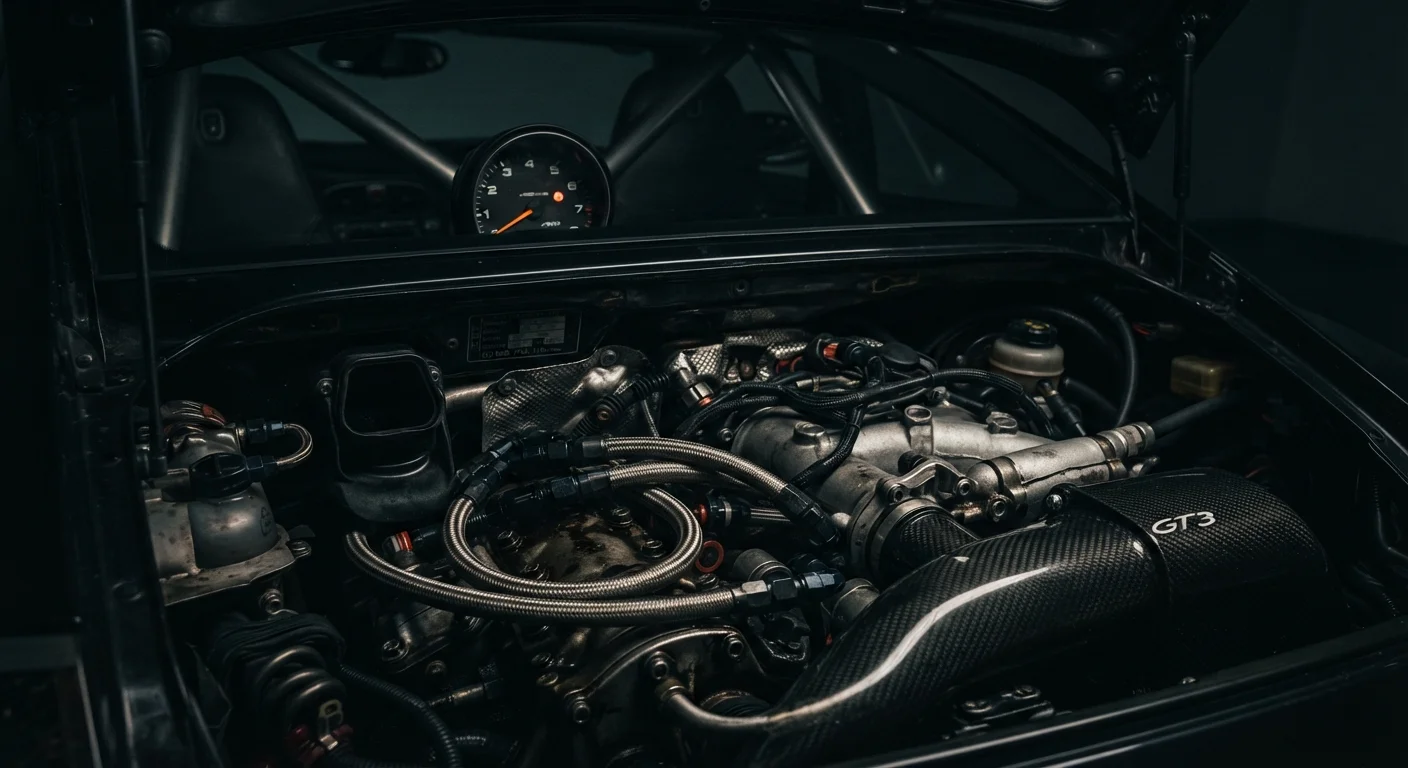
Photo: CoralScripts.com | Explore, Discover, Engage editorial
—— In This Article
Key Takeaways
- Torque is rotational force; horsepower is the rate at which that force is delivered over time.
- High torque at low RPM provides strong acceleration from a stop and better towing capability.
- High horsepower at high RPM sustains speed and determines a vehicle's top-end performance ceiling.
- The RPM at which peak torque and horsepower occur is as important as the peak values themselves.
- Diesel engines typically peak torque lower in the rev range than equivalent petrol engines.
- Neither figure alone tells the full story - the torque curve across the RPM band matters most.
The Fundamental Difference: Force vs. Rate of Work
Torque and horsepower appear on every vehicle spec sheet, often side by side, yet they measure fundamentally different things. Conflating them is one of the most common errors in interpreting automotive performance data.
Torque is a measure of rotational force - specifically, the twisting force an engine's crankshaft applies to the drivetrain. It's expressed in pound-feet (lb-ft) in the US. Think of it as the muscle behind each power stroke of the engine.
Horsepower, by contrast, is a measure of how fast that torque is being applied - it's a rate of work. The mathematical relationship between the two is fixed: horsepower equals torque multiplied by RPM, divided by 5,252. That constant is why torque and horsepower curves always cross at exactly 5,252 RPM on a dyno chart, regardless of engine type.
The practical implication is significant. An engine can produce enormous torque at low RPM while generating modest horsepower - a characteristic typical of diesel powerplants. Conversely, a high-revving petrol engine may generate relatively lower peak torque but achieve high horsepower by spinning fast enough to multiply that force into substantial work output. For a deeper look at how these traits differ between engine types, see how each powertrain works.
| Criterion | Torque | Horsepower |
|---|---|---|
| What it measures | Rotational force (lb-ft) | Rate of work over time |
| When you feel it most | Acceleration from low speeds | Sustained high-speed performance |
| Typical RPM peak | Low to mid RPM range | Mid to high RPM range |
| Key use case | Towing, hauling, off-road | Track, highway, top speed |
| Diesel engine profile | High torque, low RPM peak | Modest peak by comparison |
| Electric motor profile | Maximum from 0 RPM | Consistent across wide range |
| Mathematical relationship | Input: torque × RPM | Output: torque × RPM ÷ 5,252 |
Why the RPM Peak Matters as Much as the Number
Raw peak figures without RPM context are only half the story. A truck rated at 450 lb-ft of torque peaking at 1,600 RPM behaves very differently from a sports car producing the same figure at 5,500 RPM.
Low-RPM torque peaks mean the engine is already pulling hard before most drivers have left a parking lot - this translates to effortless around-town driving, confident towing, and strong off-line acceleration. Diesel engines and many modern turbocharged petrol engines are engineered to deliver peak torque early in the rev range, precisely to create this accessible, usable performance.
High-RPM horsepower peaks, on the other hand, reward drivers willing to work through the gear ratios and keep the engine spinning. Naturally aspirated performance engines often don't hit peak power until 6,500 RPM or higher. The payoff is exhilarating top-end thrust, but the engine requires active management to stay in its power band.
5,252 RPM
Where torque and horsepower always intersect
This crossover point is a mathematical constant derived from the formula HP = (Torque × RPM) ÷ 5,252, valid for any combustion engine.
1,600-2,000 RPM
Typical diesel peak torque range
Most light-duty diesel engines reach maximum torque well below 2,000 RPM, enabling strong towing without high engine speeds.
0 RPM
Electric motor peak torque delivery point
Battery-electric vehicles produce maximum torque instantaneously from rest, a fundamental performance advantage over combustion engines at low speeds.
When reading a spec sheet, look for the full notation: 350 lb-ft @ 1,800 RPM tells a much clearer story than 350 lb-ft alone. The same applies to horsepower. Where the engine makes its power matters as much as how much it makes.
Reading Spec Sheets Like an Engineer
Manufacturers publish peak figures because they're marketing-friendly, but experienced buyers look deeper. A few practical principles apply when evaluating any engine's performance claims.
- Torque breadth matters: An engine that holds 90% of peak torque across a wide RPM band is more flexible in daily use than one with a narrow, peaky curve.
- Power-to-weight is decisive: Horsepower only translates to speed in proportion to how much vehicle it's moving. A lighter vehicle with moderate horsepower often feels faster than a heavier one with more.
- Transmission pairing shapes delivery: A well-matched transmission keeps the engine operating in its torque-rich zone more consistently, effectively making that torque more accessible regardless of the number on the spec sheet.
- Electric motors reframe the conversation: Electric powertrains deliver peak torque from zero RPM and hold it across a much wider range, which is why even modestly rated electric vehicles often feel deceptively quick from a standstill.
SAE Certification and Advertised Figures
In the US, engine output figures are commonly measured to SAE J1349 standards, which define test conditions including temperature, pressure, and whether accessories are attached. Gross vs. net ratings can differ meaningfully, and not all manufacturers test under identical conditions. When comparing spec sheets across brands, verify whether figures are SAE-certified or manufacturer-stated estimates, as this affects the validity of direct comparisons.
Ultimately, torque and horsepower are complementary figures. Dismissing either one in favor of the other leaves an incomplete picture of how a vehicle will actually behave on the road.

Cars & Driving Editorial Team
Cars & Driving Editorial Team is the collective byline for our editorial team and contributor network. Articles published under this byline or an editorial pen name are researched, written, and reviewed according to our editorial standards for clarity, consistency, and independence before publication.
View author profile