
The Anatomy of a Migraine: Phases, Triggers, and What the Research Shows
From prodrome to postdrome, learn how migraines unfold, what commonly triggers them, and what science currently understands about their causes.
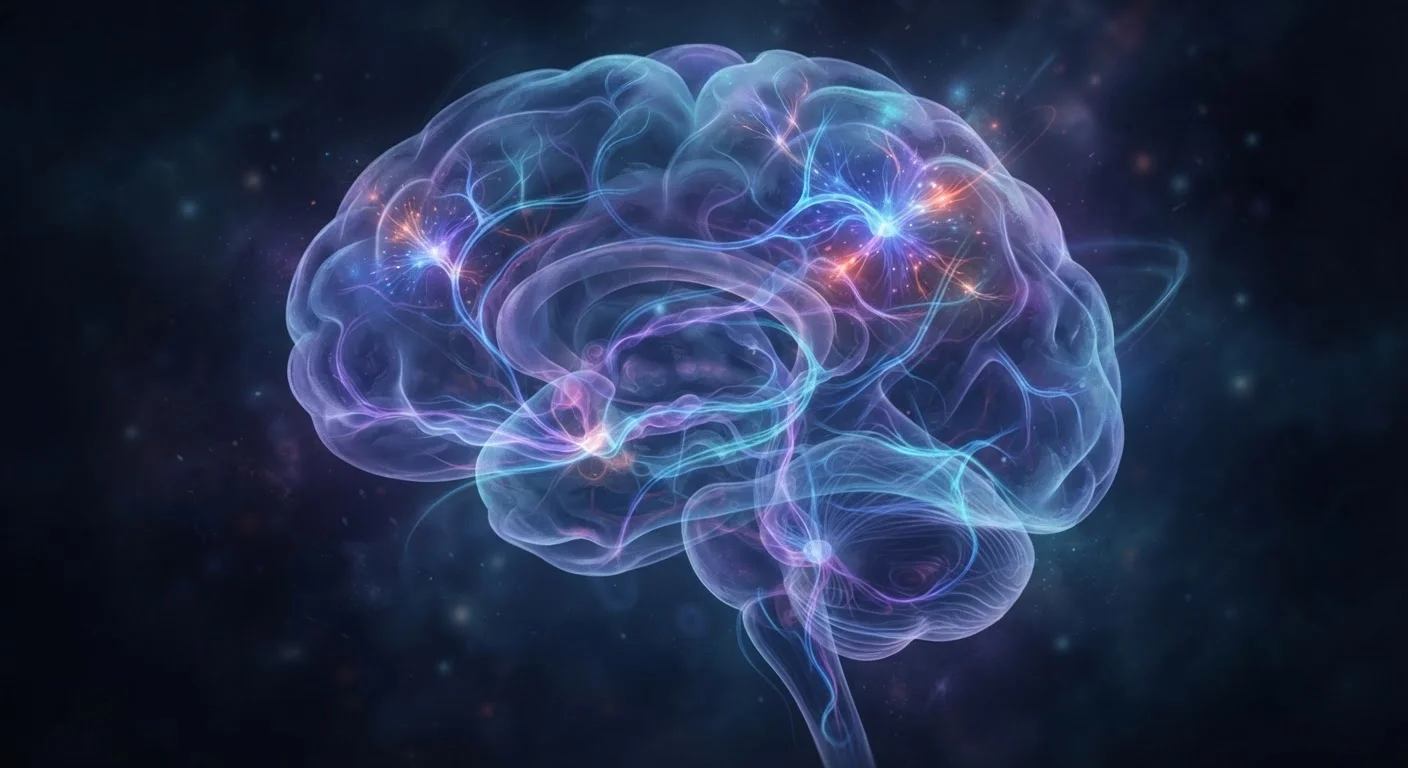
Photo: CoralScripts.com | Explore, Discover, Engage editorial
—— In This Article
Key Takeaways
- Migraines are a neurological disorder, not simply severe headaches, involving distinct biological processes.
- A migraine attack can unfold in up to four phases: prodrome, aura, headache, and postdrome.
- Triggers vary widely between individuals; identifying personal triggers requires careful tracking.
- Current research points to cortical spreading depression and trigeminal nerve activation as key mechanisms.
- Chronic migraine - 15 or more headache days per month - warrants specialized medical management.
What Is a Migraine?
A migraine is a complex neurological disorder characterized by recurrent attacks of moderate-to-severe head pain, typically on one side of the head, often accompanied by nausea, vomiting, and heightened sensitivity to light and sound. Despite being frequently dismissed as a bad headache, migraines involve distinct changes in brain chemistry, blood flow, and nerve signaling that set them apart from tension-type headaches.
The World Health Organization classifies migraine among the most disabling conditions worldwide. In the United States, roughly 12% of the population experiences migraines, with prevalence notably higher among women - a pattern researchers attribute in part to hormonal influences. Migraines can begin in childhood and often peak in frequency during the 30s and 40s before gradually declining.
~12%
Americans affected by migraine
According to the Migraine Research Foundation, approximately 39 million people in the US experience migraines.
3x
Higher prevalence in women than men
Research consistently shows migraines are about three times more common in women, largely attributed to hormonal factors.
25-30%
Migraine sufferers who experience aura
Estimates from neurological research indicate roughly one in four people with migraine experience aura symptoms.
Understanding the underlying biology of migraines helps explain why they respond to specific treatments and why a personalized management approach - developed with a healthcare provider - is generally most effective.
The Four Phases of a Migraine Attack
Not every migraine follows the same pattern, but attacks are often described in four distinct phases. Recognizing these phases can help individuals anticipate and respond to an attack more effectively.
1. Prodrome (Pre-headache Phase)
Hours or even days before head pain begins, many people notice subtle warning signals - mood shifts (irritability or unusual elation), food cravings, neck stiffness, frequent yawning, or increased thirst. These prodromal symptoms reflect changes in hypothalamic activity, a brain region involved in regulating bodily states.
2. Aura
Roughly 25-30% of people with migraine experience aura - transient neurological symptoms lasting 20-60 minutes. Visual aura is the most common form: shimmering zigzag lines, blind spots, or flickering light at the edge of the visual field. Sensory aura (tingling in the face or arm) and, less commonly, speech disturbances can also occur. Aura is understood to result from a phenomenon called cortical spreading depression - a slow wave of electrical activity followed by suppression that moves across the brain's cortex.
3. Headache Phase
This is the phase most people associate with migraine: throbbing or pulsating pain, usually unilateral, worsened by routine physical activity, and often accompanied by nausea and photophobia (light sensitivity) or phonophobia (sound sensitivity). This phase can last 4-72 hours without treatment.
If you suspect a migraine is beginning, acting during the prodrome - before head pain escalates - can improve outcomes. Discuss early-intervention strategies with your neurologist.
Clinical guidance from headache specialists suggests that acute treatments tend to be more effective when taken early in the attack cycle, before central sensitization becomes established.
Track your attacks for at least two full months before drawing conclusions about triggers. Single-incident patterns can be misleading; consistency across multiple attacks is more meaningful.
Migraine thresholds fluctuate, so a factor that coincides with one attack may not be a true trigger. Longitudinal tracking provides more reliable signal-to-noise ratios for identifying genuine contributors.
4. Postdrome (Recovery Phase)
After the headache resolves, many people experience a postdrome phase lasting up to 24 hours - sometimes called a "migraine hangover." Fatigue, difficulty concentrating, and mild head tenderness are common. This phase is less studied than others but appears to involve continued neuroinflammatory processes.
Common Migraine Triggers
A trigger is a factor that raises the likelihood of an attack in a susceptible individual. Crucially, triggers do not cause migraines on their own - they interact with an individual's underlying biological threshold. This threshold can fluctuate based on sleep, stress levels, and hormonal status, meaning the same trigger may provoke an attack on one occasion but not another.
Triggers Are Highly Individual
There is no universal list of migraine triggers that applies to every person. Popular lists can lead individuals to unnecessarily restrict foods or activities that are not actually relevant to their own attacks. Use personal tracking data - not generalized lists - to guide your conclusions, and share your findings with a healthcare provider.
- Hormonal changes: Fluctuating estrogen levels - around menstruation, ovulation, or with hormonal contraceptive use - are among the most consistent triggers reported by women.
- Sleep disruption: Both insufficient sleep and oversleeping are associated with attacks, highlighting the importance of regular sleep schedules.
- Stress: High stress and, counterintuitively, the sudden relaxation that follows stress ("weekend migraine") can both precipitate attacks.
- Dietary factors: Skipping meals, dehydration, and excessive caffeine - or caffeine withdrawal - are commonly reported. Aged cheeses, processed meats, and alcohol (particularly red wine) are frequently cited, though research on specific foods is mixed.
- Sensory stimuli: Bright or flickering lights, strong odors, and loud sounds may provoke attacks in sensitive individuals.
- Weather changes: Barometric pressure shifts are reported by many migraine sufferers, though the mechanism is not fully established.
Keeping a detailed migraine diary - recording attack timing, duration, potential triggers, sleep, and menstrual cycle - remains one of the most practical tools for identifying personal patterns.
What the Research Says About Causes
Scientific understanding of migraines has shifted significantly over recent decades. The older "vascular theory" - which held that migraines were primarily caused by blood vessel dilation - has given way to a more nuanced neurological model.
Current evidence points to two closely linked mechanisms:
- Cortical spreading depression (CSD): A slowly propagating wave of depolarization across cortical neurons, followed by prolonged suppression. CSD is thought to underlie aura and may also activate pain pathways even in migraines without aura.
- Trigeminovascular system activation: The trigeminal nerve, which carries sensation from the face and head, releases inflammatory neuropeptides - including calcitonin gene-related peptide (CGRP) - when activated. CGRP causes dilation of meningeal blood vessels and contributes to the throbbing pain and central sensitization characteristic of attacks.
Genetics play a meaningful role: migraines run in families, and researchers have identified gene variants associated with susceptibility, particularly for a rare subtype called familial hemiplegic migraine. For the common forms, susceptibility appears to be polygenic - shaped by many genes interacting with environmental factors.
“Migraine is not just a headache - it is a complex neurological disease with profound effects on quality of life that deserves the same scientific attention and clinical respect as any other serious brain disorder.”
— Peter Goadsby, Professor of Neurology and leading headache researcher
When migraines occur on 15 or more days per month for more than three months, the condition is classified as chronic migraine - a distinct clinical category that carries significant disability and requires tailored management. For context on how chronic pain broadly affects the nervous system, see our overview of chronic pain.
When to Seek Medical Attention
Anyone experiencing recurrent, disabling headaches deserves a thorough clinical evaluation. A healthcare provider can confirm the migraine diagnosis, rule out secondary causes (such as structural or vascular conditions), and discuss an appropriate management plan tailored to the individual's frequency, severity, and overall health profile.
Recognize Warning Signs Requiring Immediate Care
Seek emergency medical attention immediately for a sudden, severe headache that is the worst of your life ("thunderclap headache"), a headache accompanied by fever, stiff neck, confusion, vision changes, or weakness, or a new headache pattern that differs significantly from your usual migraines. These symptoms may indicate conditions unrelated to migraine that require urgent evaluation.
Migraine management typically involves two broad strategies: acute treatments (used during an attack to reduce pain and associated symptoms) and preventive treatments (taken regularly to reduce attack frequency and severity). The range of both acute and preventive options has expanded substantially in recent years, particularly following the development of CGRP-targeting therapies. Discussing which approach is appropriate - or whether a combination is warranted - is a conversation best held with a neurologist or headache specialist.
General supportive measures that many people find helpful include maintaining consistent sleep and meal schedules, staying well-hydrated, managing stress through evidence-based approaches such as cognitive behavioral techniques, and engaging in regular moderate-intensity physical activity. These measures complement but do not replace professional medical care.
This article is for general informational and educational purposes only and does not constitute medical advice. If you are experiencing headaches or any symptoms described here, please consult a qualified healthcare professional for an accurate diagnosis and personalized treatment guidance.

Health & Wellness Editorial Team
Health & Wellness Editorial Team is the collective byline for our editorial team and contributor network. Articles published under this byline or an editorial pen name are researched, written, and reviewed according to our editorial standards for clarity, consistency, and independence before publication.
View author profile