
Sleep Apnoea: Underdiagnosed, Underestimated, and Widely Misunderstood
Sleep apnoea affects more people than realise it. Explore how it works, why it often goes undetected, and what assessment and management typically involve.
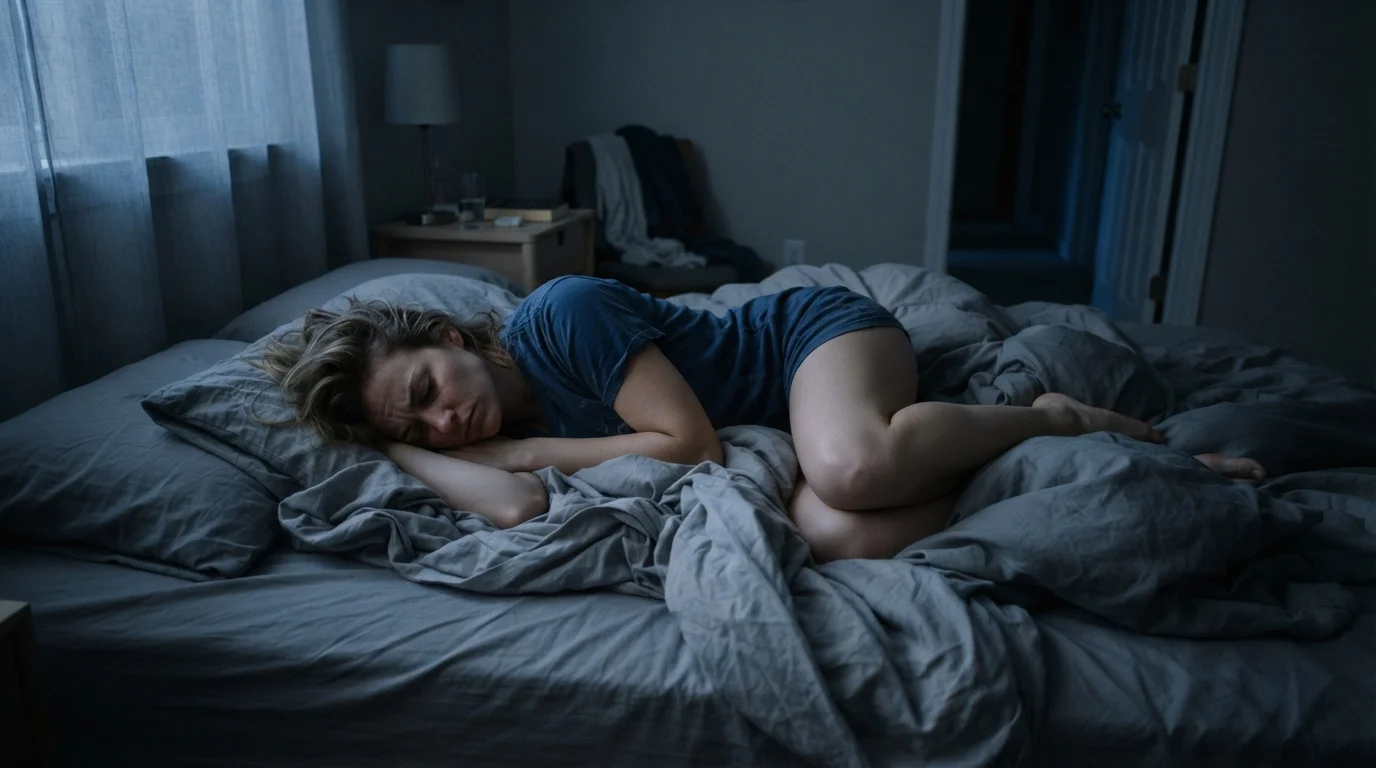
Photo: CoralScripts.com | Explore, Discover, Engage editorial
—— In This Article
Key Takeaways
- Sleep apnoea affects people of all ages, body types, and genders - not just overweight older men.
- Most cases go undiagnosed because the key events occur during sleep and symptoms are often dismissed.
- Untreated sleep apnoea is associated with serious cardiovascular, metabolic, and cognitive health risks.
- Effective management options exist, ranging from lifestyle changes to CPAP therapy and oral devices.
- A formal sleep study is required for diagnosis - self-assessment alone is insufficient.
What Sleep Apnoea Actually Is
Sleep apnoea is a condition in which breathing repeatedly stops and restarts during sleep. The most common form, obstructive sleep apnoea (OSA), occurs when throat muscles relax and partially or fully block the upper airway. A less common form, central sleep apnoea, involves the brain failing to send proper signals to breathing muscles. A third form combines both mechanisms.
These pauses - called apnoeas - can last from a few seconds to over a minute and may occur dozens or even hundreds of times per night. Each episode typically ends with a partial awakening (often unremembered) as the body struggles to restore airflow. The result is severely fragmented sleep architecture, even when total time in bed appears adequate.
Severity is measured using the Apnoea-Hypopnoea Index (AHI), which counts the average number of breathing disruptions per hour of sleep. Clinically, fewer than five events per hour is considered normal; fifteen or more per hour is categorised as moderate-to-severe OSA.
This Is General Health Information Only
This article provides educational information about sleep apnoea and is not a substitute for professional medical advice. If you suspect you or someone you know may have sleep apnoea, consult a qualified healthcare provider. Do not attempt to self-diagnose or self-treat based on this content.
Why So Many Cases Go Undetected
Estimates suggest the majority of people with clinically significant sleep apnoea remain undiagnosed. Several factors contribute to this gap.
First, the primary events happen during unconsciousness - the person cannot directly observe their own breathing. A bed partner's report of gasping or cessation of breathing is often the first alert. People who sleep alone may have no external prompt at all.
Second, daytime symptoms - fatigue, morning headaches, difficulty concentrating, irritability - are non-specific and easily attributed to other causes. Clinicians may not routinely screen for sleep apnoea when a patient presents with these complaints.
Third, persistent gender bias in recognition means women are more likely to be investigated for depression, anxiety, or thyroid disorders before sleep-disordered breathing is considered, even when sleep apnoea is the underlying cause.
~80%
Estimated proportion of OSA cases undiagnosed
Multiple population studies, including those cited by the American Academy of Sleep Medicine, consistently estimate that around 80% of moderate-to-severe OSA cases in adults remain undiagnosed.
1 in 5
Adults with at least mild sleep apnoea
Epidemiological research estimates approximately one in five adults has at least mild obstructive sleep apnoea based on AHI thresholds from sleep study data.
Diagnosis requires a formal sleep study (polysomnography conducted in a sleep laboratory, or validated home sleep testing for appropriate candidates). These tests record respiratory effort, oxygen saturation, airflow, and sleep staging. No wearable consumer device currently meets clinical diagnostic standards.
Separating Myth from Fact
Public understanding of sleep apnoea is shaped by outdated stereotypes and incomplete information. The following paired myth-and-fact blocks address the most consequential misconceptions - from who gets diagnosed to what treatment actually involves.
Myth
Sleep apnoea only affects overweight, middle-aged men.
Fact
Sleep apnoea affects people of all weights, ages, and genders, including children and individuals with a healthy BMI.
While excess weight and male sex are recognized risk factors, they are not prerequisites. Structural factors - such as jaw anatomy, nasal passage shape, or enlarged tonsils - can cause airway obstruction in people of any body type. Women are frequently underdiagnosed partly because their symptoms (insomnia, fatigue, mood changes) differ from the classic male presentation of loud snoring and gasping. Children with enlarged adenoids are another commonly overlooked group.
Myth
Loud snoring is the defining symptom, so quiet sleepers don't need to worry.
Fact
Not everyone with sleep apnoea snores loudly, and not everyone who snores has sleep apnoea.
Snoring occurs when airflow causes soft tissue vibration, but apnoea episodes - complete pauses in breathing - can occur without significant noise. Some people with sleep apnoea sleep relatively quietly yet still experience dozens of oxygen desaturation events per hour. Conversely, primary snoring (without apnoea) is common and does not necessarily indicate a breathing disorder. Symptom-based screening tools have limited accuracy; a sleep study provides the definitive picture.
Myth
Feeling tired all the time is just a normal part of modern life, not a medical symptom.
Fact
Persistent, unexplained daytime sleepiness is a recognised clinical symptom that warrants evaluation.
Chronic fatigue is so normalised culturally that many people attribute it to work stress, parenting demands, or aging. Yet excessive daytime sleepiness - particularly falling asleep during routine activities - can indicate fragmented sleep caused by repeated micro-arousals from apnoea events. Research consistently links untreated sleep apnoea to impaired concentration, slowed reaction time, and increased accident risk. Understanding how sleep quality shapes cognitive function and mood underscores why dismissing fatigue as ordinary is a clinical risk.
Myth
Sleep apnoea is uncomfortable but ultimately harmless.
Fact
Untreated sleep apnoea is associated with significantly elevated risks of hypertension, cardiovascular disease, type 2 diabetes, and stroke.
Each apnoea episode triggers a stress response: oxygen drops, the brain signals arousal, and the cardiovascular system surges. Repeated thousands of times per night over years, this cycle is associated with systemic inflammation, endothelial dysfunction, and metabolic disruption. Large epidemiological studies have found associations between moderate-to-severe obstructive sleep apnoea and increased risk of atrial fibrillation, heart failure, and insulin resistance. The condition is not a nuisance - it is a recognised contributor to serious long-term health outcomes.
Myth
CPAP therapy is the only treatment option, and most people can't tolerate it.
Fact
Multiple management pathways exist, and CPAP adherence has improved substantially with modern device technology.
Continuous Positive Airway Pressure (CPAP) remains the most studied treatment for moderate-to-severe obstructive sleep apnoea, but it is not the only option. Mandibular advancement devices (oral appliances fitted by dental specialists) are effective for milder cases. Positional therapy can help people whose apnoea is predominantly position-dependent. Surgical interventions exist for specific anatomical causes. Weight loss, when clinically appropriate, can reduce severity. Modern CPAP machines are quieter, lighter, and have adaptive pressure features that many users find more tolerable than older devices.
Taking the Next Step
If persistent fatigue, witnessed apnoeas, or related symptoms are a concern, the appropriate first step is a conversation with a primary care physician or sleep medicine specialist. They can assess risk factors, review symptoms using validated screening tools such as the STOP-Bang questionnaire, and refer for a sleep study if indicated.
Because sleep quality has broad downstream effects - on cardiovascular health, metabolic function, mental health, and cognitive performance - addressing suspected sleep apnoea is not a cosmetic or lifestyle concern. It is a clinical priority. For a deeper look at how disrupted rest affects emotional regulation and memory, see the companion piece on why sleep is a mental health issue.
This article is for general informational and educational purposes only and does not constitute medical advice. Always consult a qualified healthcare professional for assessment, diagnosis, and treatment decisions relevant to your individual circumstances.

Health & Wellness Editorial Team
Health & Wellness Editorial Team is the collective byline for our editorial team and contributor network. Articles published under this byline or an editorial pen name are researched, written, and reviewed according to our editorial standards for clarity, consistency, and independence before publication.
View author profile