
Hypertension vs. Hypotension: Understanding the Two Ends of Blood Pressure
Explore the key differences between high and low blood pressure — their causes, symptoms, and general approaches to management.
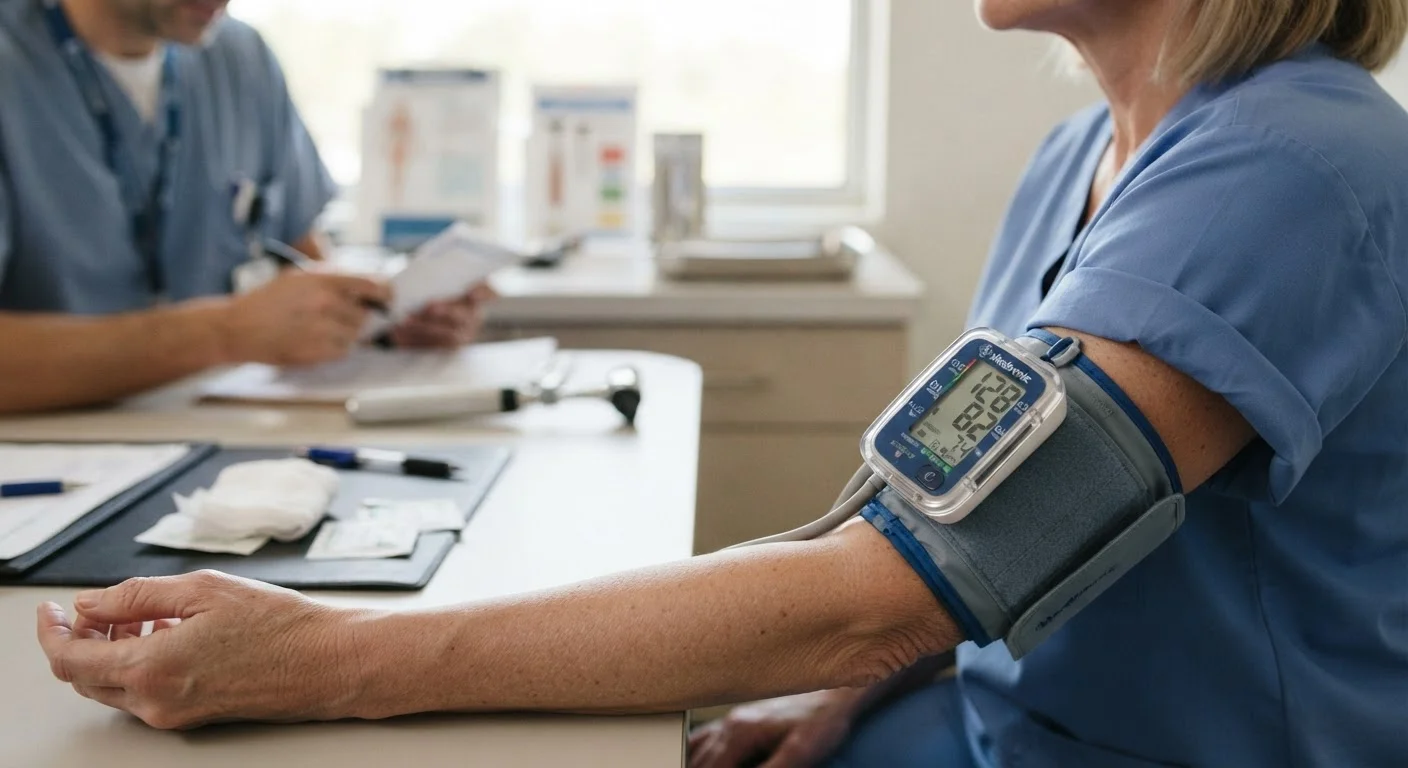
Photo: CoralScripts.com | Explore, Discover, Engage editorial
—— In This Article
Key Takeaways
- Hypertension is generally defined as sustained blood pressure at or above 130/80 mmHg, while hypotension is typically below 90/60 mmHg.
- Hypertension often produces no noticeable symptoms, making routine monitoring essential for early detection.
- Hypotension frequently causes dizziness, fainting, and fatigue, especially when standing up suddenly.
- Both conditions carry health risks and warrant evaluation by a qualified healthcare professional.
- Lifestyle factors - including diet, physical activity, and hydration - influence both high and low blood pressure.
Defining the Two Conditions
Blood pressure is measured in millimeters of mercury (mmHg) and expressed as two numbers: systolic pressure (the force when the heart beats) over diastolic pressure (the force when the heart rests between beats). Where those numbers fall determines whether blood pressure is considered normal, elevated, high, or low.
Hypertension is broadly defined as a sustained reading at or above 130/80 mmHg, according to guidelines from the American College of Cardiology. It is one of the most common chronic conditions in the United States, affecting nearly half of American adults to some degree.
Hypotension is generally characterized by readings below 90/60 mmHg. Unlike hypertension, it is not always considered a disorder on its own - some individuals naturally have lower blood pressure without adverse effects. It becomes clinically significant when it causes symptoms or results from an underlying condition.
| Criterion | Hypertension | Hypotension |
|---|---|---|
| Blood pressure threshold | ≥ 130/80 mmHg | < 90/60 mmHg |
| Common symptoms | Usually none ("silent") | Dizziness, fainting, fatigue |
| Primary risk | Heart disease, stroke, kidney damage | Falls, organ underperfusion, shock |
| Common causes | Diet, genetics, age, inactivity | Dehydration, medications, heart issues |
| Prevalence in US adults | Very high (~47%) | Less common; varies by context |
| Detected by | Routine screening (often no symptoms) | Symptoms or incidental measurement |
| General lifestyle approach | Low sodium, exercise, weight management | Hydration, salt, compression support |
Causes and Risk Factors
Hypertension is classified as either primary (essential) - with no single identifiable cause - or secondary, stemming from a specific condition such as kidney disease, hormonal disorders, or certain medications. Risk factors for primary hypertension include age, obesity, a high-sodium diet, physical inactivity, excessive alcohol consumption, chronic stress, and family history.
Hypotension has a broader range of causes. Orthostatic hypotension occurs when blood pressure drops upon standing, often due to dehydration, prolonged bed rest, or certain medications. Other causes include heart problems, endocrine disorders (such as adrenal insufficiency), nutritional deficiencies (particularly in B12 and folate), and severe infection (septic shock). Pregnancy commonly causes blood pressure to fall due to the body's circulatory adjustments.
Medications Can Affect Blood Pressure in Both Directions
Several commonly prescribed drugs - including diuretics, beta-blockers, and antidepressants - can lower blood pressure as a side effect, potentially contributing to hypotension. Conversely, some over-the-counter medications such as decongestants and NSAIDs may raise blood pressure in certain individuals. Always review your full medication list with your healthcare provider if blood pressure readings are unexpectedly high or low.
Symptoms: Silent vs. Symptomatic
One of the starkest contrasts between these two conditions is how - or whether - they make themselves known. Hypertension is frequently called the "silent killer" because it typically produces no symptoms until significant organ damage has occurred or a cardiovascular event, such as a heart attack or stroke, takes place. This underscores why routine screening is so important, even when a person feels completely well.
Hypotension, by contrast, tends to announce itself. Common symptoms include dizziness, lightheadedness, blurred vision, nausea, fatigue, and fainting (syncope). These symptoms can impair daily functioning and, in severe cases, deprive the brain and organs of adequate blood flow.
~47%
US adults with hypertension
According to the Centers for Disease Control and Prevention (CDC), nearly half of American adults have hypertension under current clinical definitions.
1 in 5
Adults experiencing orthostatic hypotension
Research published in medical literature suggests orthostatic hypotension may affect up to 20% of older adults, rising with age and medication use.
General Management Approaches
Management of either condition depends on its underlying cause, severity, and an individual's overall health profile - decisions that should always be made in consultation with a qualified healthcare provider.
For hypertension, general approaches include reducing sodium intake, increasing physical activity, maintaining a healthy weight, limiting alcohol, and managing stress. When lifestyle changes are insufficient, clinicians may consider prescription medications. Regular monitoring - at home and in a clinical setting - is a cornerstone of long-term management.
For hypotension, increasing fluid and salt intake is often an initial recommendation for appropriate individuals, along with wearing compression stockings to support circulation. Adjusting or timing medications that may contribute to low readings is another common strategy. Severe or acute hypotension - especially when related to shock - constitutes a medical emergency requiring immediate care.
This article is for general informational and educational purposes only and does not constitute medical advice. Always consult a licensed healthcare professional for guidance specific to your health situation, symptoms, or treatment decisions.

Health & Wellness Editorial Team
Health & Wellness Editorial Team is the collective byline for our editorial team and contributor network. Articles published under this byline or an editorial pen name are researched, written, and reviewed according to our editorial standards for clarity, consistency, and independence before publication.
View author profile